2026 Aluminium Profile Price List and Market Trends Explained?
The global aluminium profile industry is evolving rapidly, influenced by various market dynamics. As we approach 2026, it is crucial to examine the Aluminium Profile Price List and the factors driving price changes. According to the Aluminium Association, global demand for aluminium products is expected to rise by about 5% annually. This demand is largely due to the push for sustainable construction and lightweight materials in transportation.
Market trends indicate a significant shift in supply chains as well. Countries are adapting to new regulations and tariffs, impacting the overall availability of aluminium profiles. For instance, projections suggest that prices could fluctuate based on the energy demands of aluminium production. The International Aluminium Institute highlights that energy costs can represent up to 40% of production expenses. This has led to a growing concern about pricing stability in the market.
Additionally, end-user industries continue to advocate for more customized solutions. The shift towards tailored aluminium profiles may create disparities in pricing. This variability challenges manufacturers to manage costs effectively while meeting specific client needs. The Aluminium Profile Price List will reflect these diverse influences as suppliers adjust to the ever-changing landscape. Manufacturers must remain vigilant and adaptable to sustain their market position amidst these trends.
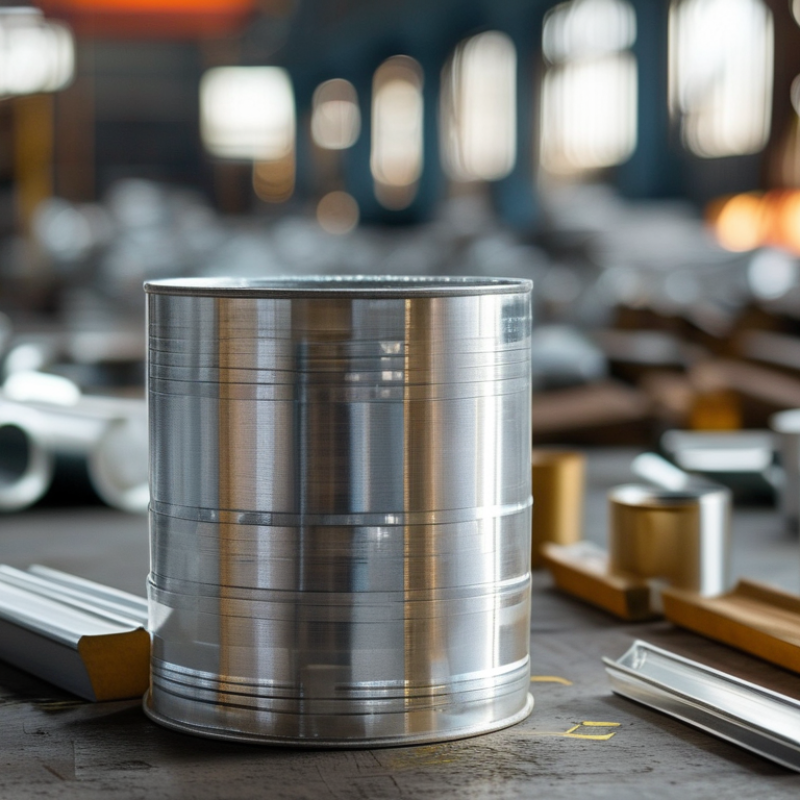
2026 Aluminium Profile Price List Overview
In 2026, the aluminium profile market is seeing intriguing trends worth exploring. A recent industry report indicates a notable increase in demand for lightweight materials, which is pushing prices upward. This rising trend is largely driven by the automotive and construction sectors. Data shows that in the automotive industry alone, the demand for aluminium profiles has surged by 15% over the past year. This reflects a broader shift towards more sustainable and efficient materials in manufacturing.
The price of aluminium profiles is influenced by global supply chain dynamics. Specifics reveal that the cost of raw materials has risen by approximately 10%, significantly impacting end-user prices. Analysts predict that prices may stabilize, but fluctuations are likely due to political and economic factors. Market volatility emphasizes the importance of reliable forecasting. Stakeholders must consider these trends when planning procurement. Limited visibility in the supply chain can lead to unexpected challenges and inflated costs.
Investors and manufacturers should keep a close eye on technological advancements, which could alter production processes. Upcoming innovations may drive down costs, but their widespread adoption remains uncertain. Overall, navigating the aluminium profile market requires agility and informed decision-making to remain competitive in this evolving landscape.
Current Factors Influencing Aluminium Prices in 2026
The price of aluminium in 2026 is shaped by various factors. Demand from industries like construction and automotive directly impacts pricing trends. Many builders now prefer aluminium for its lightweight and durable properties. This shift enhances its market position.
Global economic conditions also play a crucial role. Uncertainties in trade agreements can influence supply chains, leading to price fluctuations. Additionally, raw material costs are rising. Mining, production, and transportation expenses significantly affect the aluminium prices, causing a ripple effect throughout the industry.
Environmental concerns contribute to the changing landscape. As more companies focus on sustainability, recycled aluminium becomes increasingly valuable. However, the recycling process isn't flawless; inefficiencies can emerge. Market players must adapt to these complexities to navigate the dynamic aluminium market successfully.
Market insights suggest that while risks exist, opportunities for growth also await keen investors and stakeholders.
Comparative Analysis of Aluminium Profile Prices Across Regions
The comparative analysis of aluminium profile prices reveals significant regional disparities. In North America, prices tend to be higher due to increased manufacturing costs and stronger demand. Localised production facilities often face challenges in scaling operations to meet growing needs, impacting final prices.
Meanwhile, Europe displays a mixed landscape. Countries like Germany maintain competitive pricing, influenced by advanced technology. However, southern European nations struggle, facing higher costs linked to imports.
In Asia, the picture changes dramatically. Countries like China dominate the market with lower production costs and vast manufacturing capabilities. This often leads to more competitive pricing in that region. Yet, the rapid fluctuations in demand sometimes cause unpredictable price spikes. Some regions may prioritize quality over cost, leading to a complex interplay in the market.
Understanding these regional trends is essential for businesses when planning investments. Each market has its unique characteristics, which may require tailored approaches. Even sustainable practices, while admirable, could inadvertently elevate costs in specific regions. This underscores the importance of continuous research and adaptation. The aluminium profile market continues to evolve, prompting stakeholders to remain vigilant.
Future Market Trends for Aluminium Profiles in the Next Decade
The aluminium profile market is set for significant changes in the next decade. According to a recent industry report, global demand for aluminium profiles is expected to grow by nearly 5% annually. This demand is driven by the construction, automotive, and aerospace sectors. Lightweight materials are increasingly preferred for energy efficiency, enhancing the appeal of aluminium profiles.
In the coming years, sustainability will also play a crucial role. More companies are investing in eco-friendly production processes. Recycling of aluminium has become essential, as it uses 95% less energy compared to primary production. The industry may see a shift, where 50% of aluminium used will come from recycled sources by 2030.
However, challenges remain. Volatility in raw material prices can affect production costs. A shift towards automation may lead to concerns regarding job security in the sector. Balancing innovation with employment stability will be critical. Engaging stakeholders in meaningful discussions may lead to collaborative solutions. Market trends reveal both opportunities and areas for reflection as the industry moves forward.
Impact of Environmental Policies on Aluminium Profile Pricing
Environmental policies are reshaping the aluminium market. Stricter regulations on greenhouse gas emissions are leading to higher production costs. Manufacturers often face increased expenses due to compliance requirements. This drives up the prices of aluminium profiles across various sectors.
In addition, sustainability initiatives push companies to adopt greener practices. Recycling aluminium becomes essential. However, costs for recycled materials may not always be lower. This creates a complex pricing landscape. Customers are increasingly willing to pay for responsibly sourced materials. Yet, there is still a disconnect in understanding these costs.
Investors are watching these trends closely. Policy changes can greatly impact market stability. Uncertainties may lead to fluctuations in pricing. Companies need to adapt quickly. Engaging with the evolving regulatory environment is crucial for staying competitive. Awareness of these factors will help stakeholders navigate the aluminium profile market effectively.
2026 Aluminium Profile Price List and Market Trends Explained
| Region |
2025 Price (USD per ton) |
2026 Forecast Price (USD per ton) |
% Change |
Key Influencing Factors |
| North America |
$2,400 |
$2,520 |
5% |
Tariffs, Demand Increase |
| Europe |
$2,500 |
$2,600 |
4% |
Environmental Regulations |
| Asia-Pacific |
$2,300 |
$2,400 |
4.35% |
Supply Chain Issues |
| Latin America |
$2,350 |
$2,450 |
4.26% |
Economic Recovery |
| Middle East |
$2,200 |
$2,300 |
4.55% |
Infrastructure Investments |