



RQ-2
RQ-3
RQ-1
RQ-4

7 Tips for Aluminium Alloy Corrosion Resistance

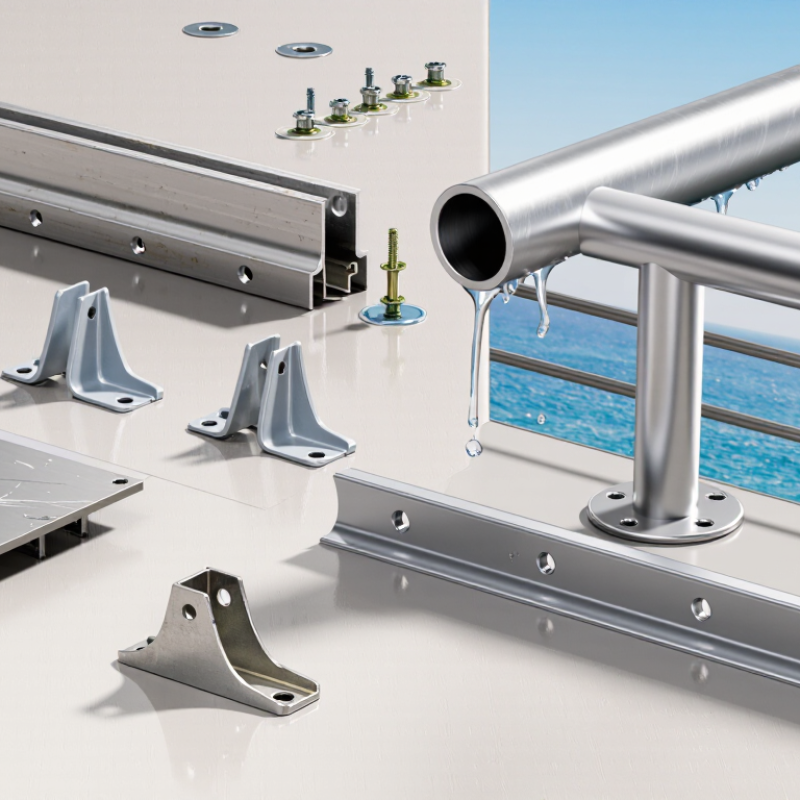
Aluminium Alloy Corrosion Resistance depends on more than the metal itself. Alloy composition, temper, surface condition, and surroundings all affect how corrosion develops. A coastal handrail faces salt spray; a workshop bracket may trap moisture beneath a washer. Small details matter. Water held in a joint, a scratched coating, or contact with a dissimilar metal can increase corrosion risk. Yet no single alloy or treatment suits every project. The right choice depends on exposure, design, maintenance, and the finish required.

These seven tips look at practical ways to improve durability, from selecting a suitable alloy to preparing surfaces, applying protective finishes, and planning regular inspections. They also cover drainage, cleaning, and electrical isolation between incompatible metals. For example, a thin barrier washer can separate a fastener from an aluminium panel, while a simple design change can help rainwater drain instead of pooling. These measures are useful, but they are not guarantees. Salt, industrial deposits, and neglected damage can still cause problems. A detail that works in a dry interior may fail outdoors. That is easy to overlook. Check product specifications and confirm that coatings and joining methods suit the actual environment. Good corrosion control is often a series of modest decisions, carefully matched to the part and its service conditions.
7 Tips for Aluminium Alloy Corrosion Resistance

Understand How Corrosion Develops in Aluminium Alloys

Aluminium alloys form a thin, protective oxide film when exposed to air. This layer often slows further attack, but it is not invulnerable. Moisture and dissolved salts can disrupt it, especially where chloride collects. Small pits may then develop beneath the surface, even when the surrounding metal looks sound. Corrosion often begins quietly.

The risk changes with alloy composition, surface finish, and exposure. A damp crevice under a washer can hold salty water longer than an open panel. Contact with a more noble metal may also encourage galvanic corrosion when moisture bridges the two surfaces. Look closely. White deposits, dark spots, or tiny cavities deserve attention, though appearance alone cannot confirm the damage’s depth. It is easy to dismiss a small stain; that judgment can be wrong.

Tips: Rinse salt from exposed parts with fresh water, then dry sheltered joints where water lingers. Keep dissimilar metals electrically separated when practical, using suitable insulating barriers. Check drainage holes and remove trapped debris. Avoid harsh cleaning methods that scratch or strip protective finishes. Record recurring spots and inspect them after wet or coastal conditions. A simple photo can reveal whether a pit is spreading over time.

Select an Alloy Suited to the Service Environment

The right aluminium alloy depends on what surrounds it, not just the strength listed on a data sheet. Near salt spray or coastal water, chloride ions can trigger pitting, even when the surface looks sound. Marine-grade 5xxx alloys are often considered for such exposure, while some 6xxx alloys suit structural parts in less aggressive settings. Check the exact grade and temper; broad alloy-family labels are not enough.

Look at the full service environment. Will the component meet standing water, cleaning chemicals, road salts, or frequent wet-and-dry cycles? A workshop railing and a submerged fitting face very different risks. Small details matter. Crevices beneath washers can trap moisture, and contact with copper or carbon steel may accelerate corrosion when an electrolyte is present. Alloy choice cannot fix every poor joint design.

Ask for corrosion data that reflects the actual exposure, and review fabrication steps with the supplier or a qualified materials engineer. Welding can change local properties, while surface treatments may offer added protection if maintained. I would not rely on a simple “corrosion-resistant” label; it leaves too much unsaid. Test a representative assembly when failure would be costly. Even then, field conditions can surprise you.

7 Tips for Aluminium Alloy Corrosion Resistance: Select an Alloy Suited to the Service Environment

Illustrative comparison for chloride-rich marine exposure

How to read: This qualitative suitability index ranges from 1 (lower) to 5 (higher); it is not a corrosion-rate measurement. 5083 and 5052 are commonly selected for marine service, while 6061 may need more careful protection and 7075 is generally less suited to prolonged chloride exposure. Actual performance depends on temper, fabrication, surface condition, galvanic contact, and service conditions.

Improve Resistance Through Design and Surface Treatment

Aluminium alloy corrosion resistance is shaped before the part reaches a coating line. Choose an alloy suited to its moisture, salt, and chemical exposure; performance varies by composition and temper.

Tip 1: Design for drainage.

A horizontal ledge can hold rainwater, while a narrow lap joint can trap damp debris. Add drain paths, round sharp corners, and avoid crevices where practical. Where aluminium touches another metal, consider an insulating separator to reduce galvanic corrosion.

Tip 2: Match the surface treatment to the environment.

Anodizing can create a durable oxide layer, while conversion coatings or paint systems may suit other parts and service conditions. Surface preparation matters: oil, dust, or uneven cleaning can weaken adhesion. Cover cut edges and drilled holes when the coating system requires it. Small details are easy to miss.

Tip 3: Check the finished part, not just the process sheet.

Look for scratches, bare edges, and coating damage around fasteners. For demanding exposure, test representative samples under relevant conditions before production. A coating can look sound and still fail at a joint; inspection plans should reflect that uncertainty.

Limit Corrosion with Careful Handling and Maintenance

Aluminium alloy naturally develops a thin oxide layer, but that protection is not a reason to handle parts carelessly. Keep clean gloves on during installation; fingerprints can trap salts and moisture against the surface. Set components on a dry, padded bench rather than concrete, where grit may scratch the finish. Small marks matter.

Avoid dragging sheets across one another. Use clean separators, and keep aluminium apart from copper or steel when moisture could bridge the metals. That contact may encourage galvanic corrosion, especially around fasteners. Choose compatible hardware and insulating washers where suitable. A rushed installation can undo careful material selection.

After exposure to rain, coastal spray, or workshop chemicals, rinse the surface with fresh water and dry it with a soft cloth. Mild detergent is usually enough for routine cleaning. Skip abrasive pads and harsh cleaners unless the alloy supplier confirms they are safe. I used to think a quick rinse was always sufficient; deposits around seams can remain hidden. Check joints, drilled holes, and underside edges regularly. Remove grime early, and investigate any white powder or pitting before it spreads. Don’t wait for a large stain.

7 Tips for Aluminium Alloy Corrosion Resistance - Limit Corrosion with Careful Handling and Maintenance

Tip Corrosion risk addressed Recommended practice Suggested timing
1. Rinse off salt and contaminants Chloride deposits can damage aluminium’s protective oxide film and contribute to pitting, especially in marine or de-icing-salt environments. Wash exposed surfaces with fresh, clean water. Use a soft cloth or sponge where needed, then rinse away loosened residue. More often in coastal, road-salt, or industrial environments; adjust to local exposure.
2. Keep surfaces clean and dry Long-lasting moisture and deposits in crevices can encourage localized corrosion. After cleaning, dry the surface and remove debris from joints, seams, and other areas where water may collect. After washing and whenever standing water or trapped debris is found.
3. Prevent water traps Stagnant water and damp crevices can create conditions for localized attack. Where design or installation choices are available, provide drainage and ventilation. Keep drain paths clear and avoid leaving absorbent materials against the metal. Check during installation and routine inspections.
4. Isolate dissimilar metals Electrical contact between aluminium and a more noble metal in the presence of an electrolyte can cause galvanic corrosion of the aluminium. Use suitable non-conductive washers, sleeves, gaskets, or coatings where compatible with the design. Keep joints dry and follow the applicable engineering specification. When designing, assembling, or repairing mixed-metal connections.
5. Choose gentle, compatible cleaners Strong acids or alkalis, abrasive powders, and some chloride-containing cleaners can attack aluminium or its finish. Use a mild, aluminium-compatible cleaner and a soft, non-abrasive tool. Test an inconspicuous area and follow the cleaner and finish manufacturers’ instructions; rinse thoroughly. Whenever cleaning is needed.
6. Handle and store parts carefully Scratches, damaged finishes, and contamination from embedded particles can reduce protection or create sites for corrosion. Use clean gloves and padded supports where practical. Keep parts dry, separated from contaminating debris, and protected from damaging contact during storage and transport. During handling, transport, and storage.
7. Inspect finishes and repair damage appropriately Chipped paint, damaged anodizing, or failed sealant can expose the substrate and allow moisture or contaminants to reach the surface. Look for coating damage, staining, pitting, and failed seals. Repair using a method compatible with the alloy, finish, and service conditions; seek technical guidance for structural or extensive damage. At regular intervals appropriate to the environment, and after impact or maintenance work.

Note: Aluminium corrosion resistance depends on the alloy, surface condition, design, and service environment. Use project specifications and qualified technical advice for application-specific maintenance or repair.

Assess Performance and Refine Protection Practices

Assess corrosion resistance under conditions that resemble actual service. A clean indoor coupon tells little about a coastal bracket exposed to salt spray, trapped moisture, and grit. Record the alloy, surface finish, exposure time, and temperature for every test. Look for pits, white corrosion products, blistered coatings, and attack around fasteners. Small pits matter. They can deepen beneath deposits while the surrounding surface still looks sound.

Use matched test panels to compare protection changes, such as improved drainage or a coating adjustment. Weighing cleaned samples can help track metal loss, but cleaning itself may remove sound material. That is easy to overlook. Salt-spray results are useful for comparison, not a direct promise of field life. Check parts after real exposure too, especially joints and sharp edges where coatings thin. If dissimilar metals touch, inspect the contact and consider an insulating washer or sleeve. Rinse schedules and coating repairs should reflect actual deposits and damage, not a fixed calendar alone. Keep notes, including failed trials; one result may be noisy, and I would not revise a process from a single sample.

Please feel free to contact us