Top Aluminium Heat Sink Bar Designs for Optimal Cooling Efficiency?
The quest for optimal cooling efficiency in various applications leads us to the essential role of the Aluminium Heat Sink Bar. Experts believe that effective heat dissipation can significantly enhance performance and longevity of electronic devices. John Smith, a renowned specialist in thermal management, emphasizes, "The right Aluminium Heat Sink Bar design can mean the difference between success and failure in cooling systems."
In today's rapidly evolving technology landscape, thermal management is critical. Devices are becoming increasingly compact, leading to higher heat densities. The Aluminium Heat Sink Bar offers a versatile solution that combines lightweight properties with impressive thermal conductivity. However, not every design guarantees peak performance. Some innovations fall short, illustrating the need for continual improvement and testing.
Exploring the best Aluminium Heat Sink Bar designs requires careful consideration of materials, geometry, and application. Each factor affects efficiency in unique ways. While some designs excel in one area, they may lack in another. This complexity challenges engineers to refine their approaches, seeking the perfect balance for optimal cooling efficiency.
Overview of Aluminium Heat Sink Bar Designs
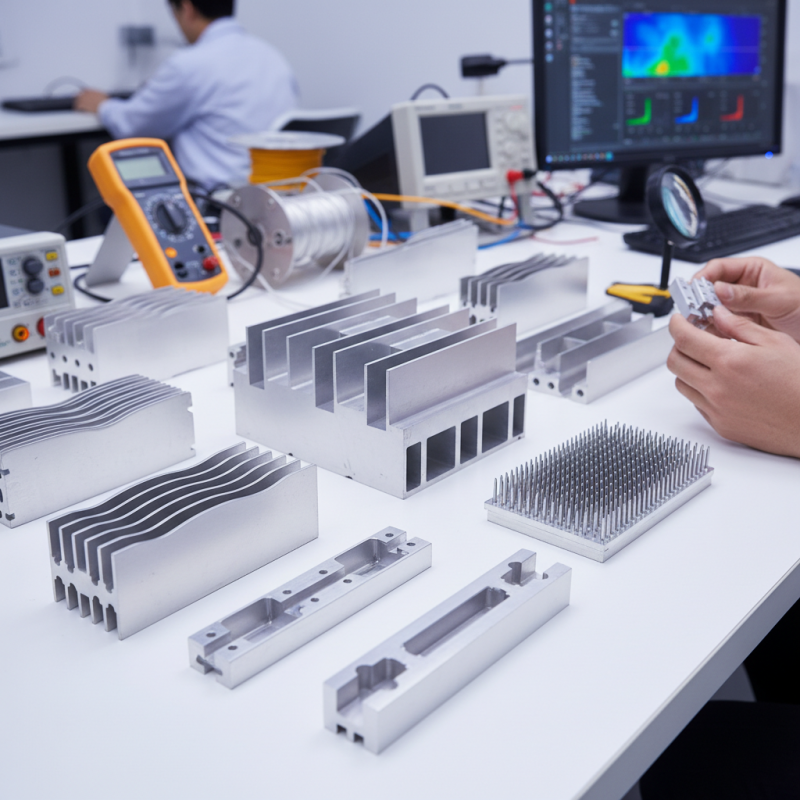
When considering aluminium heat sink bar designs, efficiency is key. These bars play a crucial role in dissipating heat in various applications. Their structure can significantly impact heat transfer performance. A well-designed heat sink bar maximizes surface area. This increases heat dissipation through convection and conduction.
Different shapes like finned, flat, or round bars perform diversely. Finned bars are popular for their increased surface area. They often provide superior cooling for compact spaces. Flat bars, however, may suit larger surfaces where heat needs to spread evenly. Round bars can be effective in constrained environments, but their performance might be limited.
Tips: Ensure proper alignment and airflow around the heat sink bar. Poor positioning can lead to hot spots. Regularly clean the surface to maintain efficiency. Dust accumulation can significantly hinder performance. Additionally, consider the thermal interface material used. It can impact heat transfer through the joint. Each detail impacts overall cooling success. So, reflect on your design choices often.
Key Factors Influencing Cooling Efficiency in Heat Sinks
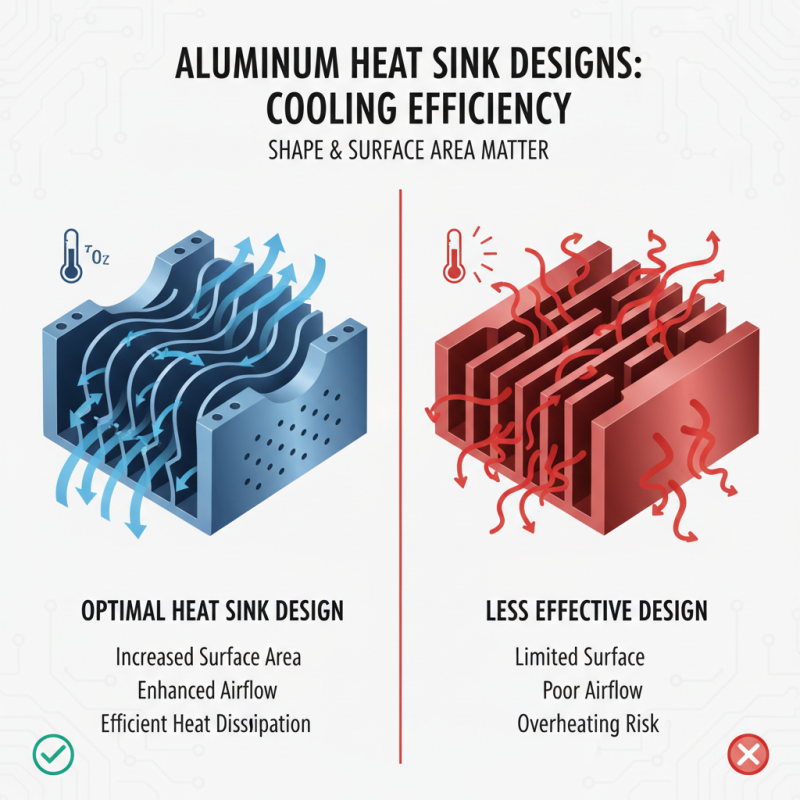
When considering aluminium heat sink designs, several key factors come into play for optimal cooling efficiency. The shape and surface area of a heat sink significantly affect heat dissipation. Fins, grooves, and other forms enhance airflow, leading to better thermal performance. A well-designed bar can drastically improve heat transfer, but not all designs function equally. Sometimes, less effective shapes can lead to overheating issues. This is a common oversight that requires careful consideration.
Material quality also influences cooling efficiency. Aluminium with higher thermal conductivity allows for better heat exchange. However, the thickness of the material can create complications, often leading to excessive weight or rigidity. Some designs prioritize aesthetics over functionality, which can hinder heat dissipation. This is a critical balance that designers must strike. Additionally, the ambient environment, including airflow and temperature, impacts performance. Relying solely on design without considering these conditions may lead to suboptimal results.
Ultimately, while advancements in heat sink design have yielded impressive results, there remain challenges. Gaps in understanding how various factors interplay can lead to inefficiencies. Continuous reflection on these elements will direct future improvements. Observing how simple tweaks in design can yield significant benefits is vital for anyone seeking to advance their cooling solutions.
Popular Designs of Aluminium Heat Sinks and Their Applications
When it comes to aluminium heat sinks, design plays a crucial role. Popular designs include
pin fin, flat plate, and extruded profiles.
Each has unique advantages tailored for specific applications. The pin fin design promotes effective airflow, making it ideal for compact spaces.
It works well in electronic devices or LED lighting. Flat plate designs, on the other hand, are best for larger heatsinks.
They provide a large surface area, suitable for high-power applications.
One notable design is the extruded profile. This method allows for various shapes, catering to different cooling needs.
It's often used in computer components and automotive electronics. The versatility of the extrusion process also means customization for specific setups.
However, it requires careful consideration of the thermal management needs.
Tips: Always consider the material thickness.
Thinner sections may save weight but can compromise durability. Testing and prototyping are essential. Conduct simulations to evaluate airflow and heat dissipation effectively.
Sometimes, a design might appear efficient but fails in real-world applications. It’s vital to revisit and refine your designs based on performance data.
Ensure your heat sink meets the required thermal performance without being overly complex.
Material Properties of Aluminium for Effective Heat Dissipation
The use of aluminum in heat sink designs offers impressive thermal conductivity. Aluminum is lightweight yet durable, making it ideal for various applications. Its high thermal conductivity allows for efficient heat dissipation, crucial for electronic devices. Thin fins in designs enhance surface area, promoting better airflow. This is vital for maintaining lower temperatures in systems that generate significant heat.
When considering the properties of aluminum, one must acknowledge its limitations. While it conducts heat well, poor thermal resistance can affect performance over time. Oxidation may also reduce effectiveness. Regular maintenance may be required to optimize heat dissipation. Anodizing aluminum can improve its durability, yet it may not always be a perfect solution. Reflecting on these aspects can lead to better materials selection in design.
Integrating these properties in design can maximize cooling efficiency. Effective designs must balance aesthetics and functionality. Calculating the ideal size and shape is essential. Testing different configurations may reveal unforeseen issues. Such explorations offer a deeper understanding of aluminum's thermodynamic advantages and disadvantages.
Future Trends in Aluminium Heat Sink Technology and Design
Aluminium heat sinks are essential for managing heat in electronic devices. As technology advances, the designs are evolving too. Future trends point towards more innovative features. For instance, we may see complex geometries that enhance airflow. This change can significantly boost cooling efficiency. It is promising yet poses new manufacturing challenges.
Another trend is the integration of advanced materials. Combining aluminium with composites could lead to lighter and more efficient heat sinks. This could mean higher performance for compact devices. However, achieving the right balance in composition requires careful consideration. Early implementations might not perform as expected. Testing and iteration will be key.
Sustainability is also reshaping design. Recyclable materials are gaining attention. Eco-friendly practices can attract conscientious consumers. However, adapting to these practices could increase production costs. Designers must navigate this conundrum for wider acceptance. Overall, the future of aluminium heat sinks is both exciting and challenging, demanding constant innovation and reflection.