What is Aluminium Profile and Its Applications in Modern Industry?
Aluminium Profile is a versatile component widely used in various industries today. Its lightweight nature and high strength make it ideal for many applications. From construction to automotive, Aluminium Profiles provide structural support and aesthetic appeal. These profiles can be easily shaped and customized.
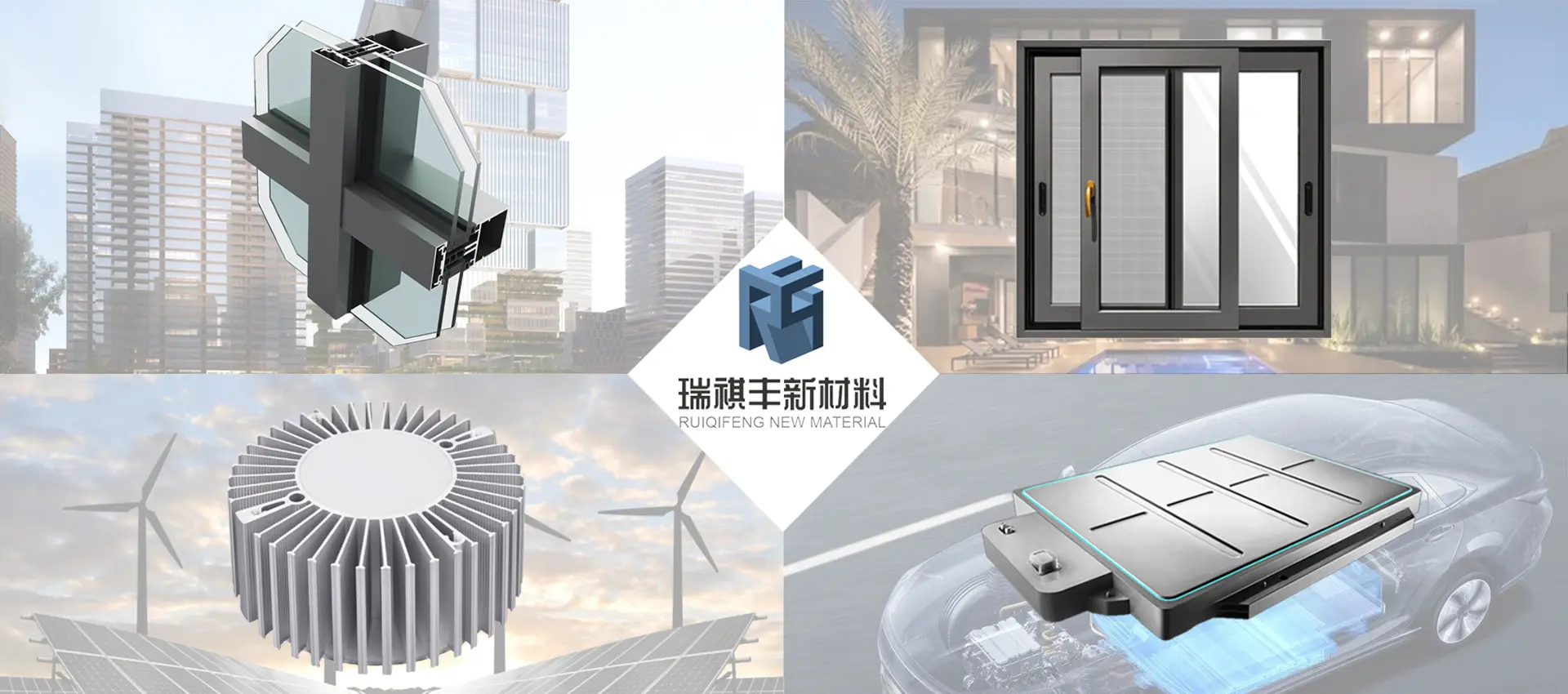
In architecture, they create sleek window frames and modern facades. In the automotive sector, they're essential for making vehicles lighter and more fuel-efficient. However, the manufacturing process can produce waste and pollution, raising concerns. Companies must find sustainable practices.
Despite their many benefits, not all applications of Aluminium Profiles fulfill their potential. Some designs may lack innovation or fail to meet industry standards. The pursuit of improved technologies and applications is ongoing. This journey shows both the promise and the challenges of using Aluminium Profiles in modern manufacturing.
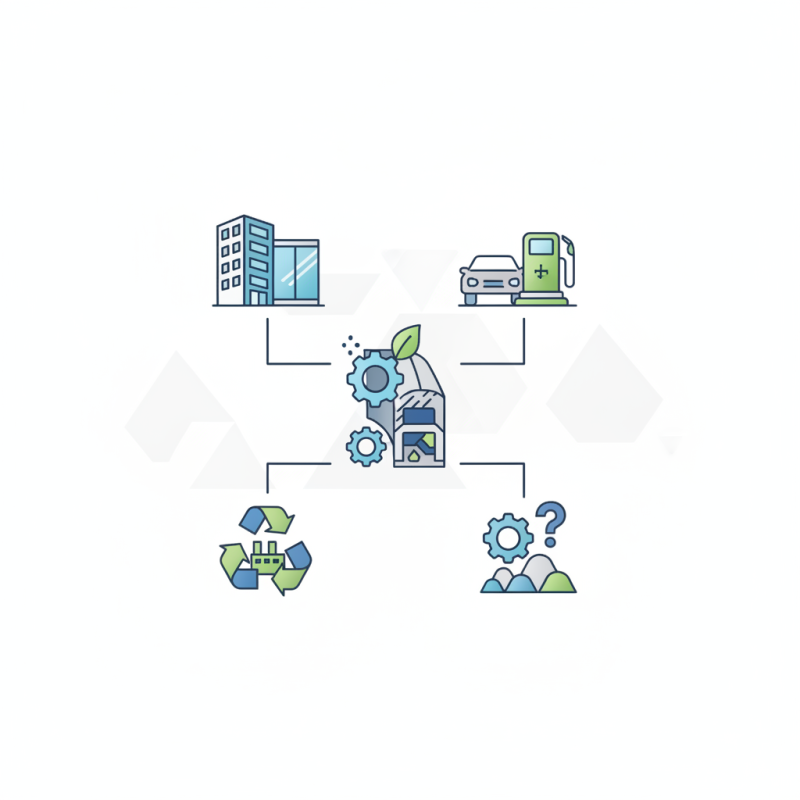
What is Aluminium Profile? A Comprehensive Definition and Overview
Aluminium profiles are versatile materials used in many industries today. They are extrusions made from aluminium, which means they can be shaped into various designs. This flexibility allows them to serve different purposes, from structural support to decorative applications. The lightweight nature of aluminium also contributes to its popularity.
Industries utilize aluminium profiles in construction, automotive, and manufacturing. In construction, they provide frameworks for doors and windows. In automotive, profiles are used in body panels and chassis components. Each application benefits from the strength and resistance to corrosion of aluminium. However, not all profiles meet specific needs. There can be issues with durability in extreme conditions. Evaluating the right profile for an application requires careful consideration.
Working with aluminium profiles can be rewarding, but there are challenges. The joining methods, like welding or fixing, can be tricky. Each project may need adjustments based on miscalculations or design changes. Therefore, understanding both the strengths and limitations of aluminium profiles is key. Finding the right balance ensures optimal results in modern industrial applications.
Key Characteristics of Aluminium Profiles and Their Performance Metrics
Aluminium profiles are lightweight and versatile materials extensively used in modern industries. They are known for excellent strength-to-weight ratio. This makes them ideal for various applications, from construction to automotive. Aluminium profiles resist corrosion, ensuring durability. However, their aesthetic appeal is often overlooked. A well-finished profile can enhance the appearance of a product.
Performance metrics are critical when selecting aluminium profiles. These metrics include tensile strength, thermal conductivity, and welding capabilities. Many industries demand profiles with specific properties to meet operational needs. For instance, a profile used in automotive applications may require higher tensile strength. Sometimes, manufacturers overlook this detail, leading to subpar performance in real-world conditions.
Tips: When working with aluminium profiles, consider the environmental factors they will face. Evaluate the temperature variations and exposure to elements. Additionally, pay attention to the surface finish, as it impacts both appearance and longevity. Not all profiles are created equal, and incorrect choices can lead to costly revisions later on. Always consult with experts when in doubt.
What is Aluminium Profile and Its Applications in Modern Industry? - Key Characteristics of Aluminium Profiles and Their Performance Metrics
| Characteristic |
Description |
Performance Metric |
| Lightweight |
Aluminium profiles are significantly lighter than steel, making them easier to handle and transport. |
Density: 2.7 g/cm³ |
| Corrosion Resistance |
The natural oxide layer on aluminium protects it from corrosion in various environments. |
Corrosion Rate: < 0.1 mm/year |
| Versatility |
Can be extruded into complex shapes for diverse applications, from construction to automotive. |
Shape Complexity Index: High |
| Thermal Conductivity |
Excellent thermal conductor, ideal for heat exchange systems. |
Thermal Conductivity: 205 W/m·K |
| Recyclability |
Aluminium can be recycled without loss of properties, contributing to sustainability. |
Recycling Rate: > 90% |
Major Industries Utilizing Aluminium Profiles: Statistics and Examples
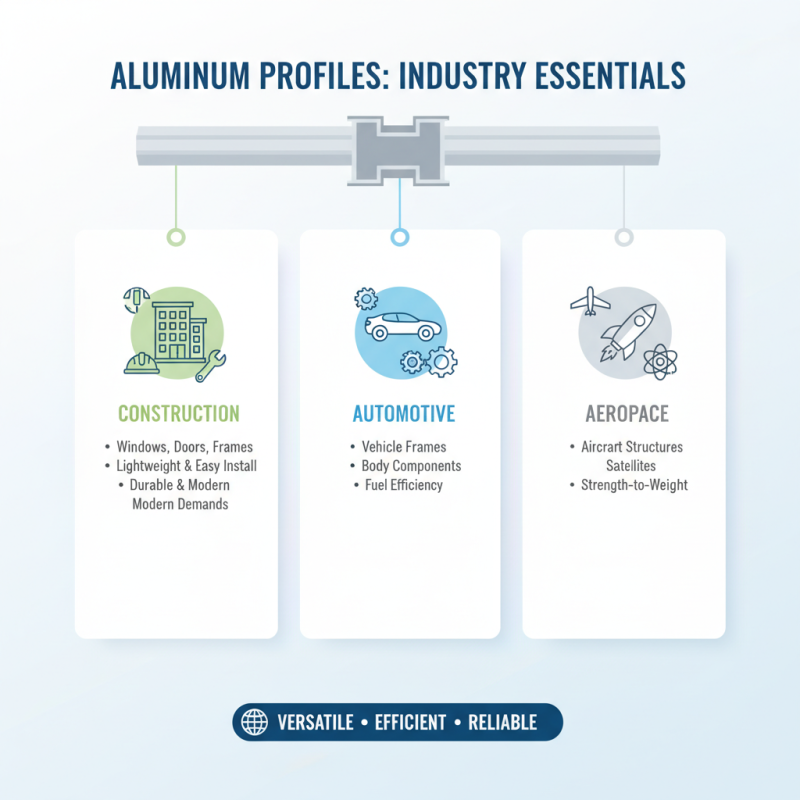
Aluminium profiles play a crucial role in various industries today. Construction, automotive, and aerospace sectors extensively use these versatile materials. In construction, aluminium profiles form windows, doors, and structural frames. Their lightweight nature allows for easy installation, enhancing safety and efficiency. The global construction industry increasingly relies on durable materials to meet modern demands.
In the automotive sector, aluminium profiles contribute to vehicle design and manufacturing. They reduce vehicle weight, improving fuel efficiency. Interestingly, electric vehicles benefit significantly from lightweight materials. This shift is vital for meeting environmental standards. However, challenges remain in recycling and environmental impact assessment, sparking ongoing debates.
The aerospace industry also utilizes aluminium profiles for aircraft components. The material’s strength-to-weight ratio is essential for flight performance. Nevertheless, production processes can generate considerable waste. Companies are rethinking methods to minimize their ecological footprint. There is ongoing research to improve recycling techniques and reduce energy consumption during production.
Innovative Applications of Aluminium Profiles in Modern Architecture
Aluminium profiles have gained popularity in modern architecture due to their versatility and lightweight nature. These profiles are extruded shapes made from aluminium. They can be designed to fit a variety of applications, from window frames to structural components. Their ability to resist corrosion makes them ideal for both indoor and outdoor use. Designers appreciate aluminium profiles for their sleek appearance and adaptability.
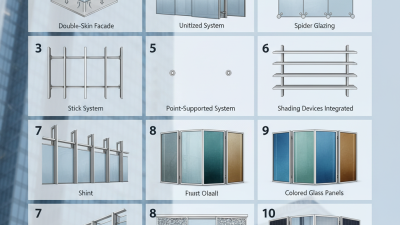
In contemporary buildings, aluminium profiles are used to create stunning façades and canopies. They allow for innovative designs that were once impossible with heavier materials. Glass can be seamlessly integrated, providing a modern aesthetic. Architects love the sleek lines and minimalistic look. However, the challenge is ensuring these profiles meet structural standards while maintaining style. Balancing form and function is crucial.
Tip: When selecting aluminium profiles, consider the thickness. Thicker profiles offer better support but may increase weight. Striking a balance is essential for both safety and style.
Another interesting use is in sustainable architecture. Aluminium can be recycled without loss of quality. This makes it an eco-friendly choice. Many modern buildings now incorporate recycled aluminium profiles. They contribute to sustainability without compromising design. However, the sourcing process should be transparent.
Tip: Always ask about the recycling practices for aluminium profiles. Understanding material origins can lead to better sustainability choices.
Future Trends in Aluminium Profiling: Market Growth and Technological Advances
The aluminium profiling market is witnessing rapid growth. According to recent industry reports, it is expected to reach $130 billion by 2027. This surge is largely due to the increasing demand for lightweight materials across various sectors. Automotive and aerospace industries are significant contributors. They require strong yet lightweight components for better fuel efficiency.
Technological advances play a crucial role in this trend. Innovative extrusion processes are enhancing product quality. Automation in manufacturing is also boosting output rates. Additive manufacturing techniques are emerging, offering new possibilities for aluminium profiles. However, challenges remain. Investment costs can be high for small manufacturers. They may struggle to keep up with larger firms that have embraced these technologies.
Sustainability is becoming important in aluminium profiling. Environmentally friendly production methods are in demand. Recycling aluminium can reduce energy consumption significantly. Yet, many firms are still hesitant to fully adopt these practices. Market competition is fierce, and not every company can afford the transition. As the industry evolves, companies must adapt or risk falling behind.