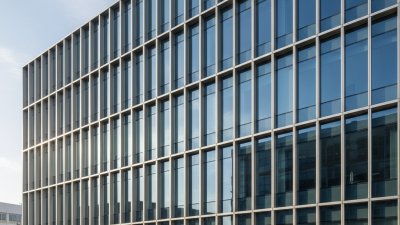
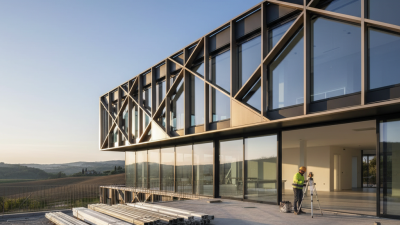
Top Aluminium Profile Cladding Options for Modern Architecture?
In the realm of modern architecture, "Aluminium Profile Cladding" has emerged as a prominent choice. Industry reports indicate that the global aluminum cladding market is estimated to reach $167 billion by 2026, highlighting its growing popularity. This trend is driven by the material's versatility, durability, and aesthetic appeal. Architects and builders increasingly seek cladding solutions that not only enhance the building's appearance but also improve energy efficiency.
Many professionals acknowledge that aluminium cladding significantly contributes to a building's insulating properties. It reflects heat, which can lower cooling costs in hot climates. However, the application of Aluminium Profile Cladding is not without challenges. Installation requires expertise, and improper fitting can lead to leaks or structural flaws. Moreover, while aluminium is recyclable, the production process still raises environmental concerns.
Despite its drawbacks, the advantages of Aluminium Profile Cladding make it a compelling option. Its lightweight nature allows for easier handling and installation. With continuous innovations in design and sustainability, its role in modern architecture is undeniable. As the industry evolves, addressing the challenges of aluminum cladding will be crucial for maximizing its potential.
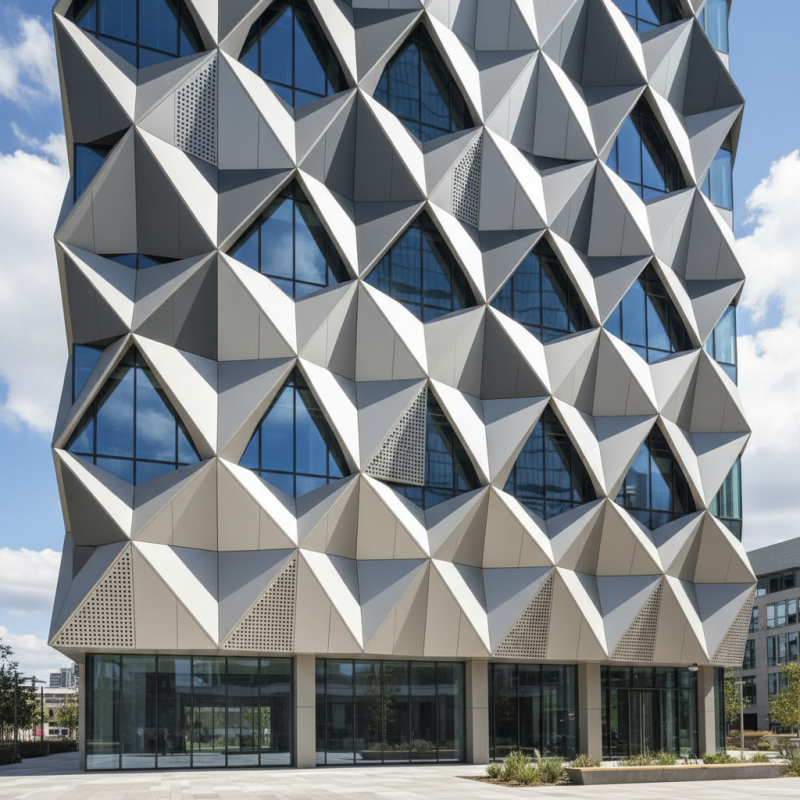
Overview of Aluminium Profile Cladding in Modern Architecture
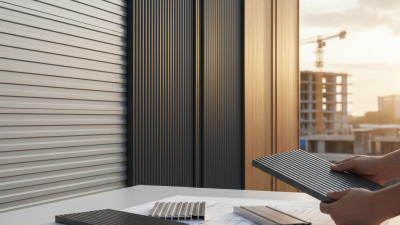
Aluminium profile cladding has become a vital element in modern architecture. Its lightweight yet sturdy nature allows for versatile design options. Architects appreciate its adaptability, as it can mimic various materials, blending seamlessly into both contemporary and traditional settings. The range of finishes available enhances aesthetic appeal, providing a modern look that appeals to many homeowners.
Choosing the right aluminium profile is essential. Consider the building's context and environmental factors. Look for cladding that offers not just beauty but also durability. Combining functionality with style can elevate your design. Pay attention to the installation process; improper fitting can lead to long-term issues.
Tips: Always consult with a professional during the selection phase. They can guide you on suitable products and installation methods. Consider your climate when choosing finishes, as some may perform better in specific conditions. Remember, not every option will suit every project, so research is key to finding the best fit for your needs.
Advantages of Using Aluminium Profile Cladding Materials
Aluminium profile cladding materials offer distinct advantages for modern architecture. Their lightweight nature makes them easy to handle and install. This can reduce labor costs and construction time. Unlike heavier materials, aluminium provides flexibility in design, allowing architects to explore innovative shapes and surfaces.
Another key benefit is durability. Aluminium is resistant to corrosion, weather, and UV light. This ensures a long lifespan, even in harsh environments. The low maintenance requirement adds to its appeal. One must, however, consider insulating properties. While aluminium itself does not insulate well, pairing it with proper materials can enhance energy efficiency.
Furthermore, aluminium can be recycled, making it an environmentally friendly choice. Its ability to adapt to different finishes improves aesthetic value. However, the sheen might not suit every architectural style. Thus, reflecting on the design context is essential. The lasting appeal of aluminium profile cladding lies in its blend of practical and visual benefits.
Top Aluminium Profile Cladding Options for Modern Architecture - Advantages of Using Aluminium Profile Cladding Materials
| Option |
Advantages |
Applications |
| Standard Aluminium Panels |
Durability, lightweight, corrosion resistance |
Commercial buildings, residential facades |
| Perfumed Aluminium Sheets |
Aesthetic appeal, sound insulation, light weight |
Modern architecture, art installations |
| Curved Aluminium Profiles |
Flexibility in design, unique architectural forms |
Unique design projects, commercial centres |
| Anodized Aluminium Cladding |
Enhanced corrosion resistance, aesthetic finish |
Facade applications, interior decor |
| Composite Aluminium Panels |
Lightweight, excellent insulation, range of colors |
Skyscrapers, shopping malls |
Popular Styles and Designs of Aluminium Cladding for Buildings
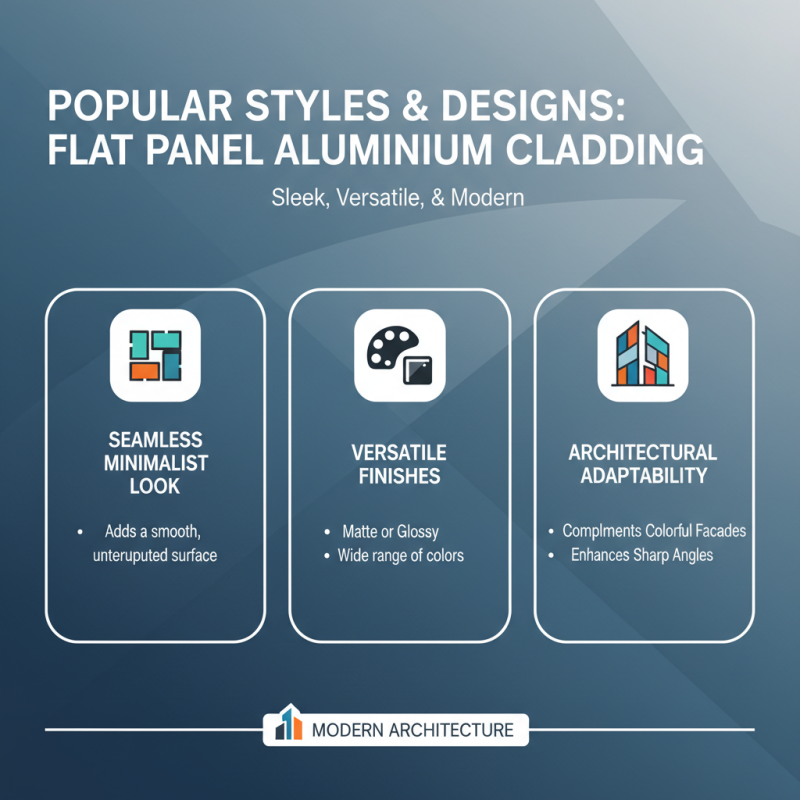
Aluminium cladding has gained significant attention in modern architecture due to its versatility and aesthetic appeal. One popular style is the flat panel design. This sleek option adds a seamless, minimalist look to buildings. Moreover, it allows for various finishes, such as matte or glossy, enhancing its adaptability. Architects appreciate how this style can complement colorful facades or sharp angles.
Another distinctive choice is the ribbed or corrugated aluminium. This design adds texture to the surface. It provides a dynamic visual element that plays with light and shadow. While it offers a modern touch, some may find it challenging to incorporate into traditional designs. The key is to balance innovation with the surrounding environment. Understanding the context is vital when selecting cladding styles.
For those looking to create unique patterns, perforated aluminium panels are an exciting option. They allow for both functionality and creativity. Architects can incorporate patterns that reflect cultural or environmental influences. However, careful planning is essential to ensure that perforations do not compromise durability. Each of these styles carries its strengths and challenges, highlighting the importance of thoughtful design in modern architecture.
Installation Techniques for Aluminium Profile Cladding Systems
When it comes to installation techniques for aluminium profile cladding systems, proper planning is essential. Ensure that all materials are on-site before starting. This reduces delays and streamlines the process. Utilizing a level to check the wall alignment can prevent issues later on. Accurate measurements help in cutting the profiles to size. This attention to detail often separates a professional job from a less polished result.
The installation approach can vary based on the building structure. Some installations utilize a rail system to secure the cladding. This method allows for flexibility and ease, accommodating for thermal expansion. Fastening methods also matter. Mechanical clips may offer more durability in harsh weather, but they require careful placement. Gaps in installation can lead to water seepage, which is a common pitfall to avoid.
Finally, ongoing maintenance after installation cannot be overlooked. Regular checks can prevent minor issues from escalating. Identifying wear early can be challenging, yet necessary. The right tools, combined with a keen eye for detail, make a significant difference. While no installation is perfect, learning from past installations can lead to improved outcomes in future projects.
Maintenance and Durability Considerations for Aluminium Cladding
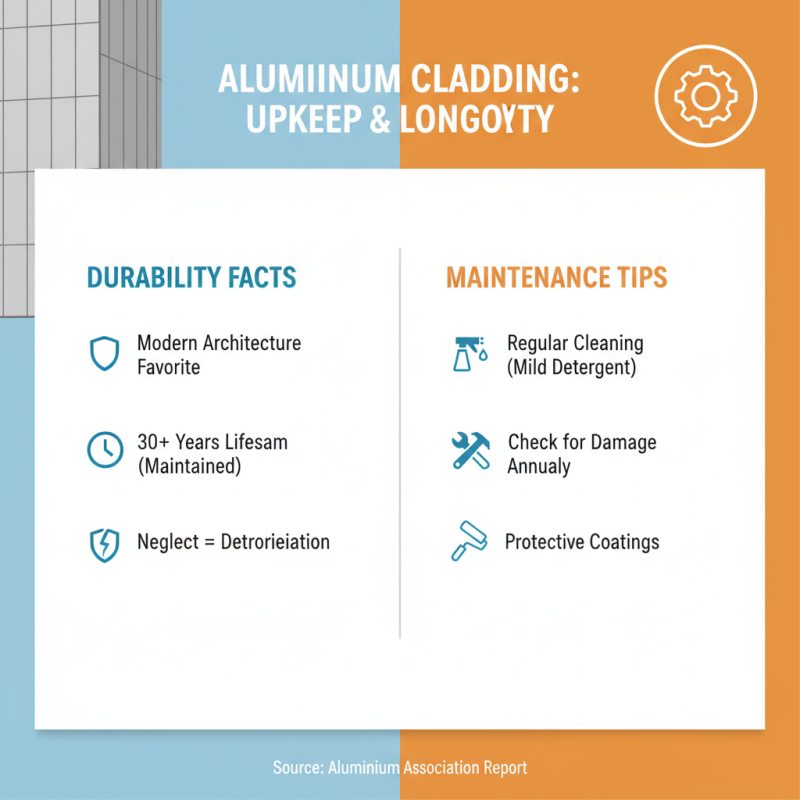
Aluminium cladding is a preferred choice in modern architecture due to its sleek appearance and versatility. However, maintenance and durability are critical factors to consider. According to a report by the Aluminium Association, properly maintained aluminium can last over 30 years. Yet, neglect can lead to significant deterioration.
Regular inspections are essential. Look for signs of corrosion or discoloration. Environmental factors such as pollution can accelerate wear. An annual cleaning regimen can mitigate these effects. It’s important to note that while aluminium is resistant to rust, it can still be vulnerable to harsh conditions.
Moreover, the initial coating plays a significant role in longevity. High-quality finishes can increase durability but may require more initial investment. A study by the Building Research Establishment found that powder-coated aluminium showcases superior weather resistance compared to other finishes. This research supports the argument for investing in quality to ensure long-term performance. It raises questions about balancing upfront costs against future maintenance needs. How often should you replace cladding to maintain aesthetic integrity? Every building owner must reflect on this.