What is Aluminum Alloy Door Factory and Its Benefits?
Aluminum Alloy Door Factory specializes in producing durable and lightweight doors. This sector has seen a significant increase in demand, reflecting a growing trend towards energy-efficient construction. According to industry reports, the global aluminum door market is expected to grow at a CAGR of 6.4% from 2021 to 2026. This underscores the value of aluminum doors in modern architecture.
Using aluminum alloys presents numerous advantages. They are resistant to corrosion and require minimal maintenance. A study by the Aluminum Association found that aluminum doors can last up to 50 years with proper care. These factors make them ideal for both residential and commercial applications. However, some concerns about eco-friendliness arise due to manufacturing processes.
Choosing an Aluminum Alloy Door Factory can significantly enhance the quality of construction projects. The expertise and technology employed in these factories ensure high standards. However, consumers must be cautious. Not all factories maintain the same level of quality. It's crucial to research and select trustworthy manufacturers for the best outcomes.
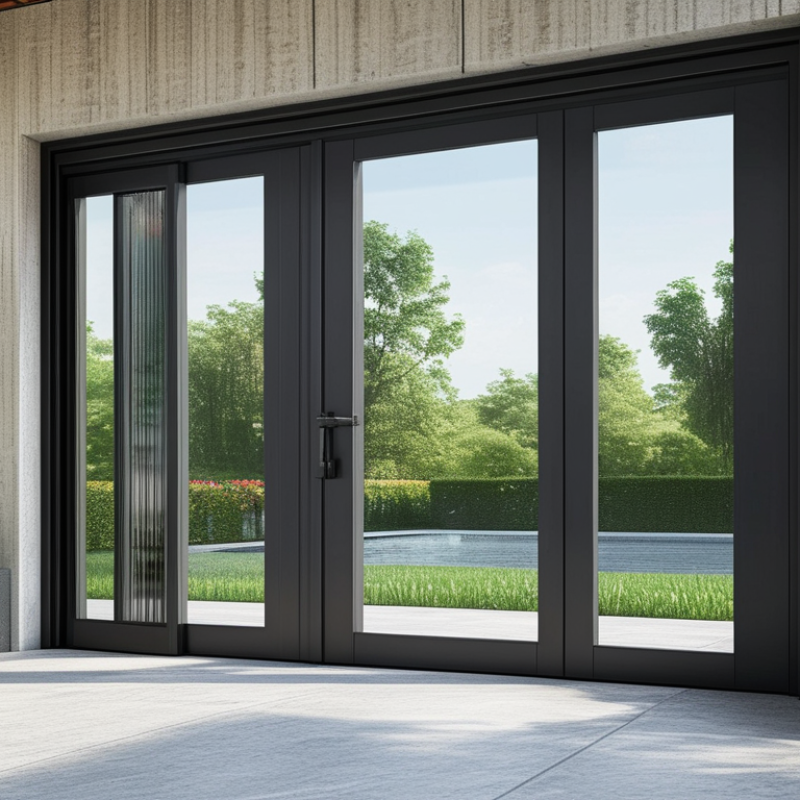
What is an Aluminum Alloy Door Factory?
Aluminum alloy door factories focus on producing durable and lightweight doors using advanced manufacturing techniques. These factories leverage the properties of aluminum, which is resistant to corrosion and provides excellent thermal insulation. According to industry reports, aluminum alloy doors can reduce energy costs by up to 30% compared to traditional materials.
In production, precision is key. Factories utilize state-of-the-art machinery for cutting and shaping aluminum. Automation ensures consistency and enhances efficiency. However, not all factories achieve optimum output, leading to variations in product quality. Some manufacturers struggle with supply chain issues, affecting delivery timelines and overall customer satisfaction.
Environmental impact is also a consideration. Aluminum is highly recyclable, which reduces waste. Yet, the energy consumption in aluminum production remains a concern for sustainability. Continuous improvements in manufacturing processes are needed to address these challenges and ensure eco-friendly practices. Ultimately, choosing an aluminum alloy door factory requires careful consideration of its capabilities and reliability.
What is Aluminum Alloy Door Factory and Its Benefits?
| Dimension |
Value |
| Material |
Aluminum Alloy |
| Standard Thickness |
1.5 mm to 3 mm |
| Applications |
Residential, Commercial, Industrial |
| Benefits |
Durability, Low Maintenance, Aesthetic Appeal |
| Finish Options |
Anodized, Powder Coated, Painted |
| Weight |
Lightweight compared to steel doors |
| Energy Efficiency |
Good insulation properties |
| Recyclability |
Highly recyclable material |
Key Components of Aluminum Alloy Door Manufacturing
Aluminum alloy door manufacturing involves several key components that contribute to the overall quality and durability of the doors. One critical element is the aluminum alloy itself. The right blend of aluminum alloys enhances strength while maintaining low weight. According to industry reports, around 80% of aluminum doors are made from specific alloys like 6063 and 6061, known for their excellent corrosion resistance and structural stability.
Another essential component of the manufacturing process is the extrusion technique. This method allows for the creation of complex shapes tailored to specific design needs. Extruded aluminum provides superior performance in structural applications, but quality control during this stage is crucial. Inconsistent extrusion can lead to weaknesses, making some doors more prone to damage over time.
Lastly, hardware integration plays a pivotal role in functionality. Features such as hinges, locks, and handles must be designed to work seamlessly with the aluminum structure. Studies show that improper hardware installation can compromise door integrity, leading to security and efficiency issues. Focusing on these elements can significantly enhance the performance and lifespan of aluminum alloy doors.
Benefits of Using Aluminum Alloy Doors for Construction
Aluminum alloy doors offer numerous advantages for construction projects. They are lightweight yet strong, making them suitable for various environments. This strength translates to durability, ensuring that doors can withstand harsh weather conditions. Builders value this longevity, as it reduces the need for frequent replacements.
The aesthetic appeal of aluminum alloy doors also plays a crucial role in construction. These doors can be customized in various colors and finishes, enhancing the overall look of a building. They can complement modern designs or traditional styles. Furthermore, their maintenance is relatively easy. A simple clean with soap and water is usually enough to keep them looking new.
Energy efficiency is another significant benefit. Aluminum alloy doors often include insulation, helping to maintain indoor temperatures. This can lead to lower energy bills over time. However, it's essential to select the right type for specific climates. While these doors are generally reliable, their performance can vary based on material quality and installation. Builders must carefully consider these details for optimal results.
Comparative Analysis: Aluminum Alloy vs. Traditional Doors
Aluminum alloy doors are gaining popularity due to their unique properties. The lightweight nature makes them easier to handle and install. Compared to traditional wooden doors, aluminum doors resist warping and swelling. This advantage is particularly important in humid climates. They provide enhanced security, as they are harder to break compared to conventional materials.
In terms of aesthetics, aluminum doors offer a sleek, modern look. They can be finished in various colors and styles, fitting different architectural designs. However, some may find aluminum lacks the traditional charm of wood. While the insulation properties are improving, they may not match the warmth of wooden doors.
Maintenance is another consideration. Aluminum doors require less upkeep than wood. Painting and sealing are less frequent. Yet, scratches can happen and may lead to corrosion if not treated. While the durability of aluminum is a strong point, it’s essential to consider personal preferences and the overall design of the home. Balancing these aspects helps in making an informed decision.
Sustainability and Environmental Impact of Aluminum Alloy Doors
Aluminum alloy doors are known for their strength and durability, making them a practical choice for many buildings. In terms of sustainability, they offer significant environmental benefits. Aluminum is 100% recyclable, which means that it can be transformed into new products without losing structural integrity. This recycling process saves energy and reduces waste, contributing to a circular economy.
One tip for enhancing the sustainability of your aluminum alloy doors is to look for options with recycled content. Doors made from recycled aluminum use less energy to produce and have a lower carbon footprint. Consider also the lifespan of the door. High-quality aluminum doors can last for decades, reducing the need for replacements and minimizing environmental impact over time.
While aluminum alloy doors are advantageous, there are also areas for reflection. The production of aluminum can be energy-intensive. It's essential to evaluate the source of the material and its environmental policies. By choosing manufacturers who prioritize sustainable practices, you can support a greener future. Make informed decisions that align with both your aesthetic and environmental values.