How to Choose the Best Aluminium Profile for Doors and Windows Installation
Choosing the right aluminium profile for doors and windows is a critical decision that can significantly impact the aesthetics, functionality, and durability of your installation. With a myriad of options available in the market, navigating through the various designs, sizes, and finishes can be overwhelming. An appropriate aluminium profile for doors and windows not only enhances the overall appearance of your home but also ensures energy efficiency and longevity in performance.
When considering aluminium profiles for doors and windows, it is essential to take into account factors such as structural integrity, thermal insulation, and ease of installation. The right choice can provide superior resistance to weather conditions, ensuring your space remains comfortable throughout the year. Moreover, selecting the appropriate profile can complement your architectural style, whether modern or traditional, adding value and appeal to your property.
In this guide, we will outline the crucial elements to consider when selecting aluminium profiles for doors and windows, equipping you with the knowledge needed to make an informed choice that aligns with your specific needs and preferences. By understanding the importance of the right profile, you can achieve a seamless integration of style and functionality in your home’s design.

Understanding the Basics of Aluminium Profiles for Doors and Windows
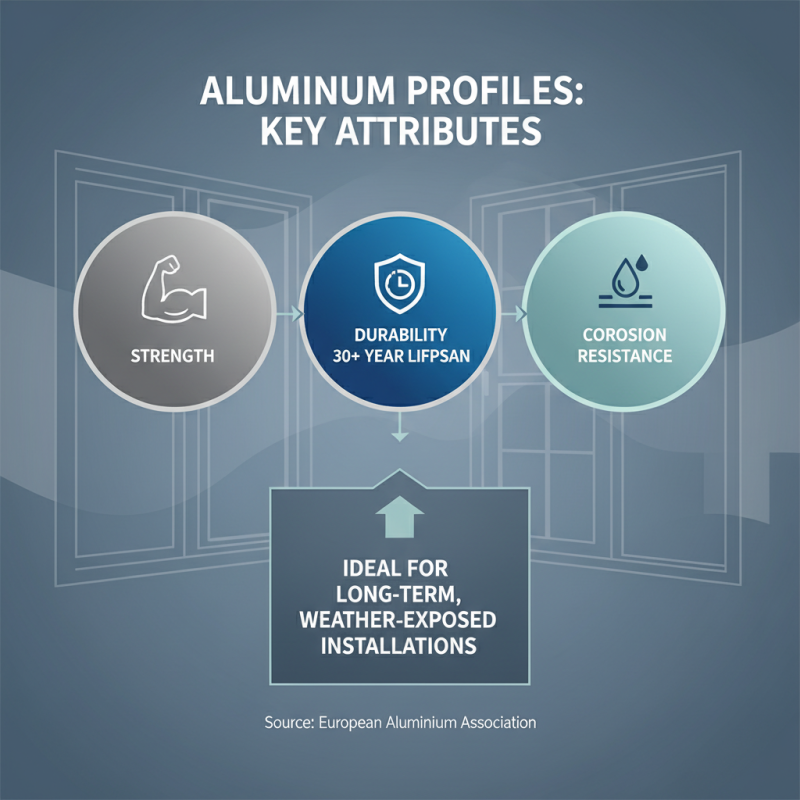
When choosing aluminium profiles for doors and windows installation, it is essential to understand the fundamental attributes that define their performance and suitability. Aluminium profiles are primarily characterized by their strength, durability, and resistance to corrosion, which are essential factors for building components exposed to varying weather conditions. According to a report by the European Aluminium Association, products made from aluminium have a lifespan exceeding 30 years, making them an appealing choice for long-term installations.
In addition to durability, the thermal performance of aluminium profiles plays a critical role in energy efficiency. The incorporation of thermal break technology can significantly reduce heat transfer, thereby enhancing the insulation properties of windows and doors. A study conducted by the Building Research Establishment highlights that well-designed thermal break systems can reduce energy costs by up to 30%, thus providing substantial savings over time. Furthermore, selecting the appropriate profile size and shape can improve structural integrity, allowing for larger spans and reduced frame visibility, which is increasingly appreciated in contemporary architectural designs.
Another crucial consideration is the aesthetic versatility that aluminium profiles offer. They can be powder-coated or anodized to achieve various finishes, accommodating different architectural styles and personal preferences. The Global Aluminium Profile Market report indicates a growing demand for aesthetically pleasing yet functional profiles, driven by consumer trends favoring modern design solutions. As such, understanding the different types of aluminium profiles and their respective benefits is vital for making informed decisions in door and window installations.
Key Factors to Consider When Selecting Aluminium Profiles
When selecting aluminium profiles for doors and windows installation, there are several key factors to consider that can significantly impact both functionality and aesthetics. Firstly, the thickness and strength of the profile play crucial roles in determining durability and performance. According to industry reports, profiles with a thickness of at least 1.4 mm are generally recommended to ensure structural integrity, particularly in regions prone to severe weather conditions. Additionally, the alloy composition is vital; profiles made from higher-grade aluminium (such as 6063) exhibit better resistance to corrosion and deformation.
Another factor to consider is thermal efficiency, which directly affects energy consumption in residential and commercial buildings. Profiles that incorporate thermal breaks can greatly enhance insulation, reducing heat transfer and energy costs. Data from the Aluminium Federation indicates that using well-insulated aluminium frames can improve energy efficiency ratings by up to 30%, contributing to both comfort and sustainability.
Tips: When choosing aluminium profiles, always check for compliance with local building codes and regulations to ensure safety and performance. Additionally, consider investing in profiles with low-maintenance finishes, which can save time and resources in the long run. Finally, choosing profiles with a suitable design aesthetic will help harmonize your installation with the overall architecture of the building.
How to Choose the Best Aluminium Profile for Doors and Windows Installation - Key Factors to Consider When Selecting Aluminium Profiles
| Key Factor |
Description |
Importance Level |
| Material Quality |
Look for high-grade aluminium to ensure durability and corrosion resistance. |
High |
| Profile Design |
Select designs that complement your architectural style and meet aesthetic preferences. |
Medium |
| Thermal Efficiency |
Profiles with better thermal insulation can save on energy costs. |
High |
| Finishing Options |
Choose from anodized, powder-coated, or mill finish based on maintenance preferences. |
Medium |
| Cost |
Balance cost with quality; cheaper materials may lead to higher long-term costs. |
High |
| Manufacturer Reputation |
Research and select manufacturers known for quality and customer service. |
Medium |
| Sustainability |
Consider eco-friendly production practices and recyclable materials. |
Low |
Types of Aluminium Profiles Suitable for Doors and Windows
When selecting the best aluminium profiles for doors and windows installation, it’s essential to understand the various types available and their unique benefits. One common option is the thermal break aluminium profile. This type features an insulated barrier that reduces heat transfer, making it ideal for energy-efficient applications. It helps maintain indoor temperatures, significantly lowering heating and cooling costs.
Another type to consider is the casement aluminium profile, which is known for its versatility and modern aesthetics. These profiles can accommodate large panes of glass, providing excellent visibility and natural light. They are also available in various finishes, allowing homeowners to select a style that complements their overall design.
Tips: When choosing aluminium profiles, always consider the specific climate of your area. In regions with extreme temperatures, opt for profiles designed for thermal efficiency. Additionally, ensure that the profiles meet local building regulations and standards for safety and durability. Lastly, consult with professionals for guidance on installation, as proper fitting is crucial for maximizing the performance of aluminium profiles.
Comparing Features and Benefits of Different Aluminium Profiles
When choosing the best aluminum profile for doors and windows installation, it's essential to compare the features and benefits of various profiles. One critical aspect is thermal insulation. Reports indicate that aluminum frames with thermal breaks can significantly reduce heat transfer, enhancing energy efficiency. According to a study by the Aluminum Association, well-insulated aluminum profiles can achieve thermal transmittance values as low as 1.5 W/m²K, which is crucial for maintaining comfortable indoor temperatures and reducing heating costs.
Another vital consideration is structural integrity and durability. High-quality aluminum profiles are typically designed to withstand various weather conditions, including high winds and heavy rain. A report from the International Aluminum Institute shows that aluminum's resistance to corrosion ensures longevity, with a potential lifespan of over 50 years when properly maintained. Additionally, profiles with reinforced structures provide added strength, making them suitable for larger windows and doors without compromising safety or aesthetics.
Finally, the aesthetic versatility of aluminum profiles offers numerous design options. They can be anodized, powder-coated, or finished with various colors to match architectural needs. According to recent market research, the demand for customizable aluminum profiles has surged, reflecting a shift towards personalized home design. Homeowners increasingly prefer profiles that not only provide functionality but also enhance the visual appeal of their properties, making the choice of aluminum profiles not just a technical decision but also an aesthetic one.
Installation Tips for Aluminium Profiles in Door and Window Applications
When it comes to installing aluminium profiles for doors and windows, proper techniques and attention to detail are essential for achieving a durable and aesthetically pleasing finish. Begin by ensuring that the installation area is clean and free from debris. This prepares a strong base for the profiles, allowing for precise alignment and secure attachment. Use a level to check that the frames are plumb and square, as any misalignment can lead to operational issues and reduce the overall longevity of the installation.
Next, it's crucial to select the right fasteners and seals to complement the aluminium profiles. Choose screws that are suitable for the profile thickness and the material of the substrate, which will help in preventing corrosion. Additionally, applying a suitable sealant will enhance waterproofing and insulation. As you work through the installation process, regularly check for alignment and gaps to ensure that the functionality and aesthetics of the doors and windows are not compromised. Taking these steps will result in a smoother installation and a finished product that performs well for years to come.
Aluminium Profile Usage in Door and Window Applications