Best Aluminium Surface Finishes for Durability and Aesthetics?
When considering the best finishes for Aluminium Surface, durability and aesthetics play critical roles. John Smith, a leading expert in surface engineering, states, "The right finish can elevate the performance and beauty of aluminium." This insight underlines the significance of selecting appropriate treatments.
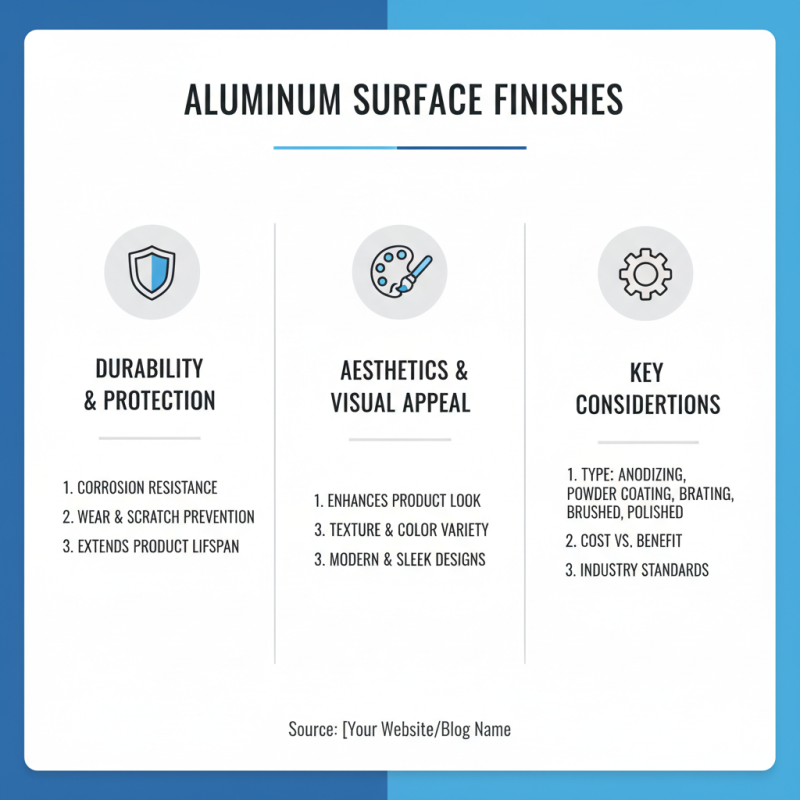
The aluminium industry offers a variety of surface finishes, including anodizing, powder coating, and painting. Each method presents unique advantages and challenges. For instance, anodizing enhances corrosion resistance but may lack color variety. Powder coating provides vibrant hues but requires careful application. Reflecting on these options is essential for optimizing both function and appearance.
Choosing the right finish often involves compromise. Sometimes, a more durable option might detract from the visual appeal. Understanding the trade-offs can lead to better decisions. As the market evolves, keeping up with innovations in Aluminium Surface finishes is vital for creating lasting and attractive products.
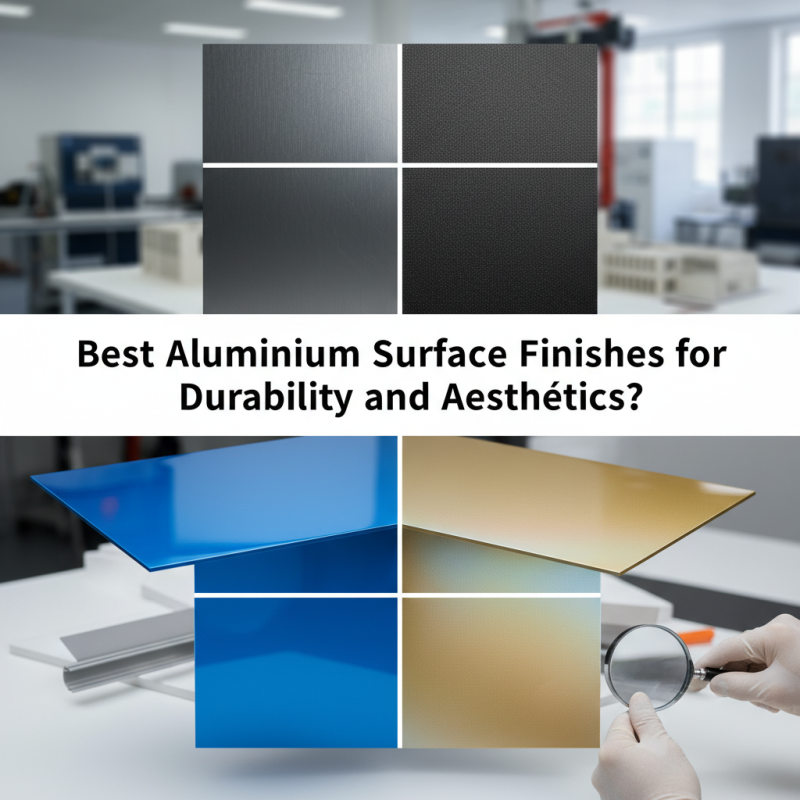
Understanding Aluminium Surface Finishes and Their Importance
Aluminium surface finishes play a crucial role in both durability and aesthetics. They protect the metal from corrosion and wear. The right finish can enhance the visual appeal of products. Understanding various finishes is essential for industries that rely on aluminium. Each type of finish offers unique benefits and challenges.
Tips: Always consider the environment where the aluminium will be used. If it's outdoors, opt for finishes that resist UV light and corrosion. For indoor use, aesthetics may take precedence. However, don't overlook the practical side. Some finishes may appear beautiful but have poor durability. Assess the trade-offs carefully.
Surface finishes range from anodizing to powder coating. Anodizing thickens the aluminium oxide layer, improving corrosion resistance. On the other hand, powder coating provides a vibrant color palette. Yet, not all coats last the same lifespan. Some may chip or fade more quickly than expected. Reflect on usage and maintenance when choosing finishes.
Common Types of Aluminium Surface Finishes for Enhanced Durability
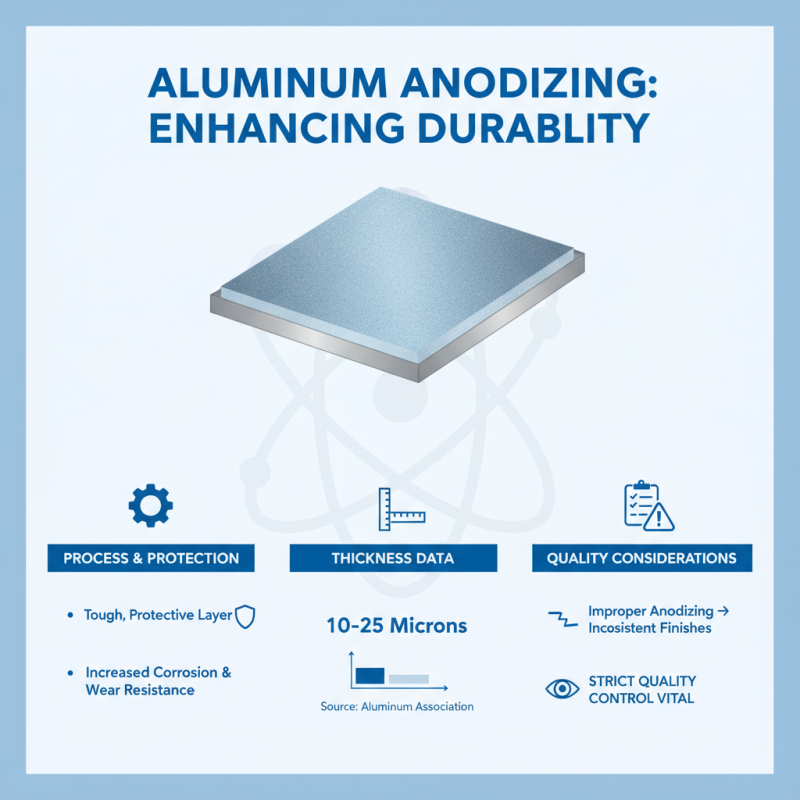
When discussing aluminium surface finishes, several methods emerge as key players in enhancing durability. Anodizing is widely recognized for providing a tough, protective layer. Data from the Aluminum Association shows that anodized aluminium can achieve thickness levels of 10 to 25 microns. This added thickness significantly increases resistance to corrosion and wear. However, it's essential to consider that improper anodizing can lead to inconsistent finishes, making quality control vital.
Another noteworthy finish is powder coating. This method involves applying a dry powder that is then cured under heat. Reports indicate that powder-coated aluminium surfaces can retain their aesthetic appeal for up to 15 years. Despite this, some challenges arise; certain colors may fade faster than others. Additionally, if not correctly applied, chips or scratches can compromise the finish.
Brushed finishes provide a unique, textured look to aluminium. Such finishes can reduce surface scratches and hide fingerprints effectively. Yet, their corrosion resistance is often lower compared to anodized or powder-coated options. Industry data suggests that brushed finishes require more frequent maintenance to sustain their appearance. Ultimately, selecting the right finish involves balancing aesthetics and durability, acknowledging that imperfections can affect long-term performance.
Aesthetic Considerations in Choosing Aluminium Surface Finishes
When selecting aluminium surface finishes, aesthetics play a crucial role. The appearance of an aluminium product can significantly influence consumer perception. A well-finished surface enhances the visual appeal and can reflect brand identity. According to a 2022 industry report, nearly 70% of consumers consider aesthetics a top priority in their buying decision.
Several finishes, such as anodizing and powder coating, provide unique visual effects. Anodizing creates a durable layer of oxide, enhancing color depth and texture. This finish offers both beauty and resilience. However, some applications may require maintenance, which can detract from its appeal. Powder coating, on the other hand, allows for a wide range of colors and textures. It can achieve a smooth or textured finish but may be prone to chipping over time.
Expectations regarding durability and aesthetics are high. A product's finish must withstand environmental elements and maintain visual appeal. A survey indicated that 80% of architects consider longevity in aesthetics when specifying materials. Failure to balance both aspects could lead to dissatisfaction. Compromises made now may require costly rework later. Striking the right balance is essential for long-term success in any project.
Best Aluminium Surface Finishes for Durability and Aesthetics
| Finish Type |
Durability Rating (1-10) |
Aesthetic Appeal (1-10) |
Maintenance Level (1-5) |
Common Applications |
| Anodizing |
9 |
8 |
2 |
Architectural Components |
| Powder Coating |
8 |
9 |
3 |
Consumer Goods |
| Brushed Finish |
7 |
7 |
4 |
Furniture |
| Mirror Finish |
6 |
10 |
5 |
High-End Decor |
| Chemical Film |
8 |
6 |
3 |
Aerospace |
Comparative Analysis of Surface Finishing Techniques for Aluminium
When it comes to finishing aluminium surfaces, various techniques offer both aesthetic appeal and durability. Anodizing is one popular method. It creates a protective layer on the metal, enhancing resistance to corrosion. This finish can be dyed for color, which provides choices for designers looking for specific shades. However, the anodizing process can sometimes result in uneven coloring, requiring careful attention.
Another common technique is powder coating. It involves applying a dry powder and curing it under heat. This method creates a tough finish, making it a great option for outdoor applications. The colors are vibrant, but achieving a perfect sheen can be tricky. Variations in the curing process may lead to inconsistencies.
**Tip:** Test small samples before committing to a large batch. This can help assess color quality and finish durability.
Brushed finishes provide a different aesthetic. This method creates a textured surface that can hide scratches well. However, it may not be as resistant to corrosion as other finishes. Regular maintenance is essential to keep the brushed look fresh.
**Tip:** Regular cleaning with appropriate solutions will help extend the life of the finish. Always check compatibility to avoid damage.
Best Aluminium Surface Finishes for Durability and Aesthetics
Factors Affecting the Longevity of Aluminium Surface Finishes
Aluminium surface finishes play a crucial role in determining the longevity and appearance of various products. Factors such as the type of finish, environmental conditions, and maintenance practices significantly influence durability. According to industry reports, anodized aluminium can last 20-25 years with minimal fading when properly maintained. Yet, exposure to harsh chemicals can shorten this lifespan dramatically.
The choice of finish affects resistance to corrosion and wear. Powder coating, for instance, is known for its vibrant colors and strong protective layers. Yet, not all powder coatings perform equally. Data from a 2021 study indicated that 30% of standard powder coats show significant degradation after only five years in coastal environments due to salt exposure. Environmental factors like UV radiation can also lead to color fading, challenging the initial aesthetic appeal.
Regular maintenance is vital. Even high-quality finishes require cleaning to remove dirt and pollutants. Neglecting this can lead to stains and compromised integrity. A report from a leading materials science journal revealed that proper cleaning extends the life of finishes by up to 40%. This underscores the necessity of understanding how both choices and care can impact the overall durability of aluminium finishes.