
10 Best Aluminium Surface Finishes for Global Buyers
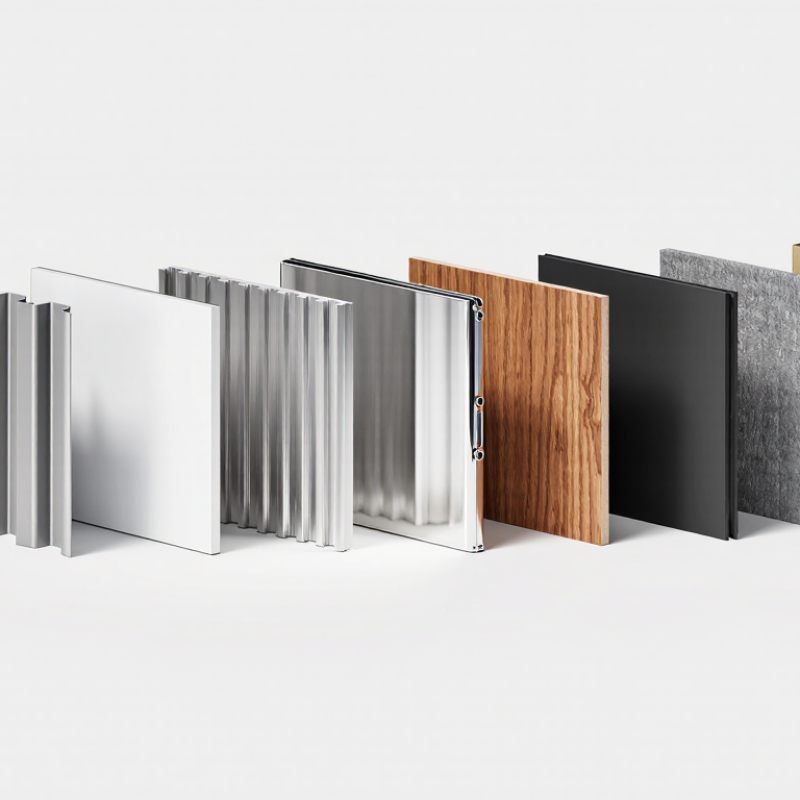
Choosing the right Aluminium Surface finish can shape a product’s appearance, service life, and total cost. Global buyers often compare ten popular options, including mill finish, anodizing, powder coating, PVDF coating, brushing, polishing, and wood-grain effects. Each finish creates a different visual and technical result. A brushed panel may show fine directional lines, while a polished sheet reflects light like a mirror. Anodized aluminium can offer durable color and improved surface protection. Powder coating provides broad color choices for architectural and industrial applications.
Performance matters more than appearance alone. Buyers should review coating thickness, color consistency, corrosion resistance, UV exposure, cleaning needs, and available warranties. Regional climate also changes the decision. Coastal air, desert dust, freezing temperatures, and heavy rainfall can affect finish selection. Request physical samples before approving large orders. Digital images often hide gloss differences and minor texture variations.
Details matter.
Reliable suppliers should provide clear technical data, inspection records, and production references. Recognized standards, such as ISO 7599 for anodized aluminium, may support quality evaluation, but buyers should confirm the correct standard for each application. Packaging and transport protection deserve attention too. A perfect finish can still arrive with scratches, edge damage, or moisture stains.
No finish is universally best. That point is easy to overlook. Some attractive coatings require more maintenance than expected, while lower-cost options may perform well in suitable environments. This guide compares ten Aluminium Surface finishes through practical performance, visual appeal, maintenance demands, and purchasing considerations. The final choice should balance evidence, budget, application conditions, and honest supplier communication.
What Aluminium Surface Finishing Means and Why It Matters
10 Best Aluminium Surface Finishes for Global Buyers
What Aluminium Surface Finishing Means and Why It Matters
Aluminium surface finishing is the controlled treatment applied after casting, rolling, or machining. It changes the metal’s appearance, texture, protection, and practical performance. Common options include anodizing, powder coating, brushing, polishing, electrophoretic coating, and simple mill finish. Each finish creates a different surface condition. A bright polished panel reflects light strongly, while a brushed panel hides small handling marks more effectively.
The finish also affects service life. Anodizing can improve resistance to weathering and wear without adding a thick layer. Powder coating provides broader color choices and a more visible protective film. In coastal environments, buyers should examine corrosion resistance carefully. Indoor furniture may prioritize touch, gloss, and easy cleaning instead. Surface thickness matters too. A coating can change assembly tolerances around holes, slots, and sliding parts. Small details matter.
From practical sourcing experience, unclear finish specifications cause avoidable disputes. “Silver” is not a complete color requirement. Buyers should state gloss level, texture, color tolerance, coating thickness, inspection lighting, and acceptable marks. A physical sample helps, but one sample may not represent every production batch. I have seen two parts look identical outdoors yet differ under factory lighting. That weakness deserves attention. Finishing is not decoration alone; it is part of the product’s engineering specification.
10 Best Aluminium Surface Finishes for Global Buyers - What Aluminium Surface Finishing Means and Why It Matters
A practical comparison of common aluminium surface finishes, including appearance, typical coating thickness, durability, maintenance needs, and suitable applications.
| No. | Surface Finish | How It Is Produced | Typical Appearance | Typical Thickness or Treatment | Outdoor Durability | Corrosion Resistance | Maintenance Level | Common Applications | Key Buyer Considerations |
|---|---|---|---|---|---|---|---|---|---|
| 01 | Mill Finish | Aluminium is supplied after extrusion, rolling, or machining, with no additional decorative coating. | Natural metallic appearance with possible extrusion lines, rolling marks, or machining traces. | No added coating; surface condition depends on the production process. | Moderate when correctly specified and maintained; appearance changes more quickly in aggressive environments. | Good in many normal atmospheres, but less protected against staining and surface oxidation than treated finishes. | Low to moderate | Structural components, concealed parts, heat sinks, industrial frames, and components intended for later finishing. | Usually the most economical option. Define acceptable surface marks, straightness, and oxidation limits before purchase. |
| 02 | Clear Anodized | An electrochemical process converts the aluminium surface into a controlled, hard anodic oxide layer. | Transparent silver or natural aluminium appearance with a satin, matte, or bright surface. | Common architectural anodic coating ranges are approximately 10–25 micrometres, depending on specification. | Low | Windows, doors, curtain walls, profiles, railings, interior trim, and architectural panels. | Colour can vary with alloy, temper, surface texture, and production batch. Specify a master sample and allowable colour variation. | ||
| 03 | Coloured Anodized | The anodized pores are coloured before sealing, using electrolytic colouring or other controlled colouring methods. | Bronze, champagne, black, grey, or other metallic colours with a visible aluminium character. | Commonly approximately 10–25 micrometres for architectural applications. | Low | Façades, shopfronts, window frames, elevator interiors, furniture, and decorative architectural components. | Colour matching is affected by alloy and batch variation. Avoid harsh alkaline cleaners that can damage the anodic layer. | ||
| 04 | Powder Coated | Electrostatically applied dry powder is cured onto the aluminium surface in an oven. | Wide colour range, from smooth gloss to matte, fine texture, or metallic effects. | Typical dry film thickness is approximately 60–120 micrometres, subject to the coating specification. | Low | Building profiles, doors, windows, fencing, furniture, lighting housings, and general architectural products. | Confirm pretreatment, coating class, gloss level, colour tolerance, edge coverage, and resistance requirements for the destination climate. | ||
| 05 | PVDF-Coated | A factory-applied liquid coating system based on fluoropolymer resin, normally applied over a prepared aluminium surface. | Consistent architectural colour with smooth, low-sheen, or specified gloss options. | Typical total dry film thickness is approximately 25–35 micrometres, depending on the coating system. | Low | High-rise façades, roof panels, curtain walls, coastal buildings, transport facilities, and major exterior cladding. | Suitable for demanding exterior exposure. Confirm primer, topcoat structure, colour retention requirements, and warranty conditions. | ||
| 06 | Liquid Painted | Wet paint is spray-applied to prepared aluminium and cured by air drying or controlled heating. | Almost any colour or gloss level, including special visual effects and custom colour matching. | Often approximately 20–35 micrometres for a single exterior coating system; the actual specification may require multiple layers. | Moderate | Interior panels, equipment housings, signs, custom architectural parts, and products requiring repair or colour flexibility. | Performance depends strongly on pretreatment, resin type, film thickness, curing, and exposure conditions. | ||
| 07 | Brushed or Satin Finish | The aluminium is mechanically abraded with controlled-direction brushes or abrasive belts. | Directional fine lines with a satin metallic appearance; the texture can be fine, medium, or coarse. | No added coating unless a clear protective treatment is specified. | Moderate | Interior wall panels, elevator panels, appliances, furniture, signage, and decorative trim. | Specify grain direction, roughness, allowable scratches, joint orientation, and whether a protective clear coat is required. | ||
| 08 | Polished or Mirror Finish | The surface is progressively abraded and polished to reduce roughness and increase reflectivity. | Bright reflective surface, ranging from semi-polished to mirror-like. | No added coating unless a clear protective layer is requested; surface roughness depends on the polishing grade. | Moderate to high | Decorative panels, lighting reflectors, interior design elements, signage, and specialty equipment. | Shows fingerprints, fine scratches, and handling marks easily. Protective film and careful packaging are important during shipment. | ||
| 09 | Bright Dip Anodized | Aluminium is chemically brightened before anodizing to create a smoother and more reflective surface. | Glossy metallic appearance with greater brightness than standard satin anodizing. | Common anodic layer thickness is approximately 10–20 micrometres, subject to the product specification. | Low to moderate | Decorative profiles, lighting components, automotive trim, consumer products, and premium interior applications. | Reflectivity and colour uniformity depend on alloy composition, surface preparation, and viewing angle. | ||
| 10 | Electrophoretic Clear or Coloured Coating | A charged water-based coating is deposited evenly on the aluminium and then cured. | Uniform clear, translucent, or coloured appearance, usually with a smooth low-to-medium gloss. | Typical dry film thickness is approximately 12–25 micrometres, depending on the system and required performance. | Low | Architectural profiles, window systems, interior components, furniture, and products requiring consistent coverage. | Provides good coverage on complex profiles. Confirm UV resistance, colour stability, pretreatment, and compatibility with the aluminium alloy. |
Note: Thickness ranges and performance ratings are typical industry guidance rather than universal limits. Final requirements should be confirmed against the applicable project specification, alloy, environment, testing method, and local or international standard.
Related Posts
-
Why Choose Aluminium Surface Treatment Methods for Your Projects?
-
What is Aluminium Surface Treatment Methods and Their Benefits?
-
Best Aluminium Surface Finishes for Durability and Aesthetics?
-

2026 Best Aluminium Extrusions in NZ for Your Next Project?
-
Top 10 Aluminium Wood Finish Options for Global Buyers?
-
Best Aluminium Profiles Suppliers for Your Global Sourcing Needs?


