RQ-2
RQ-3
RQ-1
RQ-4

China Best Aluminium Extrusions NZ Suppliers?

Choosing between Chinese manufacturers and local suppliers requires more than comparing catalogue prices. This guide examines China Best Aluminium Extrusions NZ Suppliers through quality, certification, lead times, tooling, and after-sales support. It also considers how imported profiles perform in New Zealand’s coastal, humid, and high-UV environments.

Mike Everitt, Managing Director of Ullrich Aluminium, has often stressed a practical purchasing principle: “The right aluminium profile must suit the application, not simply the budget.” That view matters when selecting Aluminium Extrusions Nz for windows, commercial framing, transport components, or custom industrial systems. A cheaper profile may use a different alloy, thinner wall, weaker temper, or less consistent anodising. It may look acceptable in a sample. Problems can appear later.

Ask for alloy certificates, dimensional tolerances, coating specifications, and independent test records. Request production samples before approving large volumes. Check whether the supplier can repeat the same finish across future batches. Small details matter. A rough die line can affect assembly. Poor packaging can damage corners during ocean freight.

Chinese extrusion factories may offer strong tooling capability, flexible minimum orders, and competitive pricing. New Zealand suppliers may provide faster communication, local stock, and clearer accountability. Neither option is automatically superior. That is the uncomfortable part. Supplier claims still require verification.

A reliable comparison should measure total landed cost, not unit price alone. Include tooling, freight, customs, inspection, storage, rejected goods, and replacement delays. Speak with references where possible. Review drawings with an experienced engineer. The final choice should balance performance, evidence, and practical support. Price is only one piece.

China Best Aluminium Extrusions NZ Suppliers?

What Are Aluminium Extrusions and Why Source Them from China?

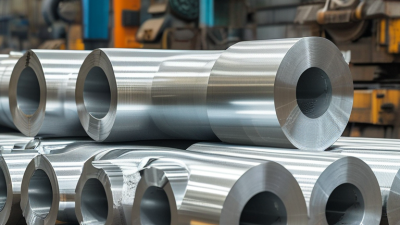
Aluminium extrusions are profiles shaped by pushing heated aluminium billets through a precision die. This process creates consistent sections, such as window frames, rails, heat sinks, and structural channels. Common alloys include 6063 for clean architectural finishes and 6061 for higher mechanical strength. The International Aluminium Institute’s 2024 production data places global primary aluminium output above 72 million tonnes. China contributes more than half of that volume, supporting a deep network of billet producers, die makers, and finishing facilities. This scale can offer New Zealand buyers competitive pricing and flexible customisation.

However, low pricing alone is not a sourcing strategy. A New Zealand importer should request alloy certificates, dimensional inspection records, coating test results, and traceable batch numbers. The AS/NZS 1866 standard may also matter for extruded aluminium products, depending on the application. Independent inspections can check wall thickness, straightness, surface marks, and packaging before shipment. Those details matter when profiles arrive across the ocean with little room for correction. The OECD’s 2023 economic survey describes China’s manufacturing sector as highly integrated, but integration does not guarantee every factory performs equally. That assumption needs testing. A capable supplier should provide die drawings, tolerances, sample approvals, and realistic production timelines. Freight, import duties, moisture protection, and exchange-rate changes also affect the final landed cost. A cheaper quote can become expensive after rework.

How to Evaluate Chinese Aluminium Extrusion Suppliers for New Zealand

China Best Aluminium Extrusions NZ Suppliers?

When evaluating Chinese aluminium extrusion suppliers for New Zealand, inspect capability beyond a polished catalogue. Ask for alloy, temper, dimensional tolerances, and coating specifications. These details affect strength, fit, and outdoor durability. Request recent test reports from accredited laboratories. Confirm whether the reports match your profile, not a similar product. Factory audits, production videos, and traceable batch records can reveal useful evidence. Still, none is perfect. A sample may pass while mass production varies.

New Zealand projects may face coastal moisture, strong sunlight, and demanding installation conditions. Discuss powder coating, anodising, packaging, and corrosion testing before placing an order. Check whether the supplier understands AS/NZS requirements relevant to your application. A qualified engineer should review structural designs. Do not rely on sales promises alone. Compare tolerance tables, inspection procedures, lead times, and corrective-action records. Also confirm shipping terms, export documents, and damage protection. One overlooked detail can delay an entire installation.

Tips: Send a clear technical drawing. Order production samples. Measure them with calibrated tools. Request packing photos and a pre-shipment inspection. Speak with recent New Zealand customers when possible. Keep every approved specification in writing. Be willing to reject a cheap quotation if quality evidence is weak. Cost matters, but replacement freight can matter more.

How to Evaluate Chinese Aluminium Extrusion Suppliers for New Zealand

A practical RFQ scorecard can help New Zealand buyers compare suppliers consistently. The suggested weighting prioritises compliance, traceable quality, logistics reliability and total landed cost rather than brand recognition alone.

Use these percentages as a starting framework when reviewing quotations. Confirm alloy and temper, dimensional tolerances, surface-finish requirements, inspection records, packaging, Incoterms, shipping documentation and New Zealand import obligations before placing an order.

Which Aluminium Extrusion Products Suit New Zealand Projects?

For New Zealand projects, aluminium extrusion products should match the building’s exposure, load, and thermal requirements. Window and door profiles suit homes, offices, and coastal renovations. Thermally broken frames are more appropriate where indoor comfort and Building Code H1 performance matter. The International Energy Agency reports that buildings account for around 30% of global energy demand, so frame design should not be treated as a minor detail. A narrow profile may look elegant, but it can reduce strength or leave less space for effective insulation.

Curtain wall mullions suit larger façades, while heavier structural sections work better for canopies, platforms, and modular frames. Solar-control fins can reduce direct summer heat, especially on north-facing glazing. For coastal locations, specify suitable alloy chemistry, drainage paths, and a durable powder or anodised finish. Salt exposure is unforgiving. The International Aluminium Institute identifies construction as one of aluminium’s major end-use sectors, representing roughly one-quarter of demand in many industry assessments. That scale supports aluminium’s practical value, but it does not remove the need for project-specific engineering.

Balustrade and handrail profiles need verified loading performance, not just attractive geometry. Local wind conditions can change the required section size. Designers should review supplier test evidence, tolerances, thermal movement, and fixing details before ordering. I have seen lightweight profiles appear efficient on paper, yet installation becomes difficult when brackets and drainage are ignored. A better specification includes drawings, finish samples, and corrosion checks. Not every extrusion suits every site.

What Quality, Compliance, and Certification Standards Should Be Checked?

When comparing China-based aluminium extrusion suppliers for New Zealand projects, check product compliance before price. Request alloy grade, temper, dimensional tolerances, surface-finish requirements, and batch traceability. Each bundle should carry a heat number linked to test results. A spreadsheet can look complete while one heat number is missing.

For structural applications, ask whether profiles meet the relevant AS/NZS 1866 requirements. Designs should also align with applicable aluminium structure provisions under AS/NZS 1664 and New Zealand Building Code obligations. Request independent tensile, hardness, coating-thickness, and dimensional reports. For powder-coated profiles, confirm pretreatment, film thickness, colour tolerance, and weathering-test results. Certificates must cover the actual production site and supplied product range. That detail matters.

ISO 9001 is useful, but it does not prove every extrusion is dimensionally correct. The ISO Survey 2022 recorded 1,265,216 ISO 9001 certificates worldwide, showing its widespread use, not automatic product quality. Check certificate scope, expiry date, audit body, and corrective-action records. Environmental claims deserve equal scrutiny. The International Aluminium Institute reports that recycled aluminium requires about 5% of the energy used for primary aluminium. Ask for recycled-content evidence and chain-of-custody records, rather than accepting vague “green” language. I would also request pre-shipment samples and retain one approved section for comparison. Suppliers may resist this. Keep asking.

China Best Aluminium Extrusions NZ Suppliers? - What Quality, Compliance, and Certification Standards Should Be Checked?

Assessment Dimension Standard, Specification or Requirement What Should Be Checked Recommended Evidence from the Supplier Relevance to New Zealand Buyers
Aluminium Alloy EN 573-3, ASTM B221 or an equivalent agreed material specification Confirm the alloy designation, chemical composition, temper and intended application. Common architectural alloys include 6060 and 6063; higher-strength applications may require 6005A or 6061. Material test certificate, chemical analysis report and batch identification linked to the purchase order. The standard must be agreed in the contract; alloy names alone do not prove performance.
Mechanical Properties EN 755-2, ASTM B221 or the specified project standard Check tensile strength, yield strength, elongation and hardness for the exact alloy and temper supplied. Verify that results apply to the finished extrusion, not only to billet material. Batch-specific mechanical test report issued by an accredited or suitably qualified laboratory. Important for structural, load-bearing, transport, marine and safety-related applications.
Extrusion Tolerances EN 755-9 for general extruded profiles; EN 12020-2 for precision architectural profiles where applicable Review dimensional, straightness, twist, corner-radius and wall-thickness tolerances. Confirm the drawing revision and measurement method used. Approved inspection drawing, dimensional inspection report and calibrated measuring-equipment records. Critical where profiles must fit New Zealand windows, doors, façades, machinery or assembly systems.
Profile Design Control Approved production drawing and controlled tooling specification Check die revision, critical dimensions, hollow-section integrity, minimum wall thickness, drainage details and dimensional changes after trial production. Signed technical drawing, die approval record, first-article inspection report and change-control procedure. Prevents substitution of an unapproved profile during repeat orders.
Surface Finish: Anodising ISO 7599 and the project-defined anodic coating class Check coating thickness, colour consistency, sealing quality, surface appearance and permissible visual defects. Confirm whether the finish is architectural or decorative grade. Anodising certificate, coating-thickness readings, colour sample approval and sealing-test results. Relevant for exterior aluminium exposed to moisture, salt air and ultraviolet radiation.
Surface Finish: Powder Coating ISO 2813, ISO 2360 and an agreed powder-coating performance specification Check film thickness, adhesion, colour difference, cure, gloss, impact resistance and resistance to corrosion. The required performance class should match the exposure environment. Coating inspection report, batch record, gloss and adhesion results, colour approval and curing-oven records. For coastal or high-corrosion locations, specify a suitable pretreatment and exposure performance rather than relying only on colour or appearance.
Corrosion Resistance ISO 9227 salt-spray testing where specified; project-specific durability requirements Confirm the test method, exposure duration, pretreatment, acceptance criteria and whether the test was performed on the same coating system and substrate. Laboratory test report identifying the coating system, substrate, test duration and evaluation method. Salt-spray results are comparative evidence and should not be treated as a direct prediction of every New Zealand environment.
Weldability and Fabrication Alloy-specific fabrication procedure and applicable welding standard Check compatibility with cutting, drilling, bending, welding, machining and joining requirements. Confirm the effect of fabrication on temper and corrosion protection. Fabrication instructions, welding procedure qualification where applicable, and post-fabrication treatment requirements. Especially important when extrusions are supplied as fabricated frames, assemblies or structural components.
Quality Management System ISO 9001 certification or an equivalent documented quality-management system Verify the certificate scope, validity, issuing certification body and whether extrusion, finishing and inspection activities are included. Current certificate, certificate scope, audit status and documented corrective-action process. Certification supports process control but does not replace product-specific testing or inspection.
Environmental Management ISO 14001 certification where environmental management is required Review control of wastewater, chemical handling, aluminium scrap, energy use and environmental incidents. Current ISO 14001 certificate, environmental policy and relevant compliance records. Useful for procurement policies and sustainability reporting; it is not normally proof of product quality.
Worker Health and Safety ISO 45001 certification where supplier-risk controls are required Check whether the system covers manufacturing sites, contractor controls, chemical handling and incident management. Current certificate, scope and recent audit or corrective-action summary. Supports responsible sourcing but should be assessed separately from technical product compliance.
Traceability Batch, billet, extrusion and finishing traceability Confirm that each bundle or finished component can be traced to the alloy batch, production date, die, temper, surface finish and inspection results. Bundle labels, heat or lot numbers, production records and packing-list references. Essential for recalls, warranty claims, repeat orders and non-conformance investigations.
Material Certification EN 10204 type 3.1 inspection certificate where contractually required Check that the certificate identifies the product, alloy, temper, batch and test results, and is issued under the manufacturer’s inspection responsibility. Signed and traceable 3.1 certificate matched to the shipped bundles or components. A supplier declaration without batch-specific results may provide insufficient assurance for critical applications.
New Zealand Building Compliance New Zealand Building Code requirements and the applicable Acceptable Solution, Verification Method or specific engineering evidence Determine whether the extrusion forms part of a building product or system. Assess structural stability, durability, weathertightness, fire-related requirements and installation details as applicable. Project-specific compliance statement, engineering calculations, test reports, installation instructions and product information required for the intended use. Aluminium extrusion certification by itself does not demonstrate compliance with the New Zealand Building Code.
Construction Product Information New Zealand construction-product information obligations, where the product and supply arrangement are covered Check that intended use, limitations, installation requirements, maintenance information, performance claims and supporting evidence are clearly documented. Product technical statement, installation manual, maintenance instructions and accessible supporting test documentation. Applicability depends on the product type, intended building use and how it is supplied in New Zealand.
Packaging and Shipping Agreed export packaging specification and New Zealand import requirements Check protection against bending, scratching, moisture, galvanic contact and contamination during sea freight. Confirm labels, packing list, country-of-origin details and timber-packaging compliance where timber is used. Packaging specification, loading photographs, packing list and documentation for any wood packaging or pallets. Poor packaging can cause damage or biosecurity delays even when the extrusion itself meets the technical specification.
Pre-Shipment Inspection Purchase-order inspection plan and agreed acceptance criteria Inspect alloy and temper documentation, profile dimensions, quantity, finish, packaging, labels and visible defects before shipment. Independent inspection report, sampling plan, non-conformance record and corrective-action confirmation. Reduces the risk of discovering incorrect profiles or finishes after arrival in New Zealand.
Supplier Capability Verified production capacity and process capability Assess press capacity, maximum profile size, die-making capability, finishing capacity, inspection equipment, lead time and ability to maintain repeat-order consistency. Factory audit report, equipment list, process flow chart, sample approval records and capacity declaration. A capable supplier should demonstrate repeatable production, not only provide a competitive quotation.
Contract and Warranty Written technical purchase specification and warranty terms Define alloy, temper, dimensions, tolerances, finish, colour, packaging, inspection rights, documentation, claims process and acceptable defect limits. Signed purchase specification, approved samples, inspection-and-test plan and written warranty conditions. Clear contractual requirements make quality claims enforceable and reduce interpretation disputes.

Note: The applicable standards and evidence should be selected according to the extrusion’s end use, design loads, exposure environment, finishing system and New Zealand regulatory obligations. ISO or other management-system certification does not, by itself, prove that a specific aluminium profile complies with project requirements.

How to Compare Pricing, Shipping, and Supplier Support?

China Best Aluminium Extrusions NZ Suppliers?

Comparing aluminium extrusion suppliers requires more than checking the price per kilogram. Request an itemised quote covering alloy, temper, profile weight, surface finish, tooling, packaging, and minimum order quantity. A cheaper quote may exclude die charges or inspection fees. Confirm whether the price is based on FOB, CIF, or delivery to your New Zealand address. Small wording differences can change the landed cost considerably.

Ask for a realistic production schedule. Standard profiles may ship quickly, while custom dies need drawings, testing, and approval samples. Check the estimated sea freight time, port handling charges, insurance, and delivery from the New Zealand port to your workshop. Strong packaging matters. Thin aluminium profiles can arrive scratched or bent when bundles lack edge protection. Request photos of previous packaging and a written claim process.

Supplier support often separates a reliable partner from a distant factory. A capable team should review your drawings, explain tolerances, provide alloy certificates, and answer technical questions clearly. Ask for sample pieces before approving a large order. Communication should include named contacts, response times, and update frequency. Do not rely on polished promises alone. I have found that detailed questions reveal more than impressive catalogues. Still, even careful checks can miss a production issue, so keep inspection criteria specific and measurable. Supplier support is valuable. But documentation must match the shipment.

Please feel free to contact us