China Top Aluminium Process Techniques for Efficient Manufacturing?
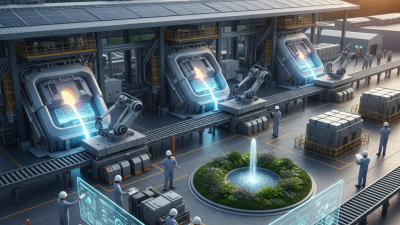
In the world of manufacturing, the "Aluminium Process" stands as a crucial subject. Dr. Liu Wei, an expert in metallurgical engineering, emphasizes the importance of efficient manufacturing techniques. He states, "Innovative processes in aluminium production lead to sustainability and higher quality outcomes." This highlights how advancements in the Aluminium Process can shape the future of industries reliant on this versatile material.
Across China, manufacturers are prioritizing innovation. Improved techniques not only enhance productivity but also reduce waste. For instance, extrusion and forging methods are being refined to optimize energy consumption. However, challenges remain. Many companies still rely on outdated practices that hinder efficiency.
An effective Aluminium Process should balance modern techniques with traditional craftsmanship. Some manufacturers face difficulties in implementing new technologies. This can lead to inconsistent product quality. Reflecting on these challenges, the industry must strive for continual improvement.
Advancements in Aluminum Smelting Techniques in China for Efficiency
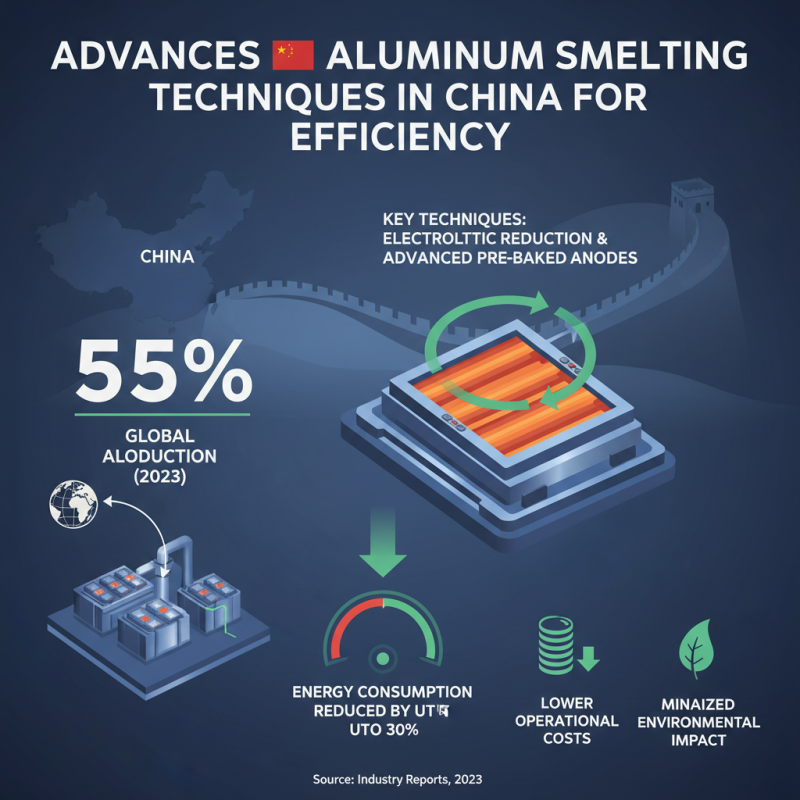
China has made remarkable advancements in aluminum smelting techniques, enhancing efficiency in manufacturing processes. As of 2023, China accounts for approximately 55% of the world's aluminum production. Techniques such as electrolytic reduction and the use of advanced pre-baked anodes have improved energy consumption by up to 30%. These methods not only reduce operational costs but also minimize environmental impacts.
Innovations in cell design have led to increased aluminum yields. For instance, recent studies indicate that new cell configurations can boost production capacity by 10-20%. These emerging technologies focus on optimizing temperature control and reducing harmful emissions. Refinement in smelting processes also emphasizes recycling materials, contributing to sustainable practices.
**Tip:** Always stay updated on new technologies in aluminum production. Consider attending industry conferences or workshops. Networking with experts can provide invaluable insights.
Despite these advancements, challenges remain. Energy consumption still poses a concern, leading to exhaustive research for alternative energies. Continuous improvements in efficiency must also balance production demand and environmental regulations. Finding the right equilibrium is essential for the industry's future.
**Tip:** Embrace a culture of innovation within your operations. Encourage team brainstorming sessions to foster creative solutions. Adjusting approaches might lead to unexpected improvements.
Innovative Casting Methods in China's Aluminum Manufacturing Industry
China's aluminum manufacturing industry has embraced innovative casting methods to enhance efficiency and quality. One of the most popular techniques is the use of cold chamber die casting. This process enables manufacturers to produce aluminum parts with precision and reduced waste. Cold chamber systems allow for the use of high-quality alloys, resulting in stronger and lighter components.
Another noteworthy method is the semi-solid metal casting. This technique allows aluminum to be injected in a semi-solid state, reducing the energy required for melting. It also minimizes defects, leading to fewer rejected parts. The accuracy of this method helps in creating complex shapes without compromising structural integrity. However, challenges remain in controlling the semi-solid processing parameters, which requires continuous optimization.
Additionally, the advancement of 3D printing technology is making waves. It allows for rapid prototyping and production of unique designs that were not possible with traditional methods. The integration of additive manufacturing poses new challenges for traditional casting techniques. Manufacturers must adapt to these innovations to remain competitive in a rapidly changing landscape. This evolution prompts ongoing discussions about the balance between efficiency and quality control in production processes.
Impact of Automation on China's Aluminum Production Efficiency
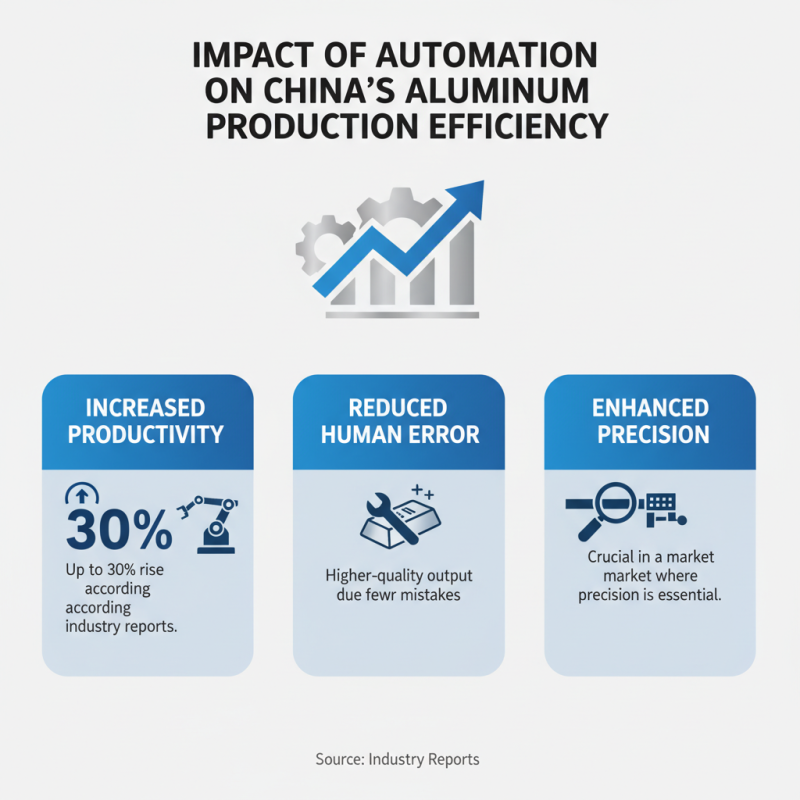
The impact of automation on China's aluminum production efficiency is substantial. According to industry reports, automation can increase productivity by up to 30%. Automated processes reduce human error, leading to higher-quality output. In a market where precision is essential, this improvement is crucial.
Moreover, the move toward automation addresses labor shortages, especially in skilled roles. The China Nonferrous Metals Industry Association reported that automation has helped decrease production costs by 20%. This shift not only optimizes workflow but also enhances energy efficiency. Automated systems can monitor energy consumption, identifying areas for reduction.
However, automation is not without challenges. The initial investment costs can be significant. Many smaller producers struggle to finance these technologies. Additionally, workforce adaptation is critical. Training existing employees to operate automated systems can be a time-consuming process. Addressing these challenges is vital for long-term success in aluminum manufacturing.
Sustainability Practices in China's Aluminum Processing Techniques
Sustainability is reshaping the aluminum processing sector in China. In recent years, China's aluminum production has been under scrutiny. The industry aims to reduce its carbon footprint. According to a recent report, China is responsible for over 50% of global aluminum production. This significant figure raises concerns about environmental impact.
Innovative techniques are emerging to address these challenges. Many companies are investing in cleaner technologies. For instance, advanced recycling methods can save up to 95% of energy compared to new aluminum production. Recycling is crucial. Data shows that recycled aluminum requires only 5% of the energy compared to primary aluminum. This shift not only cuts costs but also minimizes waste.
Yet, the path to sustainability is not without obstacles. Regulatory compliance can be complex. Some producers struggle with outdated practices that resist change. Additionally, a lack of up-to-date technology can impede progress. Addressing these issues is vital for a sustainable future in the aluminum sector. Efforts must continue to ensure that the industry's growth aligns with sustainable practices.
Sustainability Practices in China's Aluminum Processing Techniques
This chart illustrates the energy consumption (in kWh) and CO2 emissions (in tons) associated with different aluminum processing techniques in China. The data reflects the emphasis on sustainability and efficiency in manufacturing practices.
Comparative Analysis of Chinese and Global Aluminum Processing Technologies
In recent years, China's aluminum processing techniques have gained attention globally. The effectiveness of these methods is evident when compared to international standards. Chinese manufacturers employ advanced technology to enhance efficiency and reduce costs. Techniques such as continuous casting and extrusion have become cornerstones of the industry. These processes show a marked improvement in energy consumption.
However, challenges remain. Despite significant advancements, some Chinese techniques lack the precision found in Europe or North America. Quality control measures need further enhancement. There is still a perception of variability in product consistency. Additionally, foreign technologies often emphasize sustainability more rigorously. This raises questions about long-term environmental impacts in China’s aluminum sector.
Collaborative efforts between Chinese and global manufacturers could bridge these gaps. Sharing best practices may foster a more balanced approach. As the industry evolves, ongoing investment in research is crucial. New innovations will likely redefine efficiency standards. Embracing both domestic and international perspectives will benefit the aluminum processing landscape.
China Top Aluminium Process Techniques for Efficient Manufacturing
| Process Technique |
Energy Efficiency (%) |
Production Speed (kg/h) |
Material Utilization (%) |
Adoption Rate in China (%) |
| Die Casting |
85 |
120 |
93 |
75 |
| Extrusion |
80 |
100 |
90 |
65 |
| Rolling |
78 |
150 |
88 |
80 |
| Forging |
82 |
90 |
91 |
68 |
| Sheet Metal Processing |
79 |
80 |
86 |
72 |