China Top Aluminium Heatsink Profile Manufacturer
Choosing a China Top Aluminium Heatsink Profile Manufacturer requires more than comparing prices or catalog images. It requires evidence, process knowledge, and dependable communication. An Aluminium Heatsink Profile must transfer heat efficiently while fitting the product’s mechanical and electrical requirements. Alloy selection, extrusion design, wall thickness, surface treatment, and dimensional tolerance all influence performance. Small details matter.
A capable manufacturer should explain these decisions clearly. Engineers may review thermal load, airflow, mounting pressure, and available installation space before recommending a profile. Production should include controlled billet heating, precision extrusion, cutting, deburring, and consistent finishing. Samples can reveal surface marks, uneven edges, or poor contact areas that drawings may not show. Testing and inspection records also help confirm consistency between batches.
Real projects are rarely perfect.
A practical supplier understands that every application has limits. One profile may work well for LED lighting but fail in a compact power supply. A lower-cost design can also create higher assembly or cooling costs later. Even experienced teams sometimes overlook packaging, oxidation protection, or tolerance changes after anodizing. These issues deserve honest review rather than confident promises.
This guide examines how manufacturers develop, produce, and verify aluminium heatsink solutions for different industries. It focuses on engineering decisions, factory capability, quality control, customization, and long-term supply reliability. Readers can use these points to ask sharper questions and compare suppliers more fairly. The strongest partnership is built through measurable data, responsive communication, and consistent results—not attractive claims alone.
Aluminium Heatsink Profiles: Definition and Core Functions
China Top Aluminium Heatsink Profile Manufacturer
Aluminium Heatsink Profiles: Definition and Core Functions
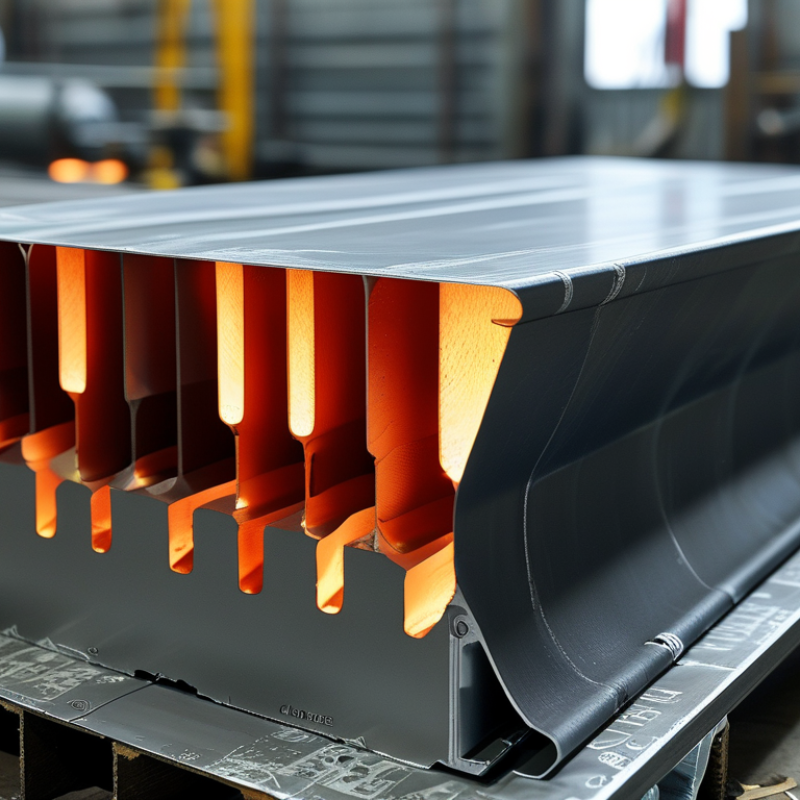
Aluminium heatsink profiles are shaped metal sections designed to move heat away from electronic components. They are commonly made through extrusion. Heated aluminium passes through a precisely shaped die. This process creates a base and repeated fins in one continuous piece.
The base touches a heat source, such as a power module or LED board. Heat travels through the aluminium and spreads across the profile. Fins then increase the exposed surface area. Air carries heat away through natural or forced convection. Thin fins can improve cooling, but excessive thinness may reduce strength and complicate production.
In practical profile development, engineers check thermal resistance, alloy selection, fin spacing, wall thickness, and mounting pressure. Aluminium alloys with good thermal conductivity are often preferred. Surface treatments can improve corrosion resistance and appearance. However, a polished surface does not guarantee effective cooling. Contact flatness matters greatly.
A profile may look efficient but perform poorly after assembly. Small air gaps can block heat transfer. Uneven screws can create similar problems. These details are easy to underestimate. Careful testing with temperature sensors is more reliable than visual judgment. Designers should also consider dust, airflow direction, operating load, and long-term deformation. Some projects need a larger profile, not a more complicated one. That choice can reduce manufacturing risk and maintenance effort.
Material Selection and Thermal Design Principles
China Top Aluminium Heatsink Profile Manufacturer
Material Selection and Thermal Design Principles
Selecting an aluminium heatsink profile begins with the real thermal load, not a catalog shape. For many extruded applications, 6063 aluminium offers reliable thermal conductivity, smooth surfaces, and excellent formability. It also supports complex fin designs with controlled wall thickness. 6061 aluminium provides higher mechanical strength, but extrusion can be less flexible. The better choice depends on temperature, load, mounting stress, and production volume.
Thermal design must connect material data with actual operating conditions. A heatsink with thin, tall fins may perform well in forced airflow, yet struggle in natural convection. Fin spacing should allow air to move freely, especially when dust or restricted ventilation is expected. Base thickness matters too. A weak base can spread heat unevenly across the profile. Small details matter.
In practical production, we check thermal resistance, contact flatness, and dimensional stability after extrusion. Anodizing can improve surface durability, but its thermal effect should not be assumed without testing. Measurements often reveal problems that simulations miss. Our first fin layout is rarely final. Sometimes more fins reduce performance by blocking airflow. That mistake is easy to make. Prototype testing, infrared inspection, and controlled load trials provide stronger evidence than appearance alone. A reliable profile balances conductivity, geometry, airflow, weight, and machining limits.
Profile Manufacturing Process and Quality Control
China Top Aluminium Heatsink Profile Manufacturer
Profile Manufacturing Process and Quality Control
Reliable aluminium heatsink profiles begin with controlled material selection. Engineers choose alloys according to conductivity, strength, and extrusion performance. Each billet is checked for chemical composition before entering production. The extrusion die must match fin spacing, wall thickness, and airflow requirements. Small design errors can create weak fins or uneven cooling.
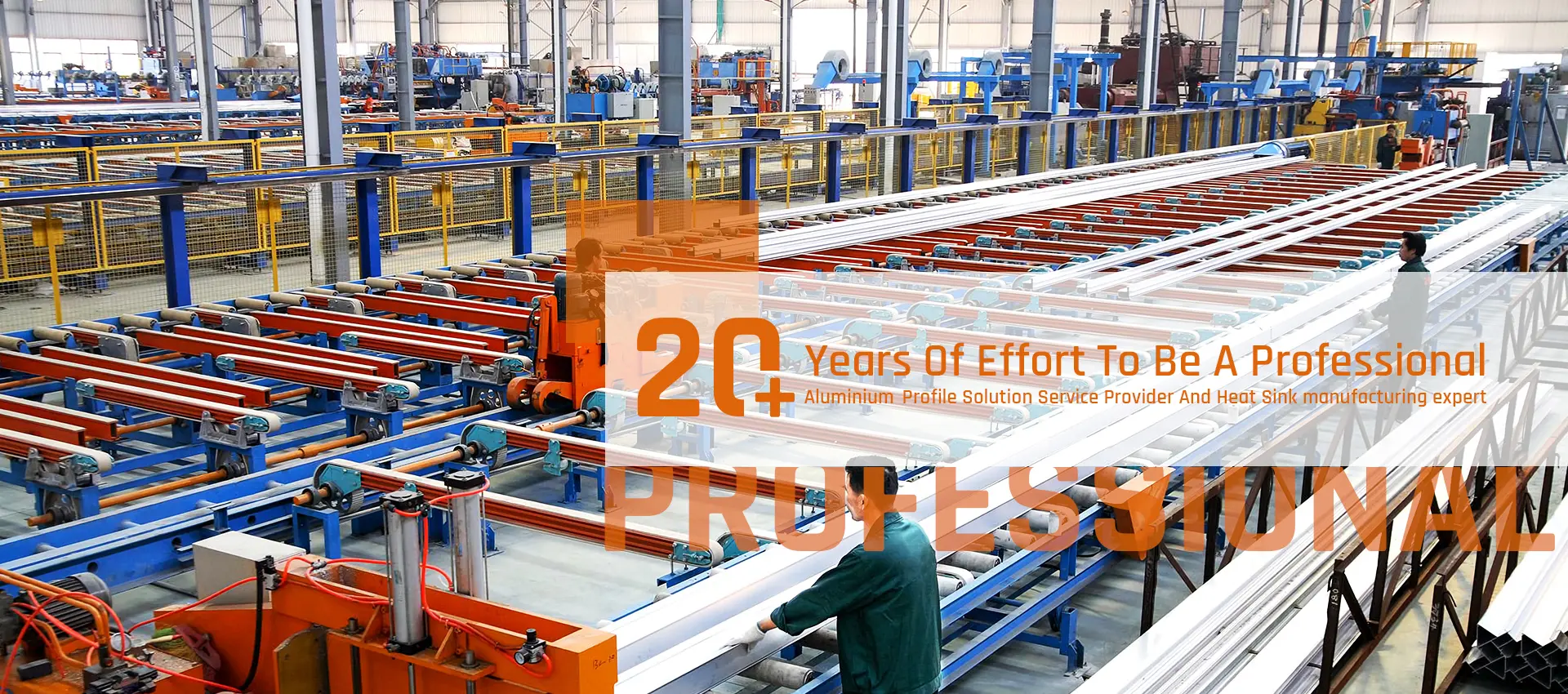
Billets are heated within a controlled temperature range. The press then shapes aluminium through the precision die. After extrusion, profiles receive cooling, stretching, and artificial aging. These steps improve straightness and mechanical stability. Operators inspect samples during every production batch. They measure dimensions with gauges, calipers, and coordinate measuring equipment. Surface checks identify scratches, cracks, oxidation marks, and incomplete fin formation.
Quality control does not end with dimensional inspection. Thermal testing evaluates contact surfaces and heat dissipation performance. Coating thickness and adhesion are also tested when anodizing is required. Batch records link finished profiles to raw materials, machine settings, and inspection results. This traceability supports consistent production and faster corrective action. No production line is perfect. Die wear may slowly change fin dimensions. We review these changes instead of hiding them. Sometimes, a second inspection reveals what the first check missed. That is why process records and operator experience remain essential.
Applications Across Electronics and Industrial Systems
China Top Aluminium Heatsink Profile Manufacturer
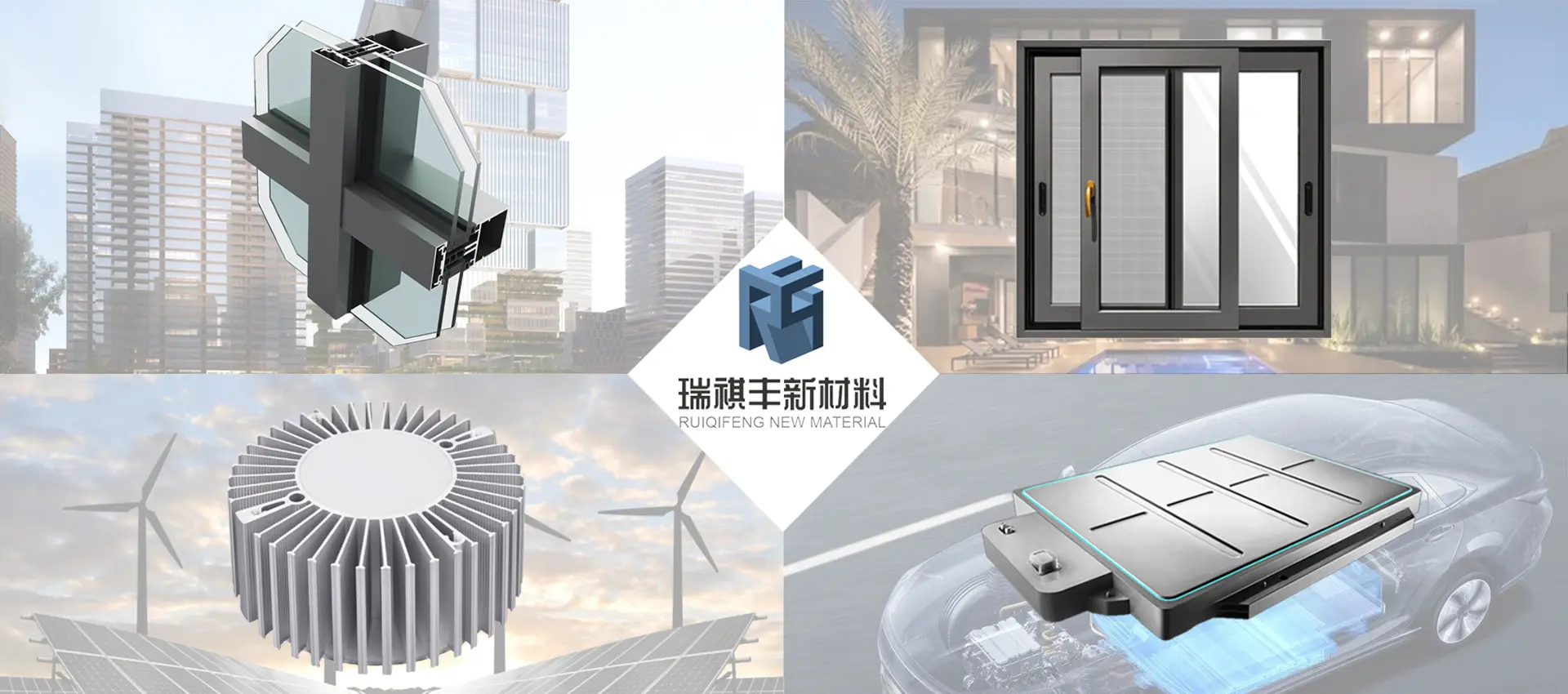
Aluminium heatsink profiles support dense electronics and demanding industrial systems. In power supplies, LED drivers, telecommunications equipment, and battery controllers, extruded fins spread heat from compact components. A useful starting point is thermal resistance, not appearance. Fin height, wall thickness, airflow, and mounting pressure all affect real performance.
The IEA’s Electricity 2024 report estimates that data centres used about 460 terawatt-hours globally in 2022. Their electricity demand could exceed 1,000 terawatt-hours by 2026. This growth increases pressure on cooling hardware.
Aluminium profiles help by combining low weight, strong thermal conductivity, and scalable extrusion. Designers can specify pin-fin, straight-fin, or skived-style geometries for different airflow conditions.
Small details matter. A poor interface can undermine an excellent profile.
Industrial applications include motor drives, automation controllers, welding equipment, solar inverters, and electric vehicle charging systems. These devices often face vibration, dust, and uneven heat loads.
The International Aluminium Institute reports that recycled aluminium requires roughly five percent of the energy used for primary aluminium production. That supports lower-impact component sourcing, although recycling content must still meet alloy and strength requirements.
In production reviews, oversized heatsinks appear surprisingly often. They add cost without solving the actual hotspot. A better approach combines thermal simulation, measured temperature testing, and careful surface finishing.
The process is not perfect. Airflow changes, assembly tolerances, and interface aging still require attention.