Why Choose Aluminium Curtain Wall Profile for Modern Architecture?
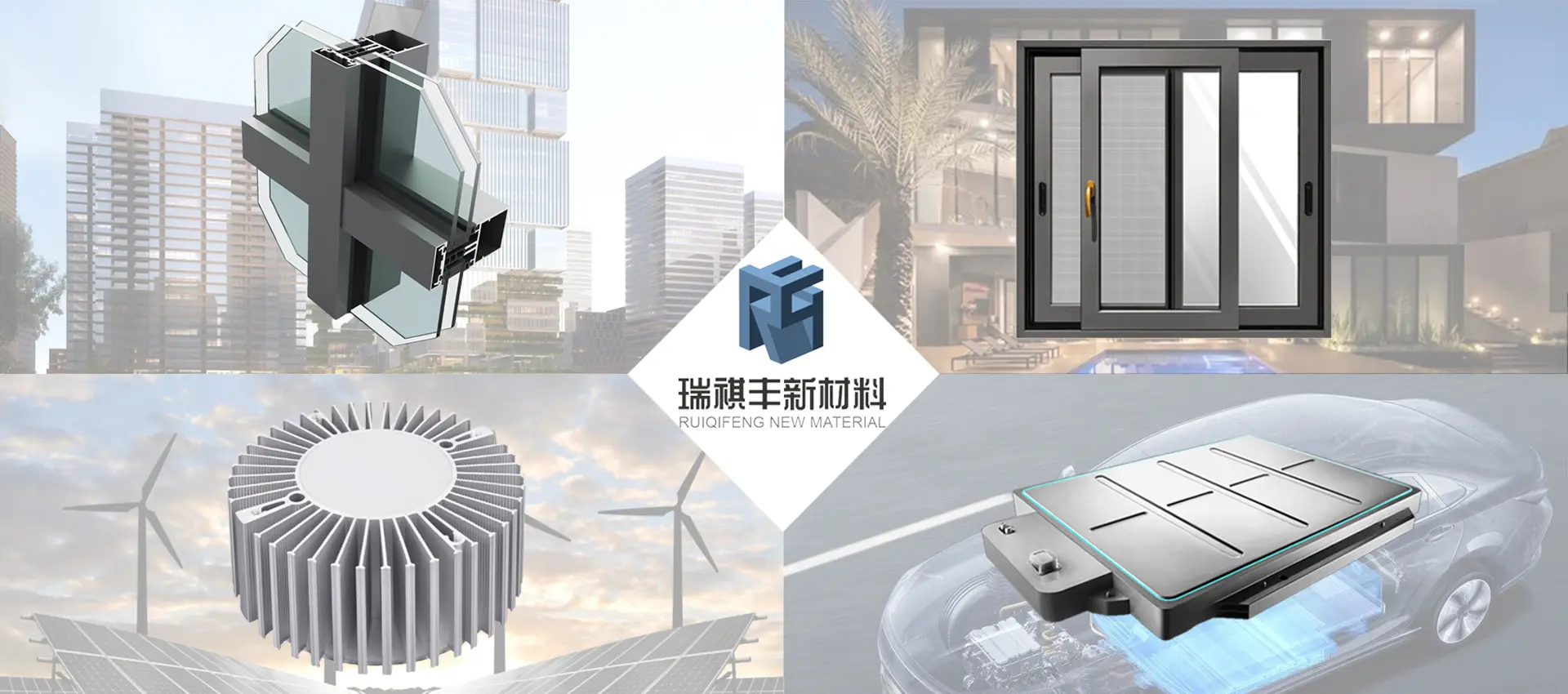
The modern architectural landscape is ever-evolving. One significant feature gaining traction is the Aluminium Curtain Wall Profile. This profile not only enhances aesthetic appeal but also boasts impressive durability. With sleek lines and a lightweight design, these profiles can transform buildings. However, their popularity raises questions.
Choosing Aluminium Curtain Wall Profiles isn't merely about looks. Energy efficiency is a critical consideration. These profiles can improve insulation, leading to reduced energy costs. Yet, not all designs meet this standard. Architects must carefully evaluate energy performance. Moreover, while many praise their durability, some may find maintenance challenging. Regular checks are vital to uphold appearance and function.
In the quest for innovation, Aluminium Curtain Wall Profiles offer exciting possibilities. However, it’s essential to recognize their limitations. Not every design suits every environment. Decision-makers must weigh benefits against potential drawbacks. Through informed choices, architects can make the most of this versatile building material.
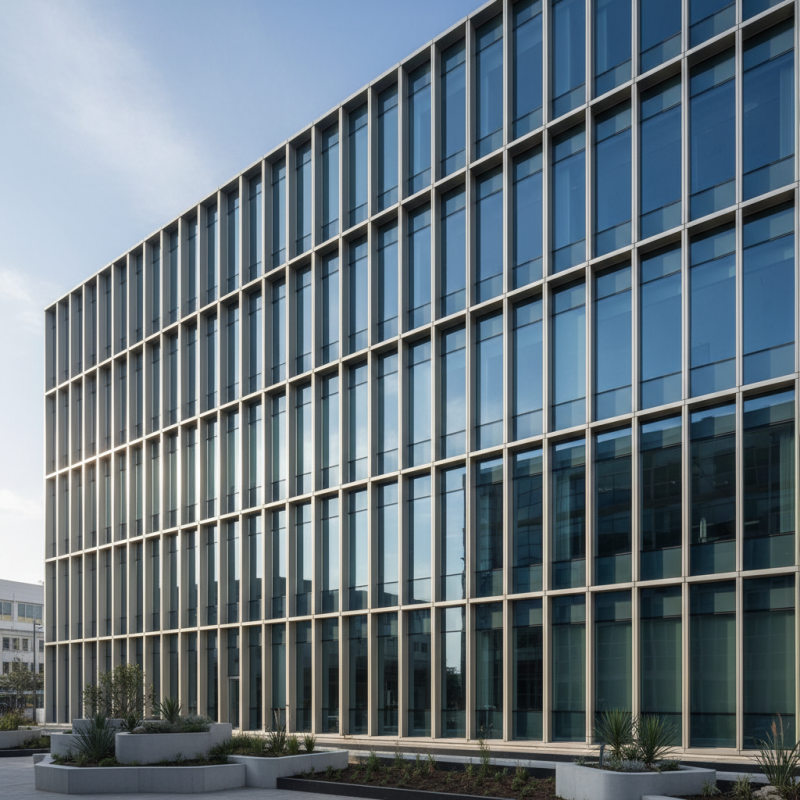
Advantages of Aluminium Curtain Wall Profiles in Modern Buildings
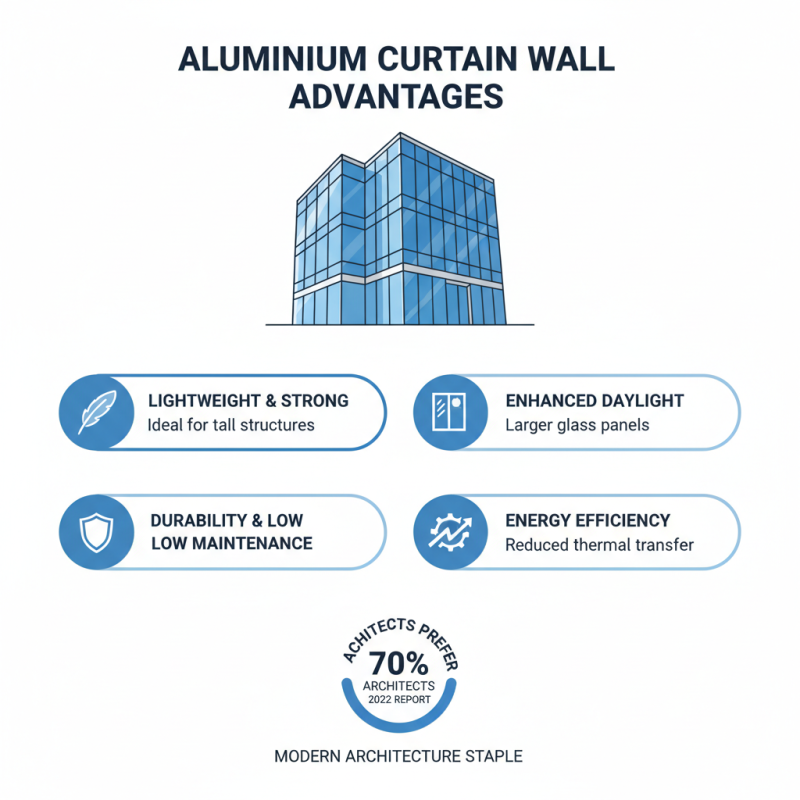
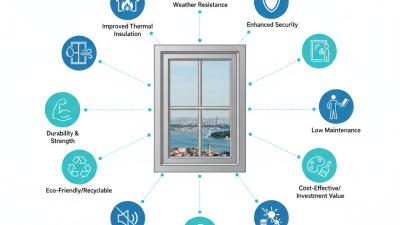
Aluminium curtain wall profiles are becoming a staple in modern architecture. They offer significant advantages for contemporary buildings. According to a 2022 industry report, nearly 70% of architects prefer aluminium for facade systems. This preference stems from its lightweight nature and high strength. Buildings can benefit from larger glass panels, which enhance daylighting.
One major benefit of aluminium is its energy efficiency. Research shows that buildings with aluminium curtain walls can reduce energy costs by up to 30%. This is crucial, especially as sustainability becomes a priority. The material also allows for superior thermal performance when combined with proper insulation. However, the installation process can be complex. Each design needs careful consideration to ensure optimal performance and aesthetics.
Moreover, aluminium is durable and resistant to corrosion. This longevity translates to lower maintenance costs over time. Yet, it is essential to consider potential environmental impacts during production. This aspect raises questions about the sustainability of sourcing raw materials. Balancing aesthetics, performance, and environmental concerns is vital. Aluminium curtain wall profiles can offer solutions, but they also require mindful application in modern architecture.
Durability and Maintenance Benefits of Aluminium in Architecture
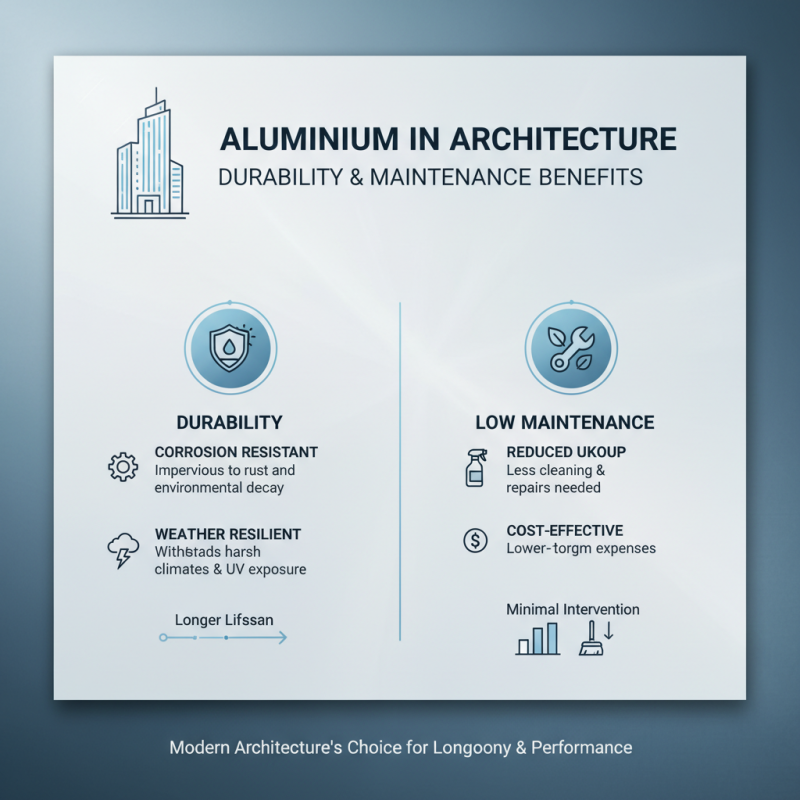
Aluminium curtain wall profiles are increasingly favored in modern architecture. They offer significant durability and low maintenance benefits. Unlike other materials, aluminium resists corrosion. This is vital for buildings exposed to varying weather conditions. They withstand harsh climates better, ensuring longevity.
One of the key advantages is their lightweight nature. This feature simplifies installation and reduces structural load. However, it is important to ensure proper installation to prevent issues, like air leaks. While aluminium does not rust, it can dent or scratch. Regular inspections can help maintain its appearance.
**Tips:**
1. Regularly check for dents or scratches on the surface.
2. Clean the profiles with a soft cloth and mild soap.
Maintaining aluminium profiles is simple yet crucial. You might need to use specific cleaners to avoid damage. Unfortunately, some cleaning agents might leave residues, requiring more effort. With proper care, aluminium can remain visually appealing for years. Each building's needs can differ. Adjust maintenance practices based on specific environmental factors for the best results.
Design Flexibility and Aesthetic Appeal of Aluminium Curtain Walls
Aluminium curtain walls offer unmatched design flexibility and aesthetic appeal in modern architecture. These structures allow architects to create unique designs that enhance a building's character. According to a report by the International Aluminium Institute, the use of aluminium in construction has increased by over 30% in recent years. This trend is driven by the material's lightweight properties and versatility.
Tips: Consider sustainability when choosing materials. Aluminium is recyclable, which can reduce your environmental impact.
The visual impact of aluminium curtain walls cannot be overstated. They provide seamless integration of glass and metal, creating stunning façades. Visual transparency can make spaces feel larger and more inviting. However, achieving this balance is challenging. Designers must meticulously plan for sunlight, glare, and thermal performance.
Tips: Always test materials in real-life conditions. This prevents costly adjustments later in the design phase.
The aesthetic appeal of aluminium curtain walls extends beyond looks. They also improve energy efficiency. With proper insulation and glazing, they can significantly reduce heating and cooling costs. Yet, architects must carefully consider weatherproofing to prevent water ingress. A flawless finish on the surface can also be compromised by poor installation practices.
Environmental Considerations and Sustainability in Aluminium Usage
Aluminium is becoming a go-to material in modern architecture. Its lightweight nature offers design flexibility while enhancing structural integrity. However, the environmental impact of aluminium production raises concerns. According to the International Aluminium Institute, producing a ton of aluminium generates about 12 tons of CO2 emissions. This fact casts a shadow over its sustainability image.
Despite these challenges, the recycling potential of aluminium is significant. Approximately 75% of aluminium produced since 1888 is still in use today. The recycling process uses only 5% of the energy needed for primary production. This stark reduction in energy consumption is a compelling argument for using recycled aluminium in curtain wall profiles. The industry should strive to prioritize recycled materials in their products.
Water consumption also poses a challenge. The production of aluminium requires substantial amounts of water, contributing to local resource depletion. A conscious effort to improve water management in manufacturing is necessary. Innovative technologies can help reduce water usage. So, while aluminium curtain walls offer design benefits, we must recognize these environmental issues and work towards sustainable solutions.
Cost-Effectiveness of Aluminium Curtain Wall Systems in Construction
Aluminium curtain wall systems have gained popularity in modern architecture for their cost-effectiveness. These systems can significantly reduce construction expenses. They are lighter than traditional building materials, which lowers transportation and installation costs. Their durability also means less frequent maintenance and replacements, saving money over time.
When evaluating the long-term costs, aluminium profiles often show their worth. They provide excellent insulation, potentially decreasing energy bills. However, one must consider the initial investment. While they are cheaper than some materials, the upfront cost can still be daunting for small projects. In certain cases, unexpected expenses arise from installation complications or modifications needed for building codes.
Moreover, sustainability plays a role in cost-effectiveness. Aluminium is recyclable, which can offset costs in the future. However, not all manufacturers prioritize eco-friendly practices. It’s essential to research the supplier's policies before purchasing. These factors make the decision complex and sometimes overwhelming, revealing that cost-effectiveness isn’t always straightforward. Choices must align with both financial and environmental considerations for the best outcome.
Cost-Effectiveness of Aluminium Curtain Wall Systems in Construction