Why Choose Aluminium Profile Wall Cladding for Your Building?
The demand for Aluminium Profile Wall Cladding is surging in the construction industry. According to a recent report by the Global Aluminium Association, the market is expected to grow by 7% annually over the next five years. This surge reflects the increasing preference for sustainability and aesthetic appeal in modern architecture.
David Thompson, an expert in building materials, states, "Aluminium Profile Wall Cladding not only enhances the visual aspect but also offers lasting protection against the elements." His insights illuminate the cladding's dual role in bolstering a building's longevity while also contributing to its exterior design.
However, it’s crucial to reflect on the challenges. While the benefits are clear, factors such as environmental impact and cost-effectiveness warrant serious consideration. The initial investment might deter some, yet the long-term advantages often outweigh this concern. As the industry evolves, the dialogue around Aluminium Profile Wall Cladding continues to foster innovation and responsibility among builders and architects alike.
Advantages of Aluminium Profile Wall Cladding in Modern Construction
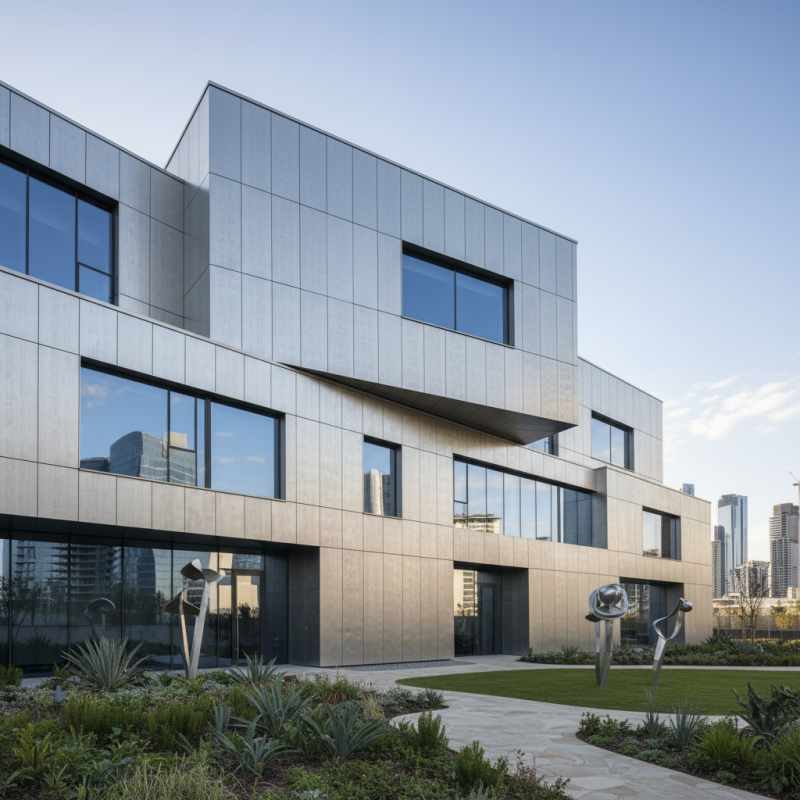
Aluminium profile wall cladding offers numerous advantages for modern construction. Its lightweight nature makes installation easier and faster. Builders appreciate this efficiency, especially on large projects. With less structural support needed, overall costs can be reduced. The sleek, modern appearance of aluminium adds a sophisticated touch to any building.
In addition, aluminium is highly durable. It withstands harsh weather conditions without warping or cracking. This long-lasting quality ensures fewer maintenance issues over time. However, it’s worth noting that improper installation can lead to problems down the line. Careful planning and execution are essential for optimal performance.
The material is also eco-friendly, being fully recyclable. This sustainability aspect appeals to many architects and builders today. However, some may overlook the energy required in its production. It’s a crucial factor to consider. Despite this, the benefits often outweigh such concerns, making aluminium cladding a popular choice.
Durability and Weather Resistance of Aluminium Wall Cladding Solutions
Aluminium profile wall cladding is gaining popularity due to its remarkable durability. This material can withstand harsh weather conditions. Rain, snow, and extreme temperatures are no match for it. Unlike wood or vinyl, aluminium resists warping and cracking. This means lower maintenance costs over time. Buildings clad in aluminium often maintain their aesthetic appeal longer.
Weather resistance is another key benefit. Aluminium is resistant to corrosion, which is especially important in coastal areas. High humidity can damage other materials, but not aluminium. It retains its integrity and appearance, even in challenging environments. Building owners often find peace of mind in knowing their exterior will last. However, it's essential to choose a quality installation process. Poor installation can still lead to issues like water penetration.
Despite its benefits, some may find aluminium's impact on thermal efficiency concerning. Proper insulation is necessary to combat any heat loss. This is an area worth reflecting on. Addressing insulation during installation ensures optimal performance. Overall, aluminium profile wall cladding offers an attractive solution for modern buildings, provided that installation is handled thoughtfully.
Why Choose Aluminium Profile Wall Cladding for Your Building? - Durability and Weather Resistance of Aluminium Wall Cladding Solutions
| Feature |
Benefit |
Durability Rating (Years) |
Weather Resistance |
Maintenance Level |
| Corrosion Resistance |
Long-lasting appearance |
40+ |
Excellent |
Low |
| Fire Resistance |
Enhanced safety |
30+ |
Good |
Medium |
| Insulation Properties |
Energy efficiency |
25+ |
Moderate |
Low |
| Visual Appeal |
Modern aesthetics |
Indefinite |
Excellent |
Low |
| Sustainability |
Recyclable material |
Indefinite |
Excellent |
Low |
Aesthetic Flexibility: Design Options with Aluminium Cladding
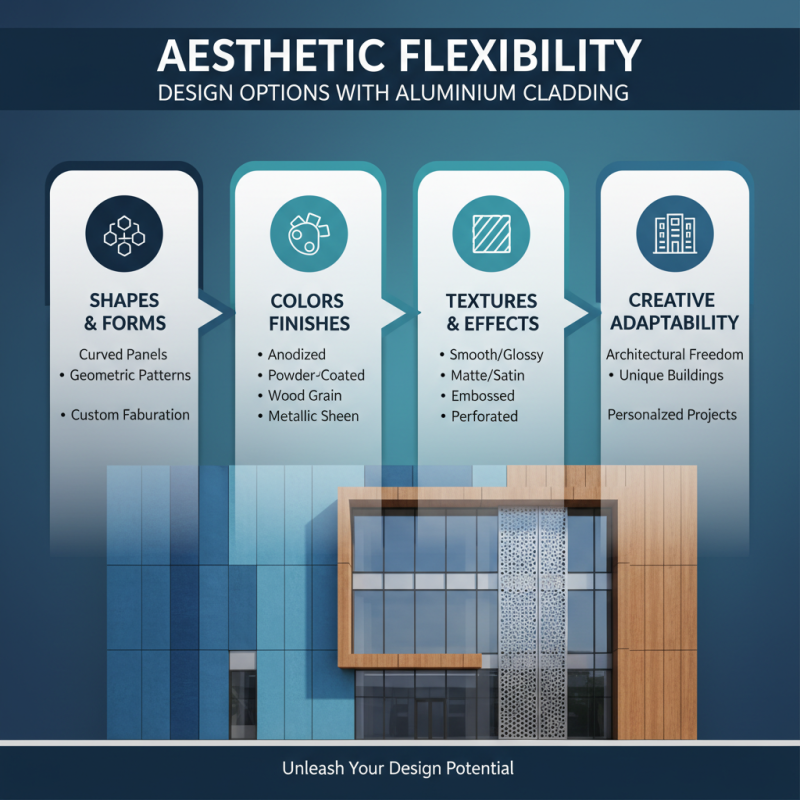
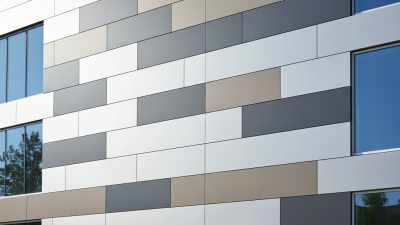
Aluminium profile wall cladding offers remarkable aesthetic flexibility. It can be shaped into various designs, colors, and textures. This adaptability allows architects to unleash their creativity. Imagine a building that stands out for its unique charm. The wide selection lets you personalize your project.
Different finishes can transform an ordinary wall into a striking feature. Metallic, matte, or even wood-like appearances are all options. You can also play with pattern arrangements. Each design choice contributes to the overall impact. The right cladding can enhance the visual appeal of any structure.
However, it is important to consider the balance between aesthetics and functionality. Sometimes, striking designs can become impractical. Maintenance may be a concern with certain finishes. Reflecting on these aspects is essential for achieving a lasting result. While aluminium cladding has many advantages, careful thought about its application can prevent future complications.
Cost-Effectiveness and Sustainability of Aluminium Profiles in Building
Aluminium profiles for wall cladding bring a blend of cost-effectiveness and sustainability. They are lightweight yet strong, making installation easier and quicker. This can save on labor costs significantly. For those looking to reduce expenses without sacrificing quality, aluminium profiles are a great choice.
Sustainability is key in modern construction. Aluminium is highly recyclable, which minimizes environmental impact. The production process is improving, but using recycled aluminium can lower energy consumption. Some argue that aluminium production has its drawbacks. However, when repurposed, it can contribute to a circular economy. It's vital to weigh these factors when selecting building materials.
The aesthetic appeal of aluminium profiles is undeniable. They offer a sleek, modern look that enhances any structure. However, footprint and thermal performance are areas for further exploration. In some climates, additional insulation may be needed. Overall, the benefits of cost-effectiveness and sustainability make aluminium profiles a worthy consideration in building design.
Installation and Maintenance Considerations for Aluminium Wall Cladding
Aluminium wall cladding offers a blend of durability and aesthetic appeal.
However, proper installation is crucial. A study conducted by the Building Research Establishment noted that over
15% of cladding installations face issues due to poor workmanship.
It's vital to ensure that the panels are securely fixed and sealed to avoid gaps that could lead to moisture infiltration.
Maintenance is another critical consideration. Aluminium cladding is generally low-maintenance,
but it isn't maintenance-free. Regular inspections are necessary. According to industry experts, cladding should be cleaned at least
once a year. This prevents buildup of dirt and contaminants that can affect its appearance.
Some buildings might require more frequent maintenance due to environmental conditions.
While aluminium is resistant to corrosion, it can still suffer from surface scratching and wear over time. Data shows that around
20% of cladding materials show signs of wear within the first five years.
This raises concerns about longevity and value. Using high-quality coatings can mitigate these issues, but it's essential to choose wisely,
as not all solutions are effective.