2026 How to Choose the Right Aluminium Heat Sink Bar for Your Project?
When it comes to selecting an Aluminium Heat Sink Bar for your project, many factors come into play. Heat dissipation is crucial for maintaining the performance and lifespan of electronic components. The right heat sink can prevent overheating and ensure optimal functionality.
There are various designs and sizes of Aluminium Heat Sink Bars available. It can be overwhelming to choose the best one. Consider the specific application requirements. Do you need a compact design or a wider base? These details greatly impact cooling efficiency.
Don’t overlook the importance of thermal conductivity, as not all aluminium materials perform equally. Finding the right fit may require some trial and error. Reflect on your project's unique needs to make an informed decision. Ultimately, a thoughtful choice can greatly enhance your project's success.
Understanding the Role of Aluminium Heat Sinks in Thermal Management
Aluminium heat sinks play a vital role in thermal management for many electronic devices. By dissipating heat away from critical components, they help prevent overheating. This is essential for maintaining optimal performance and extending the lifespan of devices. The efficiency of a heat sink depends on its design and material properties.
When selecting an aluminium heat sink bar, consider factors like size and surface area. A larger surface area can enhance heat dissipation. However, it may not always fit your project's constraints. Balancing heat sink performance with design requirements is often a challenge.
Another aspect to think about is the mounting style. Some heat sinks are simple to attach, while others complicate installation. A often overlooked detail is the thermal interface material. It can significantly affect heat transfer efficiency. Ignoring proper application may lead to less effective cooling. This can become a costly oversight in the long run. Ultimately, making the right choice requires careful consideration and sometimes, trial and error.
Key Factors to Consider When Selecting an Aluminium Heat Sink Bar
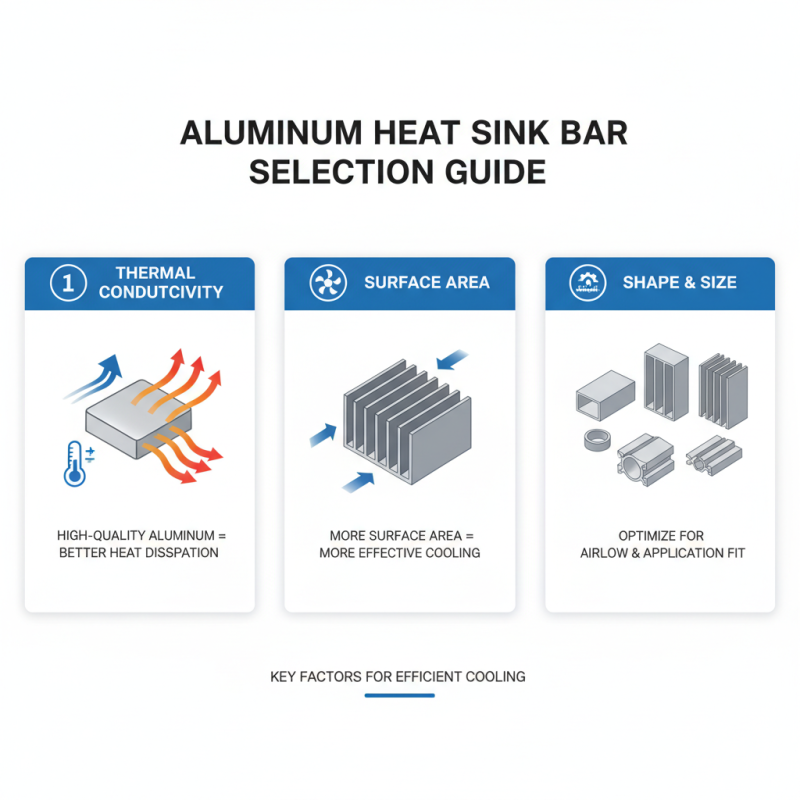
When selecting an aluminium heat sink bar, several key factors come into play. The most critical factor is thermal conductivity. This property determines how effectively your heat sink dissipates heat. High-quality aluminium has better conductivity. Look for bars with a good ratio of surface area to volume. A greater surface area allows for more effective cooling.
Size and weight should also be considered. Make sure the heat sink fits within your project's dimensions. Overly large heat sinks can complicate design and layout. Conversely, too small may not provide adequate cooling. Balance is essential.
Tips: Always check the manufacturer's specifications for efficiency ratings. Sometimes, products may look similar but perform differently. Test your chosen bar in a controlled environment before finalizing your design. This step ensures it meets your project's thermal management requirements.
Don’t forget about the finishing process. Anodization can enhance thermal performance and protect against corrosion. While this can add cost, it may save money long-term by improving durability.
In the end, choosing the right aluminium heat sink bar involves careful analysis of these factors. Each project is unique, and no single solution fits all. Adjust your selection process as needed based on practical outcomes.
Types of Aluminium Heat Sink Bars and Their Applications
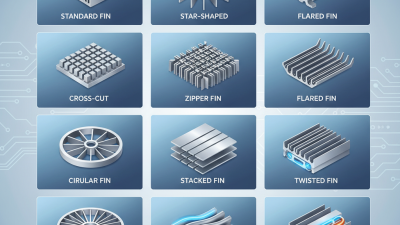
When selecting aluminium heat sink bars, understanding types and applications is crucial. There are primarily two styles: extruded and forged heat sinks. Extruded heat sinks have a straightforward manufacturing process. They are lightweight and cost-effective, making them popular for various projects. Forged heat sinks offer superior thermal performance due to their dense structure. However, they can be more expensive and not always necessary.
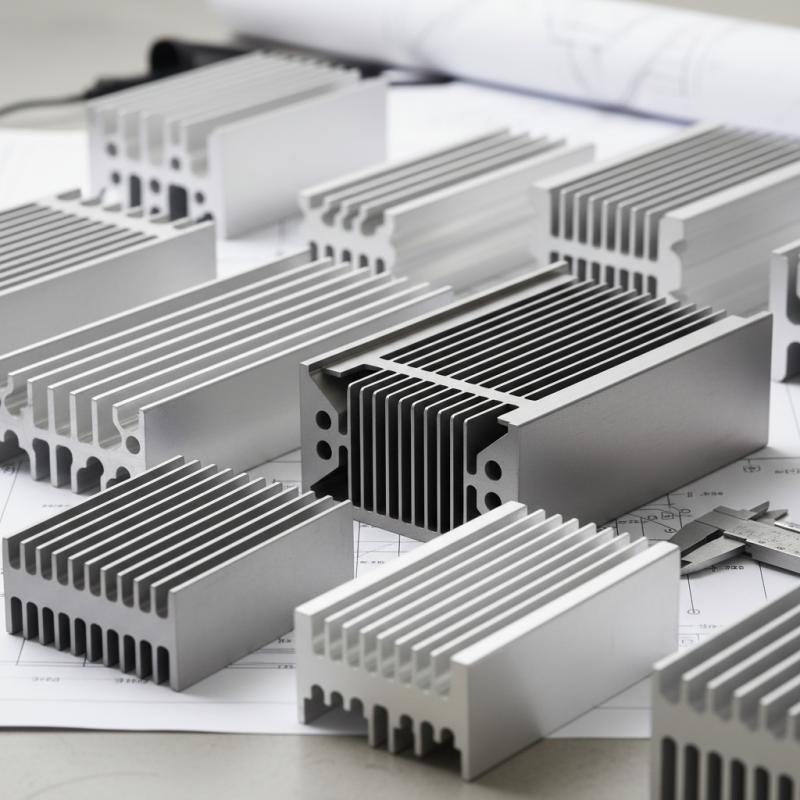
Different applications require specific designs. For instance, electronics cooling often utilizes finned profiles. These designs increase surface area, enhancing airflow and heat dissipation. In contrast, compact spaces may benefit from a flat design. Over time, users sometimes overlook optimizing their heat sinks. This can lead to suboptimal cooling performance. Continuous reflection on your design choices may yield better results.
Selecting the right type is a balancing act. Consider space, thermal requirements, and budget constraints. Some users choose based solely on initial costs, which might cause long-term issues. It’s essential to evaluate the entire project rather than just the individual components. Modify your heat sink choice based on the project's changing needs. This flexibility can ultimately improve your project's success.
2026 Aluminium Heat Sink Bar Selection Guide
This chart illustrates the different types of aluminium heat sink bars along with their respective thermal performance in watts. The selection of the appropriate heat sink is crucial for efficient thermal management in various applications.
Calculating the Required Heat Dissipation for Your Project Needs
When selecting the right aluminium heat sink bar, calculating required heat dissipation is crucial. This process begins with understanding the power dissipation of your components. For instance, a high-performance LED may dissipate around 3-5 watts per square centimeter. Accurate calculations are necessary to ensure effective thermal management. A well-designed heat sink can reduce operating temperatures by 20-30 degrees Celsius, preventing component failures.
Tips for achieving accurate calculations include measuring the maximum allowable temperature for your components. This figure is often found in the technical specifications. Another aspect is the ambient temperature - it affects how much heat your sink can dissipate. Keep in mind that a heat sink is most effective when there is good airflow. Poor airflow can impede performance and lead to hot spots.
Remember, the geometry of your heat sink matters. The extruded profiles can vary greatly, with specific surface area influencing efficiency. Some shapes offer better thermal conduction; others may fall short. Reviewing industry studies can provide insights into effective designs. Don't disregard thermal interface materials, either—they can significantly impact thermal conductivity. A study showed that using the right interface material can improve heat transfer by up to 50%.
Evaluating Cost vs. Performance in Aluminium Heat Sink Selection
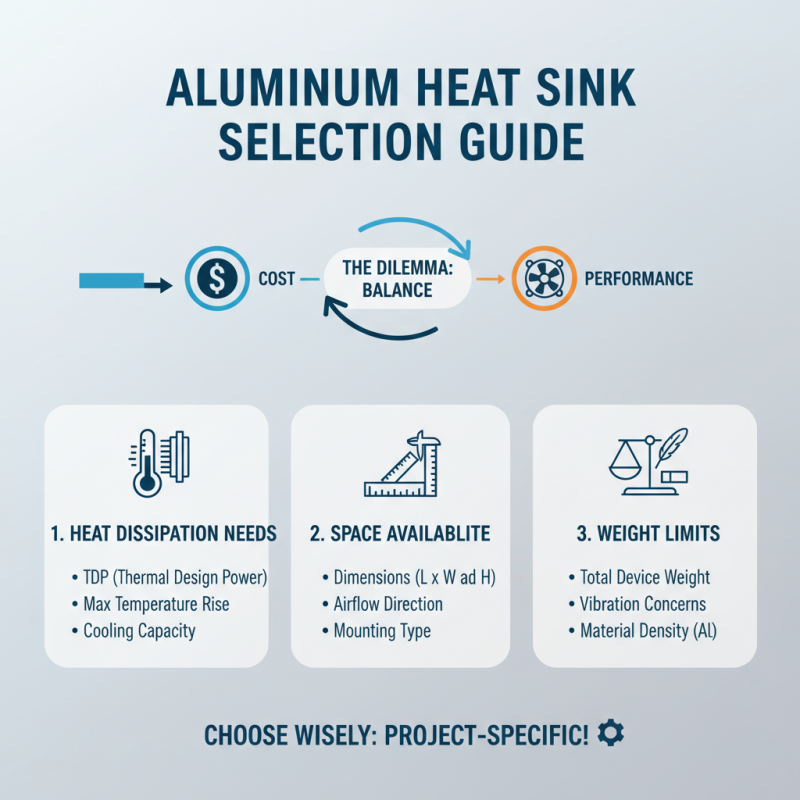
When selecting an aluminium heat sink, cost and performance must be balanced. A high-performance heat sink can be expensive, yet cheaper options might not perform well. This creates a dilemma. Pay attention to the specific requirements of your project. Heat dissipation needs, space availability, and weight limits all factor in.
Tips: Always consider the thermal conductivity of the aluminium. Higher conductivity often translates to better performance. However, it may also increase the initial costs.
Evaluate the design as well. Simple designs may be cheaper upfront. Yet, they might require additional components to function effectively. Sometimes, the cheapest option leads to higher long-term costs. Think critically about your choices.
Consider user feedback and real-world performance data. In many cases, theoretical specifications don’t tell the entire story. Actual usage might reveal flaws. Finding a balance between cost and performance is a continuous learning process. It may require adjustments along the way.