How to Choose the Right Aluminium Extrusion Accessories for Your Project?
Choosing the right Aluminium Extrusion Accessories is crucial for the success of your project. These components play a pivotal role in ensuring structural integrity and functionality. With a wide variety of options available, understanding their features and applications is essential.
When selecting Aluminium Extrusion Accessories, consider the specific requirements of your project. Each accessory serves a unique purpose, whether it's enhancing stability, ease of assembly, or aesthetic appeal. It's easy to overlook these details, but doing so can lead to significant project setbacks.
Don't rush the decision-making process. Seek expert opinions and evaluate multiple suppliers. A careful assessment will help you avoid costly mistakes. Remember, the right accessories not only improve performance but also ensure longevity. Balancing quality and cost is essential, and sometimes, less is more.
Understanding Aluminium Extrusion Accessories and Their Importance
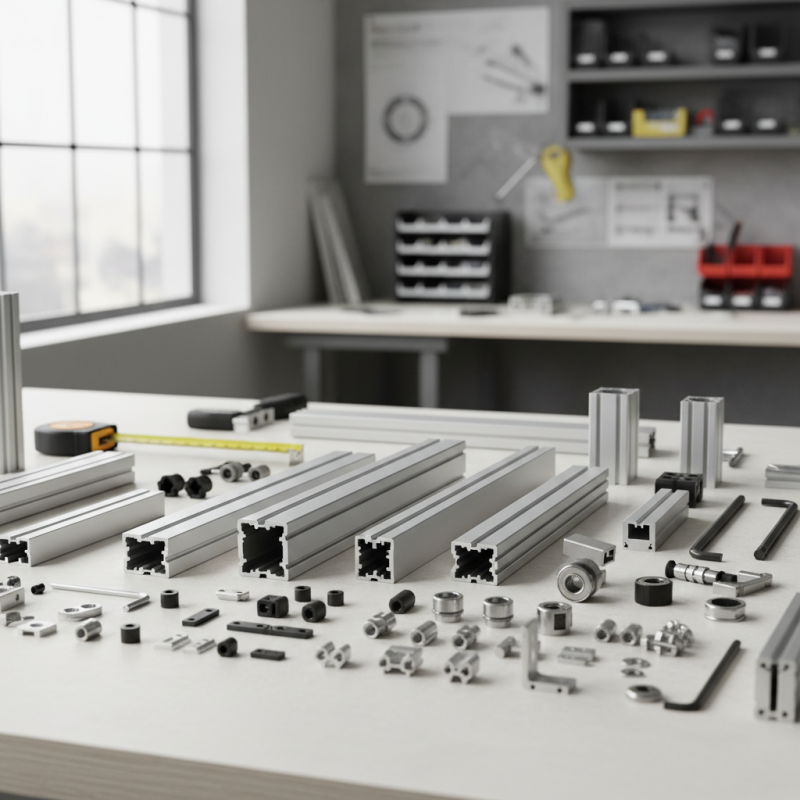
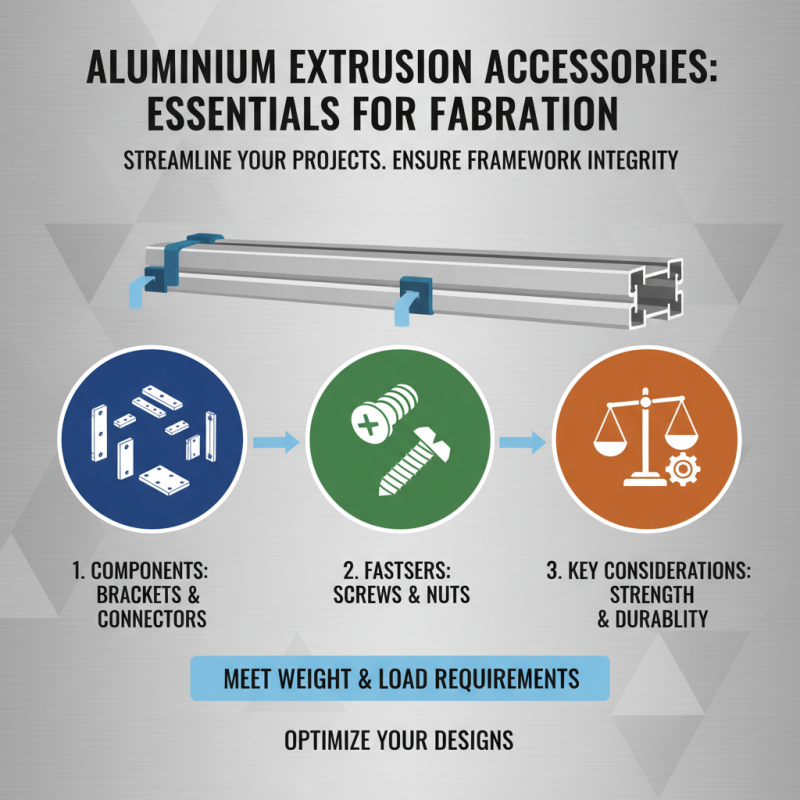
Aluminium extrusion accessories play a crucial role in various projects. Understanding their significance can streamline your fabrication process. Accessories include brackets, connectors, and screws, all designed to ensure framework integrity. When selecting these components, think about strength and durability. Each accessory must meet specific weight and load requirements.
However, choosing the right accessory isn’t always straightforward. Misunderstanding dimensions can lead to fitting issues. It's easy to overlook the compatibility between parts. Pay attention to design details, as they will impact assembly and stability. Sometimes, a seemingly minor accessory can become a weak link.
Consider testing options before finalizing your choice. This allows for adjustments that can improve overall performance. Gathering feedback from experienced colleagues can also provide valuable insights. Documenting the installation process helps identify any potential pitfalls. By refining your approach, you can enhance both functionality and reliability in your aluminium extrusion projects.
Identifying Your Project Requirements and Specifications
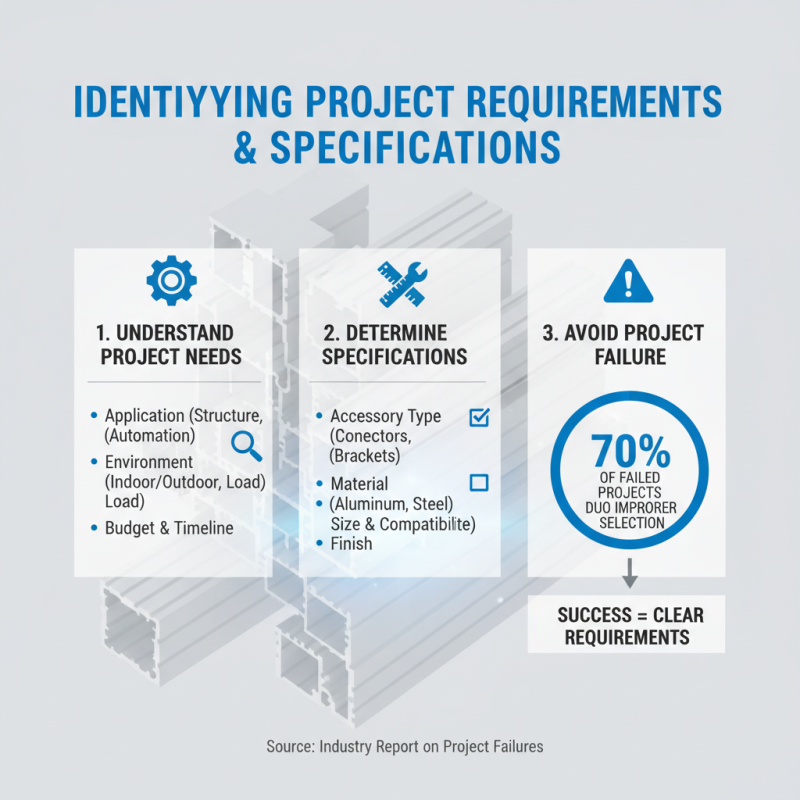
When selecting aluminium extrusion accessories, understanding your project requirements is vital. Each project has unique specifications that influence the choice of accessories. According to a recent industry report, nearly 70% of failed projects can be attributed to improper accessory selection. This statistic underscores the necessity of clear identification of needs before proceeding.
Consider the application and environment where the extrusions will be used. For instance, an outdoor project needs accessories that can withstand UV exposure and moisture. Reports indicate that corrosion-resistant fittings are essential in environments with high humidity. Evaluating strengths, load capacities, and thermal considerations can lead to better accessory choices, thereby enhancing structural integrity.
Lastly, reviewing the compatibility of accessories with your specific aluminium profiles is crucial. Many projects overlook this, leading to assembly difficulties. Industry data show that almost 40% of project delays stem from this issue. Ensuring the right fit can save time and resources, proving that detailed assessment pays off in the long run.
Exploring Different Types of Aluminium Extrusion Accessories
Aluminium extrusion accessories come in various types, each serving specific functions. Understanding these types is crucial for selecting the right components for your project. Common accessories include brackets, connectors, and end caps. According to industry reports, choosing the appropriate accessories can enhance the structural integrity of your design by up to 35%.
Brackets provide essential support for framework and allow for easy assembly. They come in numerous shapes and sizes, achieving flexibility in design. Connectors enable the joining of multiple extrusions, ensuring a strong connection that can withstand stress. Research indicates that durable connectors reduce potential failures by 25%. End caps, though simple, play a vital role in preventing dirt and moisture from entering the extrusion profiles, contributing to longevity.
Despite the availability of various accessories, not all are compatible or necessary for every application. It's important to assess the specific needs of your project. A miscalculation in choice may lead to structural weaknesses or increased costs. Regular evaluation of your design and intended function can clarify the required accessories, ultimately leading to a more efficient project outcome.
How to Choose the Right Aluminium Extrusion Accessories for Your Project?
| Accessory Type |
Description |
Applications |
Material |
| End Caps |
Used to close the ends of extrusion profiles for a clean finish. |
Furniture, Frames, Displays |
Plastic, Aluminium |
| Brackets |
Supports and joins extrusion sections together. |
Shelving, Signage, Structural Frameworks |
Steel, Aluminium |
| Corner Connectors |
Join two extrusion profiles at a right angle. |
Display Stands, Workstations |
Aluminium, Plastic |
| T-Slots |
Allows for versatility in connecting accessories at any point along the profile. |
Robotic Equipment, Assembly Lines |
Aluminium |
| Spacers |
Keeps profiles spaced at desired intervals to ensure stability. |
Shelving, Racks |
Plastic, Nylon |
Evaluating Quality and Compatibility of Accessories
When selecting aluminium extrusion accessories, quality and compatibility are crucial. Quality ensures your project will last. Look for materials that resist corrosion and wear. Check for precise dimensions as this affects assembly. Defects can lead to failures, so inspect parts before purchasing.
Compatibility is equally important. Ensure accessories fit your specific extrusions. Mismatched components can waste time and resources. Check pin and slot sizes. Verify if the accessories suit your project’s requirements. Sometimes, suppliers provide guides for this.
Consider sourcing from reputable suppliers known for their quality control. Reading user reviews can reveal hidden issues. Don't rush the decision; mistakes here can be costly. Reflect on your project’s needs and choose wisely.
Aluminium Extrusion Accessories Quality Evaluation
Making Informed Decisions: Cost vs. Performance for Accessories
When selecting aluminium extrusion accessories, understanding the balance between cost and performance is crucial. Industry reports indicate that about 70% of projects falter due to improper accessory choices. Cheap accessories may save money now, but they often lead to higher maintenance costs later. For example, low-grade connectors can compromise structural integrity, resulting in project delays.
A study from the Aluminium Association shows that investing in quality accessories can reduce failure rates by up to 30%. This reduction not only enhances the lifespan of the project but also minimizes unforeseen expenditures. While high-performance accessories might seem expensive, their durability often offsets the initial costs. However, it's essential to evaluate the specific needs of your project. Not every application demands top-tier accessories.
Balancing quality and cost can be complex. Project managers should consider material specifications and expected loads. Engaging with industry experts can provide insights into performance expectations. Relying solely on price can be misleading. Sometimes, a slightly higher investment yields significant long-term savings. Each choice should align with the project’s overall goals, ensuring both performance and budgetary constraints are met.