How to Choose the Right Aluminium Heat Sink Bar for Your Project?
Selecting the right Aluminium Heat Sink Bar for your project can be challenging. Renowned thermal management expert Dr. Emily Carter states, “Choosing the right heat sink can significantly enhance performance.” Understanding this choice is crucial for effective heat dissipation in various applications.
Aluminium Heat Sink Bars play a vital role in electronics, automotive, and HVAC systems. They transfer heat away from critical components, ensuring longevity and efficiency. Your project’s requirements vary; factors like size, shape, and thermal conductivity are essential. These need careful consideration to avoid overheating issues and optimize functionality.
Many projects fail due to poor heat sink selection. Reflecting on your project’s needs is important. Each device has unique cooling requirements, and one size does not fit all. Engage with suppliers, and consider their insights. This approach helps in identifying the best Aluminium Heat Sink Bar tailored to your specific needs.
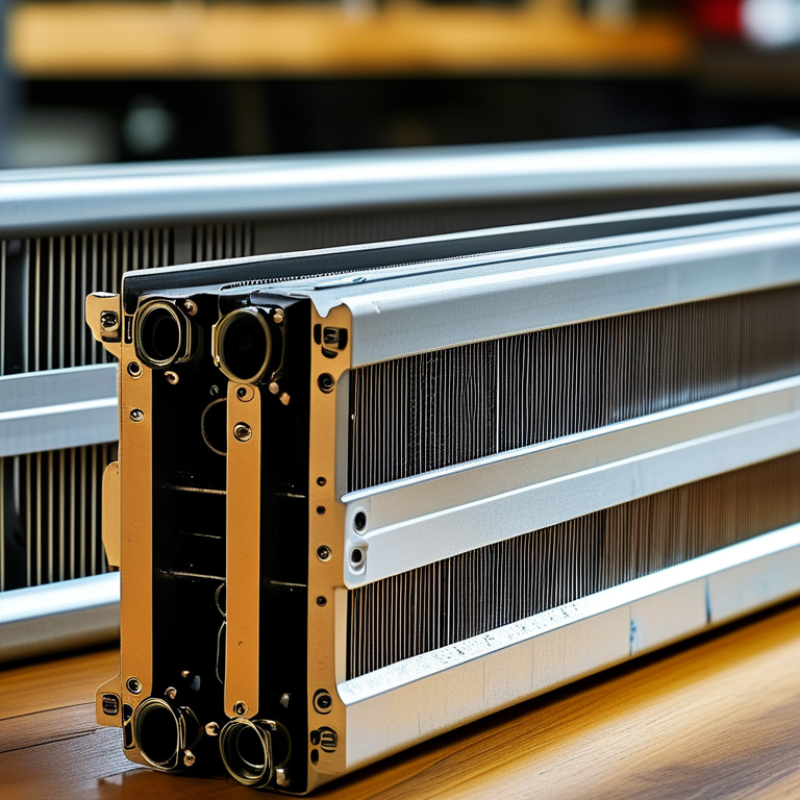
Identify the Heat Dissipation Requirements of Your Project
When selecting an aluminium heat sink bar, understanding the heat dissipation requirements of your project is crucial. Heat dissipation is paramount in electronics to prevent overheating. Reports indicate that electronic devices can fail if temperatures exceed 85°C. Knowing your device’s thermal budget helps in making informed choices.
To determine the right heat sink, calculate the heat generated by your components. For example, a 10W component requires effective heat transfer to maintain optimal performance. Match the heat sink’s thermal resistance to your output power. The ideal thermal resistance can be calculated using the formula: Rθ = (Tmax - Ta) / P. Here, Tmax is the maximum temperature, Ta is ambient temperature, and P is the power in watts.
Select heat sinks with a higher surface area for enhanced performance. They can improve efficiency in heat dispersion. Consider the airflow around the heat sink as it greatly influences cooling.
To ensure proper heat management, monitor your project's temperature regularly. Testing under different operating conditions provides insights into performance. Maintain a balanced approach to design, factoring in both size and efficiency. An overly bulky heat sink might hinder your project’s design, while a small one may not meet thermal needs adequately.
Understand Different Types of Aluminium Heat Sink Bars Available
When selecting an aluminium heat sink bar for your project, understanding the various types available is crucial. There are extruded heat sinks, which offer excellent surface area for heat dissipation. They are often utilized in applications that require significant cooling. According to a report by the International Heat Transfer Society, extruded heat sinks can improve thermal performance by up to 40%. This makes them a popular choice in electronics cooling.
Another type is the stamped heat sink, which is cost-effective for high-volume applications. Stamped heat sinks can be less efficient in performance compared to extruded ones. However, they can still be suitable for products where space and budget are constraints. An industry analysis highlighted that stamped designs might save up to 30% in manufacturing costs.
Lastly, finned heat sinks are designed with extended surfaces to maximize cooling. The effectiveness of finned designs can vary significantly based on the fin spacing and height. Research indicates that optimizing these parameters can enhance thermal efficiency by more than 25%. Choosing the right type depends on balancing performance requirements, manufacturing capabilities, and budget constraints. Understanding each type's characteristics can help avoid costly mistakes in your project's design phase.
Evaluate the Size and Shape Considerations for Heat Sink Selection
When selecting an aluminium heat sink bar for your project, size and shape are critical factors. The dimensions directly influence the heat dissipation performance. A larger surface area often provides better cooling efficiency. However, a balance is required; too large may complicate installation or disrupt airflow.
Consider the intended application as well. For compact electronics, a slim design might be essential. In contrast, larger machinery may accommodate bulkier heat sinks. The choice should reflect the thermal requirements and physical constraints of your project.
It's important to think about how the heat sink interacts with surrounding components. Misalignment can lead to inadequate cooling. A thorough review of the layout can prevent overlooking potential issues. A design review may reveal areas for improvement, ensuring optimal heat management. Involving team members in this discussion can enhance your approach, leading to better outcomes.
Assess the Thermal Conductivity and Material Quality of Aluminium
When selecting an aluminium heat sink bar, thermal conductivity and material quality are paramount. Aluminium is known for its excellent thermal conductivity, which helps to dissipate heat effectively. When evaluating heat sinks, focus on the alloy type and thickness. Certain alloys offer better performance due to added elements that enhance heat transfer. Ensure that the material is high-quality by checking certifications and reputable sources.
A key factor in selecting the right heat sink is the design. The shape and fin structure can significantly impact performance. A larger surface area allows for greater heat dissipation. Pay attention to the texture; a rougher surface can improve thermal contact with attached components. Additionally, consider the environment in which the heat sink will be used. Certain designs perform better under specific conditions.
Consider alternative designs or models if the standard options do not meet your project's needs. Experimenting with different sizes and configurations may yield better results than expected. Sometimes, a simpler design can provide adequate cooling without excessive complexities. Staying informed on recent innovations in heat sink technology can also provide insights into new materials and designs that improve efficiency.
How to Choose the Right Aluminium Heat Sink Bar for Your Project? - Assess the Thermal Conductivity and Material Quality of Aluminium
| Heat Sink Model |
Material Quality |
Thermal Conductivity (W/mK) |
Dimensions (mm) |
Weight (g) |
Application |
| Model A |
6063 Aluminium |
200 |
100 x 50 x 5 |
150 |
LED Lighting |
| Model B |
6061 Aluminium |
205 |
120 x 60 x 8 |
200 |
Power Supply |
| Model C |
7075 Aluminium |
190 |
80 x 40 x 6 |
120 |
Computer Hardware |
| Model D |
A356 Aluminium |
210 |
150 x 80 x 10 |
250 |
Industrial Equipment |
Consider Cost, Availability, and Supplier Reputation for Your Choice
Choosing the right aluminium heat sink bar involves careful consideration of cost, availability, and supplier reputation. Research indicates that about 40% of project delays result from sourcing issues. Selecting a reliable supplier can minimize this risk. Look for suppliers that provide detailed product specifications and have a proven track record. Industry reports highlight that reputable suppliers often have lower defect rates, which can significantly impact project success.
Cost is another crucial factor. Aluminium prices fluctuate based on market demand and production rates. As of late 2023, the average price for aluminium heat sinks ranges from $2.50 to $6.00 per kilogram. Balancing cost with quality is essential. Cheaper options may compromise performance, leading to overheating and potentially damaging connected components.
When choosing a supplier, seek feedback from other professionals in your industry. This insight can guide your decision. Additionally, evaluate inventory levels to ensure your supplier can meet your project's demands without delays.
Consider using local suppliers. They often have quicker delivery times and lower shipping costs. However, ensure they maintain high-quality standards. Keep an eye on supplier ratings and recent customer reviews. Always verify claims through third-party sources to avoid issues later in your project.
Aluminium Heat Sink Bar Selection Criteria