How to Choose Aluminium Profile Wall Cladding for Your Project?
Choosing the right Aluminium Profile Wall Cladding for your project can be a daunting task. It's essential to consider various factors to ensure it meets your needs. There are numerous options available, each with unique features and aesthetics.
The choice of Aluminium Profile Wall Cladding directly affects the look and feel of your space. For instance, some profiles offer superior thermal insulation. Others provide a modern, sleek appearance that captivates. However, balance is important. You might find a beautiful option that lacks durability or weather resistance. Don’t overlook long-term performance.
Researching different profiles helps inform your decision. Comparing textures, colors, and finishes can prevent regrettable choices later. Enhancing your project should be rewarding, but it can also be frustrating. Carefully weigh the pros and cons. Ask for samples to envision the final result accurately. Ultimately, the right selection will blend functionality and style, enhancing your project’s value.
Understanding Aluminium Profiles for Wall Cladding Options
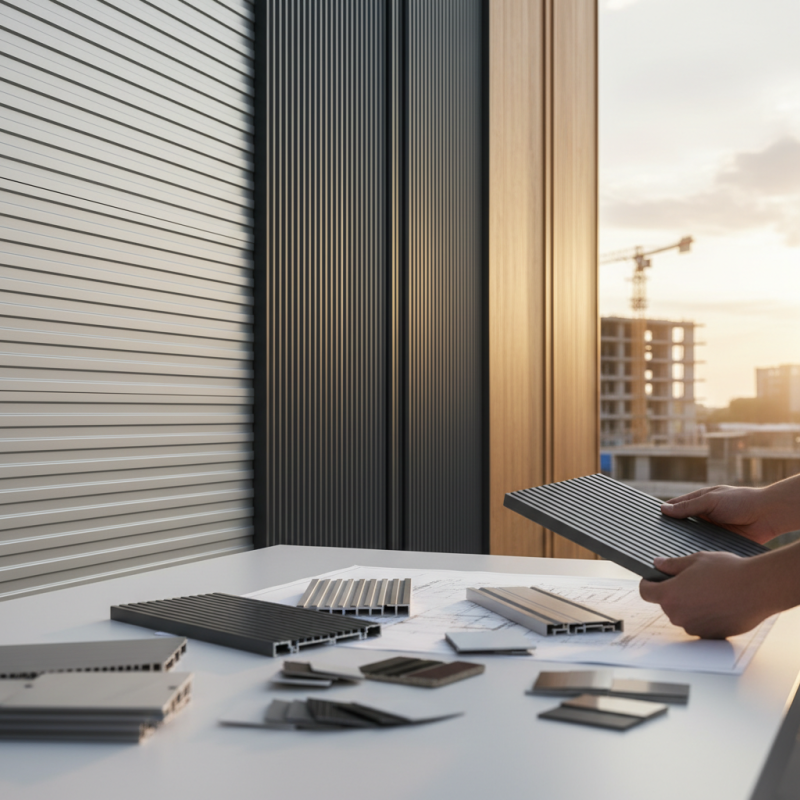
Aluminium profiles are increasingly popular for wall cladding. They offer a unique combination of durability and aesthetic appeal. Choosing the right profile for your project can be challenging. It's essential to understand the various shapes and sizes available. This will help in creating the desired look while ensuring longevity.
Consider the installation process too. Some profiles are easier to work with than others. For instance, a snap-on profile can save time during installation. On the other hand, some profiles might require more precise measurements. Reflecting on the intricacies can lead to better choices. Assess your team’s skills and the tools at your disposal. If you're new, opting for simpler profiles may be wise.
Color and finish are also key aspects. Aluminium profiles come in a range of colors and finishes. However, choosing one that complements your building’s design is crucial. Some finishes may fade over time, which could lead to unexpected costs. Reflect on the long-term implications. Will the initial choice still look good years down the line? Each decision plays a significant role in the project's outcome.
Evaluating Project Requirements and Specifications
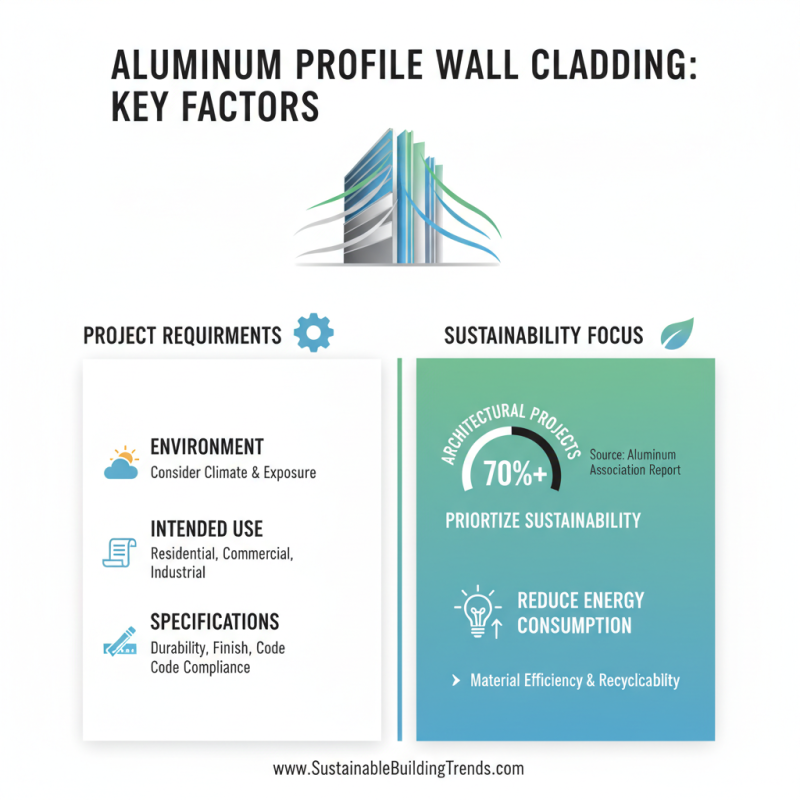
When choosing aluminium profile wall cladding, project requirements play a crucial role. Specifications should consider the environment and intended use. For instance, according to a report by the Aluminum Association, over 70% of architectural projects focus on sustainability. This trend emphasizes the need for materials that reduce energy consumption.
Understanding the project’s exposure to elements is essential. In regions with high humidity or coastal areas, protective coatings become vital. Studies indicate that aluminium cladding can last up to 50 years with proper maintenance. Yet, it's crucial to balance that lifespan with installation costs and design aesthetics. Sometimes, low-cost options might come at the expense of durability.
Incorporating local building codes is necessary. Not every design meets these standards, which can lead to costly revisions. Unexpected challenges can arise during installation. For example, inconsistent panel sizes may affect the overall appearance. Reflecting on these aspects helps in making a well-informed choice for aluminium cladding.
Analyzing Climate and Environmental Considerations
Choosing the right aluminium profile wall cladding for your project involves multiple considerations. Climate and environmental factors play a crucial role. The local weather significantly impacts the performance of the cladding. For instance, areas with heavy rainfall or humidity may require coatings that resist corrosion. In contrast, arid regions might necessitate materials that withstand high temperatures.
It's essential to evaluate sustainability as well. The production of aluminium affects the environment. Look for profiles that offer recycled content. These options are proving beneficial for reducing carbon footprints. Additionally, consider the energy efficiency of your cladding choice. Well-insulated materials can lower energy costs and improve comfort levels.
Selecting cladding should not focus solely on aesthetics. Performance in various weather conditions is paramount. For example, materials that look great may not hold up against UV exposure. Reflect on past projects and how materials performed over time. Small details, like drainage systems, can prevent bigger problems later. Careful consideration of the environmental aspects can lead to better choices overall.
Analysis of Aluminium Profile Wall Cladding Performance Based on Climate Conditions
Comparing Aesthetic and Functional Aspects of Aluminium Cladding
When selecting aluminium profile wall cladding, aesthetic appeal and functionality are critical. Aluminium cladding offers a modern look with a sleek finish. Its wide range of colors and textures allows flexibility in design. However, striking a balance between appearance and utility is essential. A flashy design might attract attention, but consider its durability.
Functionality should not be overlooked. Good cladding must resist weather elements and require minimal maintenance. While a bright finish may look enticing, fading can occur over time. Think about how the cladding interacts with light. Good reflective properties can enhance energy efficiency. Yet, too much reflection could introduce glare.
Ultimately, what fits one project may not suit another. Always reflect on your specific needs. In some cases, the most beautiful option could compromise performance. Choosing wisely involves a blend of preference and practicality. Stay aware of how cladding will perform over time. Weigh these factors carefully to find the right aluminium profile wall cladding for your project.
Budgeting and Sourcing Quality Aluminium Cladding Materials
When budgeting for aluminium profile wall cladding, careful planning is essential. A report by Research and Markets indicates that the global aluminium cladding market is projected to reach $47 billion by 2025. This growth is driven by the demand for energy-efficient materials and durable building solutions. Investors should be aware of fluctuating prices, as raw material costs can vary significantly.
Sourcing quality materials can be a challenge. Not all suppliers maintain the same standards. Choosing the right supplier can impact both cost and quality. A detailed assessment of suppliers is crucial. Look for certified materials that meet building codes. Market surveys reveal that 30% of projects face delays due to sourcing issues. This statistic highlights the need for proactive planning and solid supplier relationships.
Consider the lifecycle cost of materials, not just the upfront price. While cheaper options may save money initially, they could require more maintenance. It’s essential to balance immediate budget constraints with long-term durability. Reflect on your choices to avoid potential pitfalls. A thoughtful approach will lead to a successful project outcome.