Why Choose Aluminium Profiles For Doors And Windows?
Aluminium profiles for doors and windows have become an essential choice in modern construction. According to a report by Research and Markets, the aluminium extrusion market is expected to reach USD 117.72 billion by 2027, growing steadily at a CAGR of 6.6%. This indicates a robust uptake of aluminium materials, largely driven by their versatile applications and sustainability benefits.
These profiles demonstrate remarkable strength-to-weight ratios. Their durability makes them well-suited for high-traffic areas and extreme weather conditions. A study by the Aluminium Association indicates that aluminium can last over 50 years when maintained properly. Despite these advantages, some projects require careful design considerations to avoid thermal bridging, a potential drawback for energy efficiency.
Incorporating aluminium profiles for doors and windows not only enhances aesthetic appeal but also contributes to energy-saving designs. Research shows that buildings with high-performance windows reduce energy costs by up to 30%. Choosing aluminium is not without challenges—proper installation and handling are crucial to maximizing their benefits. Understanding these factors leads to more informed decisions in architectural design.
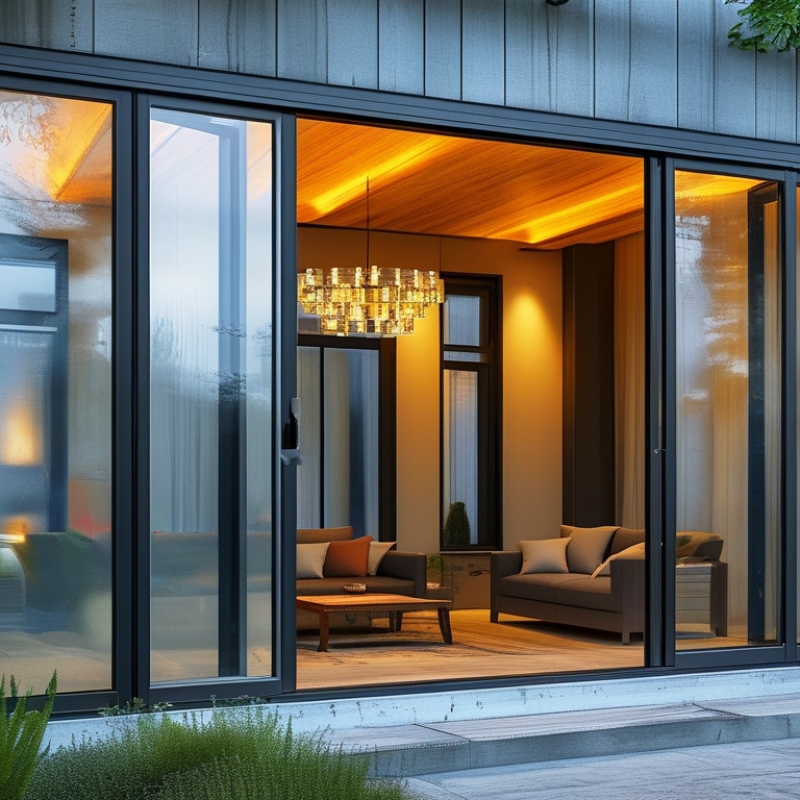
Benefits of Aluminium Profiles in Architectural Design
Aluminium profiles have gained prominence in architectural design due to their unique properties. They are lightweight yet strong, offering durability in various climates. A study by the Aluminium Association indicates that aluminium can last over 50 years with minimal maintenance. This longevity is a critical factor for designers aiming for sustainable solutions.
Additionally, aluminium profiles are versatile. They can be molded into intricate shapes and custom finishes, appealing to diverse design aesthetics. This adaptability allows architects to push boundaries, creating innovative structures. According to the International Aluminium Institute, the use of aluminium in buildings can reduce overall energy consumption by up to 30%.
Challenges do exist. While aluminium is resistant to corrosion, the finishing can affect its resilience. Choosing the right coating is crucial. Furthermore, the initial cost may be higher than alternatives, potentially deterring some projects. However, the long-term benefits often outweigh these early investments. The structural integrity and energy efficiency it offers make aluminium profiles a compelling option in modern architecture.
Benefits of Aluminium Profiles in Architectural Design
Durability and Strength: The Advantages of Aluminium in Windows and Doors
Aluminium profiles offer remarkable durability and strength for doors and windows. According to a recent report by the Aluminum Association, aluminium windows can withstand extreme weather conditions better than many materials. They resist corrosion, making them ideal for coastal areas. These frames can survive heavy winds and rain without warping or losing structure. In places with fluctuating temperatures, aluminium maintains its integrity.
Another study by the International Aluminium Institute reveals that aluminium has a tensile strength of 70 MPa, significantly surpassing that of vinyl or wood. This strength translates into slimmer frames that maximize glass area. Thinner frames enhance aesthetic appeal while providing better insulation. However, there is an ecological concern regarding energy consumption during aluminium production. Reflecting on these aspects, it’s essential to balance material benefits with environmental impact.
Despite its advantages, aluminium can conduct heat and cold. This quality can lead to energy loss if not managed properly. Incorporating thermal breaks in the design can address this weakness, improving energy efficiency. Choosing aluminium profiles requires careful consideration of both benefits and drawbacks to ensure long-term satisfaction.
Energy Efficiency: How Aluminium Profiles Contribute to Insulation
Aluminium profiles offer remarkable energy efficiency for doors and windows. Their inherent properties enhance insulation. Aluminium frames can reduce heat transfer significantly. A well-insulated frame retains warm air during winter and cool air during summer. This is crucial for maintaining comfortable indoor temperatures.
However, not all aluminium profiles are created equal. Some may lack effective thermal breaks, which are essential for optimal insulation. Choosing profiles with advanced thermal break technology is advisable. These designs prevent heat loss and improve energy efficiency further.
Regular maintenance is also key. Over time, seals can wear out, leading to drafts and energy loss. Homeowners should regularly check for wear and tear to ensure longevity. An efficient choice in aluminium profiles supports not only comfort but also energy savings over time.
Aesthetic Flexibility: Customization Options for Aluminium Windows and Doors
Aluminium profiles offer remarkable aesthetic flexibility for doors and windows.
Customization options allow homeowners to choose from various colors, finishes, and designs.
A recent industry report highlighted that over 60% of consumers prioritize design when selecting windows and doors.
This reflects a growing trend for personalized aesthetics in modern architecture.
When discussing the customization capabilities, it's important to note that aluminium can be easily shaped without compromising strength.
This flexibility means builders can create unique styles tailored to any home.
The range includes sleek, modern lines or more traditional styles, appealing to diverse tastes.
However, achieving the perfect look may require multiple adjustments, which can lead to delays.
Moreover, selecting the right profile is crucial.
Customization can also enhance energy efficiency, helping to reduce heating and cooling costs.
According to a study by the Energy Efficiency Improvement Association,
high-quality aluminium profiles can improve thermal performance by up to 30%.
This underscores the balance between aesthetics and functionality in the decision-making process.
Environmental Impact: Sustainability of Aluminium in Construction
Aluminium has become a popular choice in construction, especially for doors and windows. Its sustainability credentials set it apart. Unlike some materials, aluminium can be recycled repeatedly without losing quality. This reduces waste and the need for new raw materials.
The extraction of bauxite, the primary ore for aluminium, can be environmentally damaging. Mining operations can lead to deforestation and loss of biodiversity. However, once aluminium is produced, it can be reused, promoting a circular economy. This long life cycle of aluminium products means less frequent replacements, which also contributes to energy savings over time.
Manufacturing aluminium requires energy, but advances in technology are making this process cleaner. Companies are investing in renewable energy to power production. Still, there remains room for improvement. Addressing issues in the supply chain is crucial for enhancing the overall environmental performance of aluminium. Transparency in sourcing and production methods matters to consumers today.