How to Choose Aluminium Profiles For Doors Effectively?
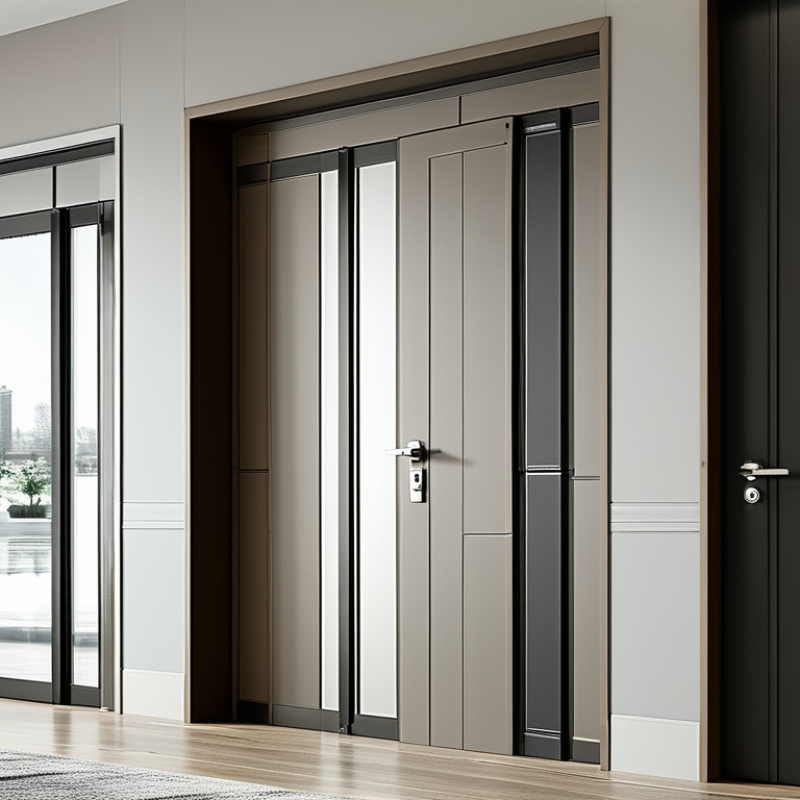
Choosing the right Aluminium Profiles For Doors can significantly impact both aesthetics and functionality. These profiles must align with your design preferences and provide durability. The market offers a vast selection of styles, sizes, and finishes, making the decision challenging.
Understanding the specific needs of your project is crucial. Are you aiming for modern elegance or classic charm? The choice of Aluminium Profiles For Doors should reflect your vision. Additionally, consider environmental factors such as climate and exposure. Weather resistance is essential for longevity.
Quality is non-negotiable. Low-cost options may seem attractive but often lack durability. Look for profiles from reputable suppliers. Trustworthy brands offer warranties and detailed specifications. Your choice of Aluminium Profiles For Doors not only affects appearance but also reflects your commitment to quality and craftsmanship.
Understanding the Basics of Aluminium Profiles for Doors
When choosing aluminium profiles for doors, understanding the basics is crucial. Aluminium profiles are not merely functional; they enhance aesthetics and durability. Profiles come in various shapes and sizes, affecting both performance and appearance. Consider the thickness and material quality, as these factors influence stability and insulation.
Selecting the right type of profile involves assessing your specific needs. For instance, if you're in a humid area, opt for profiles with better corrosion resistance. Some profiles offer aesthetic appeal, like intricate designs or finishes that mimic other materials. Durability is key, so prioritize options with robust construction.
Tips for selection include checking the weight capacity of the profiles. Ensure they can handle door sizes and potential wear. Also, assess the ease of installation. Complex profiles may require professional assistance, which can elevate costs. Reflect on your budget—while premium profiles might offer reliability, other options can fulfill basic needs without breaking the bank.
Key Factors to Consider When Selecting Aluminium Profiles
When selecting aluminium profiles for doors, a few critical factors should guide your decision. One of the primary considerations is the profile's strength and rigidity. Research has shown that profiles made of high-quality aluminium exhibit superior load-bearing capacities and durability. According to a study by the Aluminium Association, a well-structured profile can withstand up to 20% more stress than lower-grade alternatives. This translates into better resistance to deformation, essential for maintaining the door's functionality over time.
Thermal efficiency is another significant factor. The right aluminium profile can significantly enhance insulation properties. In fact, it is reported that thermally broken profiles can reduce heat transfer by up to 60%. This aspect not only contributes to energy savings but also enhances comfort levels inside a building. Adding thermal breaks helps achieve better energy performance, making this choice increasingly relevant in today’s energy-conscious environment.
It’s vital to consider aesthetic preferences as well. The aluminium surface can be treated with various finishes that offer both protection and attractive appearance. However, the choice of finish should match the overall design scheme to avoid clashing. Moreover, selecting the right colour can impact heat absorption and reflectivity. A detailed analysis of these factors can help you arrive at a decision that balances performance and visual appeal, although it requires thoughtful consideration to pinpoint the best product for a given project's unique needs.
Types of Aluminium Profiles Suitable for Different Door Designs
Choosing the right aluminium profiles for doors involves understanding different options available for varying designs. Aluminium profiles can be categorized mainly into two types: structural profiles and decorative profiles. Structural profiles offer strength and durability, making them ideal for entrances and commercial buildings. According to industry reports, 75% of architects prefer these profiles for their longevity and resistance to corrosion.
Decorative profiles, on the other hand, focus on aesthetics. They come in various finishes and colors, enhancing the overall appearance of residential doors. Reports indicate that 60% of homeowners prioritize styling, leading to an increased demand for customized designs. These profiles are great for modern homes, where sleek designs are common.
While selecting, consider both function and style. Not every profile suits every door design. Misalignment can occur if a structural profile is used where a decorative one is needed. It is crucial to connect with industry professionals, but also question their choices. Some profiles may not perform as expected under specific conditions. Regular user feedback highlights issues such as wear and fading that can impact long-term satisfaction. Evaluating profiles through real-world experiences can guide better decisions.
Evaluating Durability and Aesthetics in Aluminium Profiles
When selecting aluminium profiles for doors, evaluating their durability and aesthetics is essential. Aluminium is known for its strength, making it a popular choice in construction. According to industry studies, aluminium can last over 50 years when properly maintained. This longevity is crucial for commercial and residential properties alike.
Durability factors include corrosion resistance and impact strength. High-quality aluminium alloys, such as 6063 or 6061, show exceptional resistance to wear and environmental factors. Consider the finish, as anodized or powder-coated surfaces can enhance resistance to fading and scratching.
Aesthetics play a significant role when choosing aluminium profiles. Shapes and colors should complement the overall design of your space. Modern technology allows for a wide array of finishes, from sleek metallic to vibrant hues. Customization may also be available, although it may require a longer lead time.
When finalizing your choice, think about the synergy between durability and beauty. Often, a decision that prioritizes one may overlook the other. Pay attention to how the profiles will look over time. Will they maintain their appearance? These factors are not just about looks; they impact the overall value of your investment.
Consider the integrity of the materials when evaluating products. Always refer to industry standards for specifications. A certification from a recognized authority can provide valuable assurance of quality and performance.
Cost Analysis: Budgeting for Aluminium Door Profile Selection
When considering aluminium profiles for doors, budget is a vital aspect. Different profiles vary significantly in price. Understanding these variations helps streamline your choices.
Initial costs involve choosing the profile design and size. Typically, more complex designs come with a higher price tag. Estimated costs can range from a few dollars to over a hundred per meter. There is often a trade-off between quality and affordability. Cheaper profiles may not offer the same durability. This might lead to increased maintenance costs later on.
Another important factor is the finishing options. Powder coating or anodizing can add to the cost. These finishes, however, enhance the longevity and appearance. It’s essential to balance upfront costs with potential long-term savings. Sometimes, a less expensive profile may require more frequent replacements. Assessing the total lifecycle cost is crucial here. Aim to achieve both functionality and aesthetic value while staying within your budget.
How to Choose Aluminium Profiles For Doors Effectively? - Cost Analysis: Budgeting for Aluminium Door Profile Selection
| Profile Type |
Material Thickness (mm) |
Weight (kg/m) |
Cost per Meter (USD) |
Durability Rating |
| Standard Profile |
1.2 |
1.5 |
15.00 |
Medium |
| Heavy Duty Profile |
2.0 |
2.5 |
22.00 |
High |
| Thermal Break Profile |
1.6 |
2.0 |
18.50 |
Very High |
| Slimline Profile |
1.0 |
1.2 |
12.00 |
Low |
| Architectural Profile |
1.5 |
2.3 |
20.00 |
Medium |