How to Choose the Right Aluminium Cladding Profiles for Your Project?
When embarking on a construction project, selecting the right Aluminium Cladding Profiles is vital. These profiles not only enhance the building's aesthetic but also offer essential protective qualities. The market has various options. Each choice comes with its unique benefits, challenges, and costs.
Understanding the specific requirements of your project can simplify the selection process. Factors like climate, building type, and budget play critical roles in your decision. A well-chosen profile can reduce long-term maintenance costs and improve energy efficiency. However, making the wrong choice could lead to frequent replacements or repairs, raising overall expenses.
Moreover, it's important to consult experts in aluminium cladding to gain insights. They can provide knowledge on the latest innovations and industry standards. A peer-reviewed approach advocates for a careful assessment of materials' durability and safety. Embracing this guidance will increase confidence in your decision-making process regarding Aluminium Cladding Profiles.
Understanding Different Types of Aluminium Cladding Profiles Available
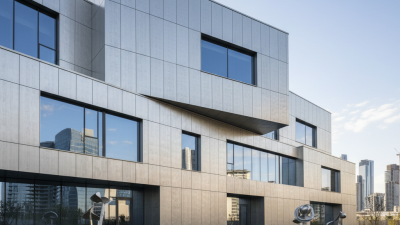
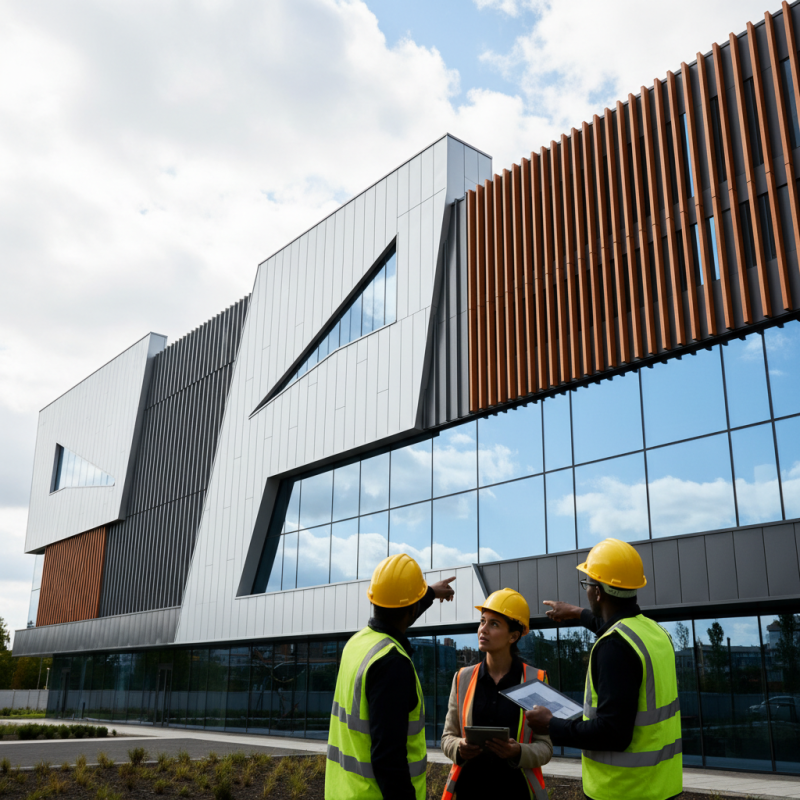
When selecting aluminium cladding profiles, understanding the different types is crucial. There are various profiles available, such as flat panels, interlocking systems, and corrugated designs. Each type serves distinct aesthetic and functional purposes. Flat panels offer a sleek look, great for modern designs. They can be easily customized in different sizes and finishes. Interlocking systems provide enhanced weather resistance, making them suitable for harsh environments.
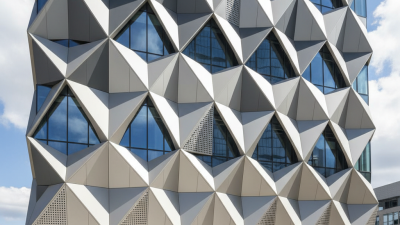
Corrugated profiles, on the other hand, add texture and depth. They can be ideal for both commercial and residential buildings. Not everyone appreciates the industrial feel, though. Choosing the right profile involves considering the building’s purpose and location. For instance, a busy urban area might benefit from thicker profiles that withstand noise and pollution.
Don’t overlook insulation properties. Some cladding types offer better thermal performance. This factor can lead to energy savings. However, improper installation can compromise efficiency. Therefore, always consult professionals with experience in cladding installation. They can help you navigate the options and make better-informed decisions. Each choice carries implications for aesthetics, functionality, and long-term performance. Think carefully before you decide.
Evaluating the Aesthetic and Functional Requirements of Your Project
Choosing the right aluminium cladding profiles involves more than aesthetics. It's about meeting functional needs too. Start by evaluating the environment your project faces. Is it exposed to harsh weather? Certain profiles offer better durability.
**Tip:** Consider the profile thickness. Thicker panels often provide improved insulation and resistance to external elements.
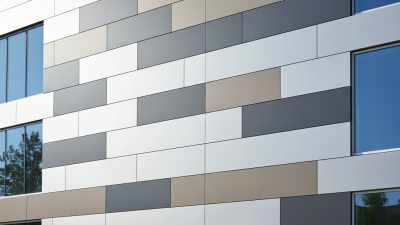
You should also think about the design elements. The profile’s finish and color can drastically change the project's look. A matte finish can provide a contemporary feel, while a glossy finish may offer a more traditional appearance.
**Tip:** Always visualize the final look. Use digital design tools to see how different profiles might blend with other materials.
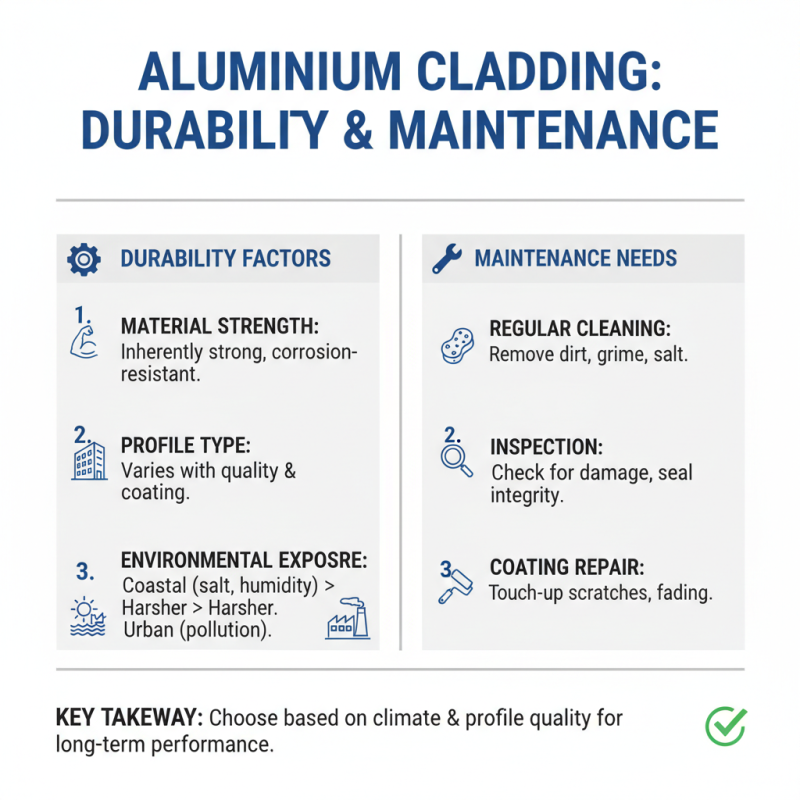
Reflect on maintenance needs as well. Some profiles may require more upkeep to maintain their appearance over time. Regular cleaning and inspections can prevent costly repairs down the line. Choose profiles that suit your long-term vision for performance and aesthetics.
Assessing the Durability and Maintenance Needs of Aluminium Cladding
When selecting aluminium cladding profiles, durability and maintenance cannot be overlooked. Aluminium is known for its strength and resistance to corrosion. However, not all profiles perform equally over time. The right choice depends on various factors, such as climate and exposure to elements. For instance, coastal areas can be harsher, requiring more durable profiles. Regular wear and tear also matter.
Maintenance needs should reflect your project's demands. Some finishes require more frequent cleaning to prevent staining or degradation. A profile with a textured finish may hide dirt better than a smooth one. But is the trade-off worth it? Consider whether you want longevity or prefer a less demanding aesthetic. Regular inspections are crucial to identify potential issues early.
Reflect on your project's long-term focus. Is it worth investing in a profile that minimizes maintenance yet has a higher initial cost? Balancing aesthetics with practicality is complex. Examine local conditions and think about how they impact your cladding choice. Ultimately, an educated decision will have a lasting impact.
Comparing Cost-Effectiveness and Sustainability of Various Profiles
When selecting aluminium cladding profiles, sustainability and cost-effectiveness are essential factors. According to a recent report, aluminium profiles with recycled content can reduce greenhouse gas emissions by 60%. Choosing these profiles not only minimizes environmental impact but also often results in lower lifecycle costs.
The upfront cost of different aluminium cladding options varies significantly. For instance, standard profiles may range from $8 to $12 per square foot, while sustainably sourced profiles might cost about $1 more. However, the longer lifespan and reduced maintenance needs of sustainable options can offset initial investments. Research suggests that these eco-friendly profiles can last 20% longer than their conventional counterparts.
It’s crucial to consider local regulations and installation complexities too. Some sustainable profiles may require specific installation techniques, which can increase labor costs. Understanding these variables is key to making an informed decision. Balancing these factors ensures not just compliance with sustainable practices but also aligns with budget constraints. This multifaceted approach is where the challenge lies for many project managers.
Consulting with Experts for Tailored Recommendations on Selection
Choosing the right aluminium cladding profiles can be daunting. To make the best decision, consulting with experts proves invaluable. Experienced professionals provide tailored recommendations based on specific project needs. They consider design, durability, and environmental factors that you might overlook.
Moreover, expert insights can streamline your selection process. They can share knowledge about the latest trends and technologies in aluminium cladding. This ensures that your project not only meets current standards but also remains future-proof. Experts can help address any uncertainties you may have about materials or installation methods.
It's often tempting to rely on online resources for guidance. However, these sources may not always provide accurate or relevant information. Engaging with specialists allows for a deeper understanding of your unique situation. Reaching out for personalized advice can lead to a more successful project outcome. Don’t underestimate the importance of expert consultation—it's an investment that pays off.
How to Choose the Right Aluminium Cladding Profiles for Your Project?
| Profile Type |
Thickness (mm) |
Finish Type |
Application |
Color Options |
| Flat Sheet |
2.5 |
Anodized |
Wall Cladding |
Silver, Black |
| Hollow Core |
3.0 |
Powder Coated |
Ceiling Panels |
White, Dark Grey |
| Composite Panel |
4.0 |
Brushed |
Exterior Facades |
Green, Blue |
| Perforated Panel |
2.0 |
Custom Paint |
Screening & Sunshade |
Custom Colors |
| C-Shaped Profile |
3.5 |
Coated |
Architectural Features |
Matte Black, Silver |