How to Choose the Right Aluminium Curtain Wall Profile for Your Building?
Choosing the right Aluminium Curtain Wall Profile for your building is essential. This decision impacts aesthetics, energy efficiency, and overall functionality. A well-chosen profile can enhance the building's performance. On the contrary, a poor selection can lead to costly renovations.
Aluminium Curtain Wall Profiles come in various shapes and sizes. Each design has unique benefits and drawbacks. It's crucial to consider factors like climate, building height, and local regulations. Not all profiles suit every environment. Some may perform well in specific conditions, while others falter.
Consulting with experienced professionals is key. Their insights can guide you through this selection process. However, even experts can have differing opinions. It's necessary to weigh these perspectives carefully. Reflection and research on different profiles will lead you to a more informed choice. Ultimately, the right Aluminium Curtain Wall Profile can make a significant difference in your building's success.
Understanding Different Types of Aluminium Curtain Wall Profiles Available in the Market
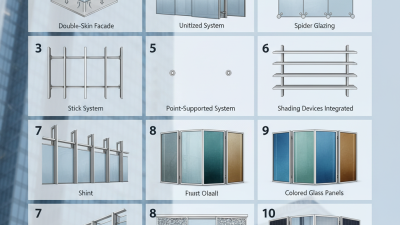
When selecting an aluminium curtain wall profile, understanding your options is essential. Various profiles exist, each designed for specific architectural needs. The most common types include stick systems, unitized systems, and semi-unitized systems. Stick systems consist of individual components, which allow flexibility in design. However, they can be more labor-intensive to install.
Unitized systems come pre-assembled, simplifying the installation process. They provide a sleek appearance but may have limitations in customization. Semi-unitized systems blend both approaches, offering a balance between complexity and efficiency. Their modular nature often leads to faster installation times.
The choice of profile affects aesthetics and performance. Factors like thermal insulation, water resistance, and structural integrity are crucial. Examining your building's location and climate is necessary. Sometimes, what looks best on paper may not perform well in real scenarios. It’s crucial to consult with experts to analyze site-specific conditions. They can help you reflect on your choices and ensure long-term reliability.
How to Choose the Right Aluminium Curtain Wall Profile for Your Building?
| Profile Type |
Thermal Performance |
Weight (kg/m²) |
Water Tightness |
Typical Cost ($/m²) |
| Stick System |
Moderate |
15 |
Good |
50-90 |
| Unitized System |
High |
18 |
Excellent |
80-120 |
| Structural Glazing |
Very High |
20 |
Excellent |
100-150 |
| Semi-Unitized System |
High |
17 |
Very Good |
70-110 |
| Frameless Glazing |
High |
22 |
Good |
120-180 |
Key Factors to Consider When Choosing an Aluminium Curtain Wall Profile
When selecting an aluminium curtain wall profile, various factors come into play. The building’s design is crucial. Profiles should complement the architectural style without overwhelming it. For instance, a modern facade may require sleek, minimalistic profiles. In contrast, a more traditional structure might benefit from profiles with ornamental features. A thorough assessment of the overall visual impact is essential.
Performance characteristics are equally important. Consider thermal insulation and weather resistance. Aluminium profiles should have features that mitigate heat loss and withstand harsh elements. Look at the profile's finish too. Surface treatments can enhance durability and aesthetics. It’s worth reflecting on potential maintenance issues.
Cost is also a vital aspect. Cheaper profiles may lead to higher long-term costs due to replacements or repairs. Prioritize profiles that balance initial investments with durability and upkeep needs.
Comparing Performance Metrics: Thermal Insulation and Structural Integrity
When selecting the right aluminium curtain wall profile for a building,
thermal insulation and structural integrity stand out as vital performance metrics.
Thermal insulation is crucial for energy efficiency. A well-insulated curtain wall minimizes heat transfer,
keeping interiors comfortable year-round. But not all profiles offer the same insulation capabilities. Some designs
may fail to meet modern building standards.
Structural integrity is equally important.
The profile must withstand various environmental stresses. High winds, snow loads, and seismic activity can threaten a building's stability.
Weak profiles may lead to costly repairs and safety concerns. It's essential to consult with structural engineers when evaluating options.
Tips: Always check the insulation values reported by manufacturers.
Look for profiles that meet or exceed energy efficiency ratings. Ask for structural performance data too.
Don't overlook the importance of testing materials in real-world conditions. Consider how profiles react to local climate challenges.
An informed choice will balance thermal performance with lasting structural strength.
Analyzing Cost-Effectiveness: Budgeting for Aluminium Curtain Wall Installation
When budgeting for aluminium curtain wall installation, understanding cost-effectiveness is crucial. The initial investment can be substantial. Yet, considering long-term benefits is key. Aluminium systems offer durability and low maintenance costs. These advantages often compensate for higher upfront expenses over time.
Quality of materials plays a significant role in overall cost. Cheaper options may seem appealing, but they can lead to higher repair costs later. It is vital to assess various profiles and their longevity. Will the lower-cost profile meet your building’s needs? A trusted contractor can provide insights on the most efficient choices.
Moreover, evaluating the local climate is essential. In extreme weather, investing in robust profiles can save you future expenses. Energy efficiency is another consideration. A well-insulated curtain wall reduces energy bills. Balancing immediate costs with potential savings ensures a smarter investment. A thorough analysis helps create a sustainable plan for your building's needs.
Sustainability Aspects: Environmental Impact of Aluminium Materials in Construction
Aluminium is becoming a popular choice in construction due to its lightweight and durability. However, its environmental impact deserves scrutiny. According to a report from the International Aluminium Institute, aluminium's lifecycle emissions are significantly lower than many other materials. This advantage makes it an appealing option for sustainable building projects.
Yet, there are concerns. The production of aluminium is energy-intensive. Approximately 15% of global electricity consumption goes to aluminium smelting. It is vital to consider sourcing methods and production processes. Choosing aluminium profiles that utilize recycling can greatly reduce environmental damage. Recycling aluminium uses 95% less energy than primary production.
Tips: Look for suppliers that prioritize eco-friendly practices. Check if their aluminium profiles are made from recycled materials. This helps minimize waste and promotes sustainability. Also, consider how the profile’s design influences energy efficiency. Well-designed profiles can enhance insulation, lowering energy consumption in buildings.
Ultimately, while aluminium offers substantial benefits, its production raises important questions. Understanding these factors is essential for responsible decision-making in construction.