RQ-2
RQ-3
RQ-1
RQ-4

How to Choose the Best Aluminium Surface Finish

Choosing the best Aluminium Surface finish is more than selecting an attractive colour or texture. It requires careful attention to performance, environment, maintenance, and design intent. A finish that looks excellent in a showroom may behave differently beside a coastal walkway, busy factory, or high-touch doorway.

In practice, professionals compare anodizing, powder coating, polishing, brushing, and mill finishes against real project conditions. Sunlight can expose uneven colour. Frequent cleaning can reveal weak coatings. Fine brushed lines may also show fingerprints more clearly than expected. These details matter.

Experience helps, but it should not replace testing. Samples should be viewed under natural and artificial light. They should also be handled, cleaned, and inspected from several angles. No finish is perfect. That is worth remembering. A durable option may offer fewer colours, while a decorative finish may demand more care. In some projects, the first preference changes after a sample review.

This guide explains how to evaluate an Aluminium Surface finish with practical criteria and professional judgment. It considers appearance, corrosion resistance, scratch visibility, fabrication methods, cost, and long-term upkeep. Reliable decisions come from matching the finish to its surroundings, not from following fashion alone. Suppliers can provide technical data, but project teams must confirm suitability through specifications and sample approval. Small choices often influence the final result.
How to Choose the Best Aluminium Surface Finish

Define Your Aluminium Surface Finish Requirements

Define Your Aluminium Surface Finish Requirements

Choosing an aluminium surface finish starts with the working environment, not a colour chart. Record exposure to salt, humidity, chemicals, abrasion, ultraviolet light, and cleaning agents. A coastal handrail may need anodising or powder coating, while an indoor display panel may only require brushing or polishing. Confirm the required gloss, texture, colour tolerance, and edge appearance with physical samples. A finish can look excellent under factory lighting, then appear uneven beside a window.

Specify measurable performance targets. Ask for coating thickness, adhesion, hardness, corrosion resistance, and expected service life. Relevant testing may include salt-spray evaluation under ASTM B117, abrasion testing, and colour measurement using agreed instruments. The International Aluminium Institute reports that remelting recycled aluminium uses roughly 5% of the energy required for primary aluminium production. Therefore, a durable finish can support longer product use and more practical recycling. However, this is not a reason to select the thickest coating. Excess material may increase cost, affect dimensions, or complicate later processing.

Tips: Write a finish specification before requesting quotations. Include alloy, surface preparation, masking zones, acceptable visual defects, and inspection lighting. Test assembled parts, not only flat coupons. Small details matter. I have seen a sample pass visual review, yet fail after fasteners created galvanic staining. That risk deserves discussion with the finisher before production. Recheck assumptions when the part faces heat, friction, or frequent cleaning.

Understand the Main Types of Aluminium Surface Finishes

How to Choose the Best Aluminium Surface Finish

Understand the Main Types of Aluminium Surface Finishes

Aluminium surface finishes affect appearance, corrosion resistance, maintenance, and production cost. The right choice depends on exposure, handling, and design expectations.

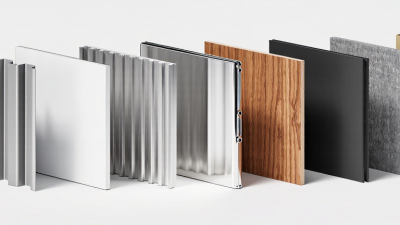
Mill finish shows aluminium almost as it leaves the manufacturing process. It has a natural, slightly uneven appearance. It suits hidden parts, industrial frames, and projects with limited exposure.

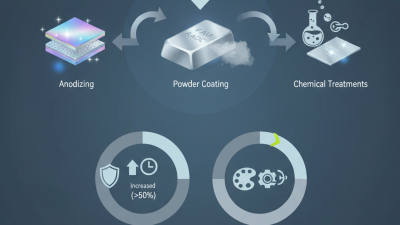
Anodizing creates a controlled oxide layer on the surface. This finish improves wear resistance and gives aluminium a clean metallic appearance. However, colour matching can vary between production batches. Test it first.

Powder coating applies a dry coloured layer and then cures it with heat. It offers many colours and works well for architectural panels, furniture, and equipment housings. Scratches may expose the metal beneath, especially on sharp edges.

Liquid coatings can provide more precise colour control and smoother repairs, but preparation quality remains critical.

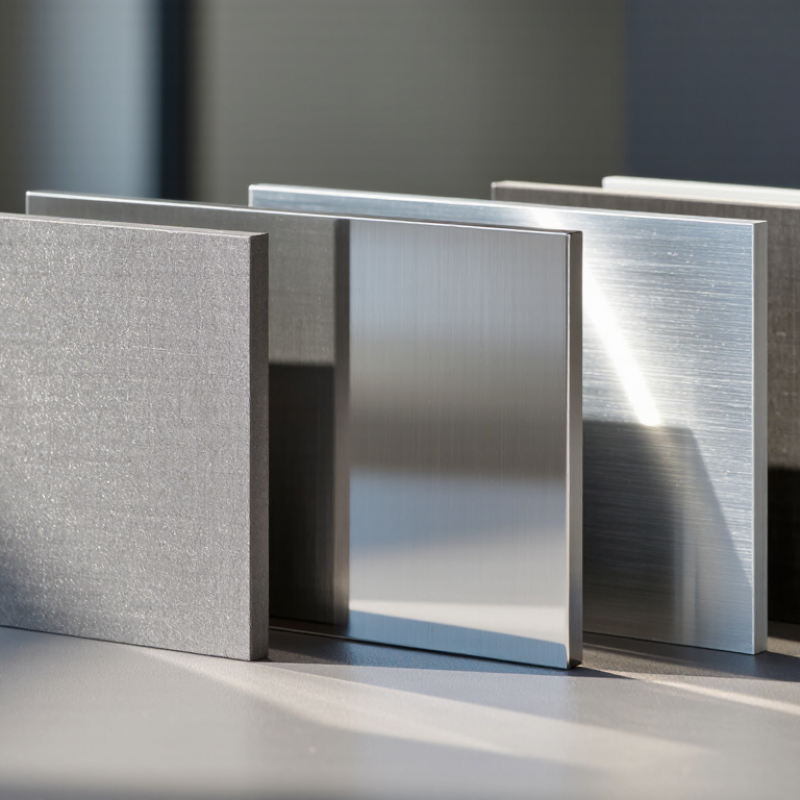
Brushed and polished finishes create directional lines or a reflective surface. They highlight fingerprints and small marks. Maintenance can become demanding.

A practical inspection should check corners, drilled holes, weld areas, and cut edges. These locations often reveal weak preparation or uneven coverage.

I once underestimated handling marks on a brushed sample; the final panel looked different under bright lighting. That mistake changed my process. I now compare samples outdoors and indoors before approval. Small samples matter.

Also consider cleaning chemicals, coastal air, friction, and expected service life. A finish that looks excellent in a showroom may perform poorly beside a busy road or saltwater.

Match the Finish to Its Environment and Application

How to Choose the Best Aluminium Surface Finish

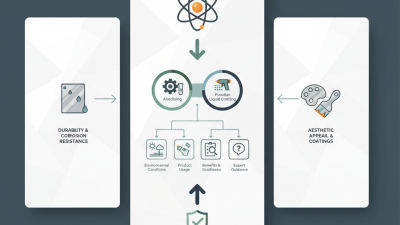
Match the finish to its environment and application, not merely its appearance. Coastal façades face salt, moisture, and abrasive wind. Anodizing creates a hard oxide layer and suits exposed aluminium where colour consistency matters. Powder coating offers broader colour choices, but damaged areas need prompt inspection. Indoor trims usually need less protection than exterior balcony systems.

The NACE IMPACT study estimated global corrosion costs at 2.5 trillion dollars annually, equal to 3.4% of global GDP. That figure makes finish selection a maintenance decision, not a decorative choice. In coastal zones, specify tested coating systems and sealed joints. In industrial areas, check resistance against chemicals, soot, and frequent washing. Small details matter.

Think about touch, heat, and cleaning frequency. Dark finishes absorb more solar energy and may increase thermal movement on sunlit panels. High-traffic handrails need a surface that tolerates repeated contact and cleaning. Architectural coating requirements under AAMA 2605 include 4,000 hours of accelerated weathering and long-term outdoor exposure testing. The International Aluminium Institute reports that recycled aluminium requires about 5% of the energy used for primary production, so durable finishes can support longer reuse cycles. Still, test samples under real site conditions. Laboratory confidence can mislead.

Compare Durability, Maintenance, Appearance, and Cost

How to Choose the Best Aluminium Surface Finish

Compare Durability, Maintenance, Appearance, and Cost

The best aluminium finish depends on where the material will live. In workshops, I have seen attractive finishes fail because the environment was ignored. Coastal air, road salt, and constant handling can quickly expose weak choices. Anodized aluminium usually offers strong wear resistance and a clean metallic appearance. It suits doors, panels, and architectural details that need limited maintenance. However, color options are more restrained, and scratches can be difficult to repair invisibly.

Powder-coated aluminium provides broader color choices and a smoother visual identity. It can resist weathering well when preparation and curing are properly controlled. Still, a poor coating process may cause peeling, fading, or uneven coverage. Inspect corners, drilled holes, and hidden edges before approving production. Small defects matter later. A mill finish costs less and preserves the metal’s natural look, but it marks easily and may require more frequent cleaning.

Maintenance should match the site, not just the budget. Use mild soap, clean water, and soft cloths. Avoid abrasive pads and harsh chemicals. Initial cost can mislead. A cheaper finish may demand repainting, replacement, or extra inspections. I once underestimated cleaning access on a commercial project, and the finish became harder to maintain than expected. That mistake changed my selection process. Compare service life, repair options, appearance stability, and labor costs together. The most impressive finish is not always the most practical.

How to Choose the Best Aluminium Surface Finish - Compare Durability, Maintenance, Appearance, and Cost
Surface Finish Typical Durability UV and Colour Stability Corrosion Resistance Scratch and Wear Resistance Maintenance Requirement Appearance Options Indicative Cost Level Best-Suited Applications
Mill Finish Approximately 5–15 years in many outdoor environments when the base alloy is suitable and regularly maintained; performance varies greatly with exposure. Natural aluminium appearance remains largely unchanged, but the surface can weather unevenly and develop oxidation or staining. Moderate. Aluminium forms a protective oxide layer, but salt, pollutants, dissimilar metals, and trapped moisture can accelerate corrosion. Low to moderate. Machining marks, handling marks, and surface scratches are readily visible. Low to moderate. Regular washing is recommended, especially in coastal or industrial locations. Natural metallic appearance with visible extrusion or rolling marks; no added colour coating. Low Interior components, concealed parts, temporary structures, and projects where the natural aluminium look is acceptable.
Brushed or Satin Mechanical Finish Approximately 5–15 years outdoors unless protected with a clear coating; suitable for longer service indoors. Uncoated surfaces do not provide strong colour protection and may become less uniform with weathering. Moderate when correctly cleaned and isolated from incompatible metals; directional scratches can expose a less uniform appearance. Moderate. Fine linear marks can disguise minor scuffs, but deep scratches are difficult to repair invisibly. Moderate. Clean in the direction of the grain and avoid abrasive cleaners. Directional satin or brushed texture with a contemporary metallic effect; limited colour range without additional coating. Low to medium Interior wall panels, furniture, trim, signage, decorative features, and controlled-exposure architectural elements.
Anodized Finish Approximately 10–25+ years, depending on anodizing thickness, alloy, environment, and installation quality. Generally good. Metallic colours usually retain their appearance well, although strong sunlight and weathering can gradually alter the tone. Good to very good. The integral oxide layer improves resistance, but it can be attacked by strong acids, alkalis, or aggressive cleaners. Good. The finish is integral to the aluminium rather than a separate paint film, but it can still be scratched or damaged by abrasion. Low. Periodic washing with clean water and a mild, non-abrasive detergent is normally sufficient. Clear, bronze, black, and other metallic tones; transparent appearance preserves the visual character of aluminium. Medium Window and door frames, façades, curtain walls, handrails, trim, and projects requiring a durable metallic appearance.
Powder-Coated Finish Approximately 10–20 years outdoors; premium architectural systems can last longer when correctly specified and maintained. Moderate to very good, depending on resin chemistry, pigment quality, film thickness, and exposure. Standard decorative grades may fade sooner than architectural grades. Good to very good when the aluminium is properly pretreated and the coating is continuous; cut edges and damaged areas require attention. Good. The hard film resists normal handling and abrasion, but sharp impact can chip the coating and expose the substrate. Low to moderate. Wash periodically with mild detergent; inspect chips, scratches, joints, and drainage areas. Wide range of solid colours, textures, gloss levels, and special effects; consistent colour matching is possible within the same production batch. Medium Residential and commercial façades, windows, doors, railings, equipment housings, furniture, and general architectural work.
High-Performance Liquid PVDF Coating Approximately 20–30+ years on suitable exterior applications when a qualified multi-coat system is correctly applied. Very good to excellent. High-performance fluoropolymer systems generally provide strong resistance to chalking and colour fade in sunlight. Very good when applied over appropriate pretreatment and primer layers; coating damage should be repaired promptly. Good, although the film may be less resistant to sharp impact or abrasion than some hard powder coatings. Low. Routine washing helps remove salt, dirt, and pollutants and preserves the coating's appearance. Broad colour range with low, medium, or higher gloss options; smooth architectural finish suitable for large façades. High High-rise façades, coastal buildings, transport infrastructure, prestigious commercial exteriors, and long-term colour-critical projects.
Clear Protective Coating Approximately 5–15 years outdoors, depending on the coating chemistry, film thickness, UV exposure, and preparation. Varies from moderate to very good. A UV-resistant clear coat can slow oxidation and staining but may eventually yellow, haze, or lose gloss. Good when the film remains intact; pinholes, edge damage, and coating breakdown can allow localized corrosion or staining. Moderate to good. Performance depends on the selected clear-coat system and curing quality. Moderate. Frequent inspection is advisable because damage can be less obvious on a transparent coating. Preserves the underlying mill, brushed, or polished appearance while adding a transparent protective layer. Medium Decorative interior and exterior components where the natural aluminium appearance must remain visible.

Note: Service-life ranges are indicative, not guarantees. Actual performance depends on alloy selection, coating specification, pretreatment, film thickness, fabrication quality, climate, pollution, salt exposure, installation details, and maintenance. Coastal and industrial environments generally require more frequent cleaning and more careful finish selection.

Verify Finish Specifications and Quality Standards

When choosing an aluminium surface finish, verify the specification before judging appearance. Ask for the coating type, measured thickness, colour tolerance, gloss range, adhesion method, and corrosion test duration. A finish can look perfect under showroom lighting yet fail near saltwater or industrial pollution. AAMA 2603, 2604, and 2605 define different performance levels for organic coatings. Higher classifications generally require stronger weathering and corrosion resistance. For anodized aluminium, ISO 7599 provides guidance on decorative and protective anodic oxidation coatings.

Request an independent test report, not only a supplier certificate. Check whether testing followed standards such as ASTM B117 for salt spray, ASTM D3359 for adhesion, or ISO 9227 for corrosion testing. These tests help, but they do not perfectly reproduce every building environment. That limitation matters.

Colour measurements should include a recognised ΔE method, while coating thickness should be recorded across several points. The International Aluminium Institute reports global primary aluminium production at roughly 70 million tonnes annually, making consistent finishing controls increasingly important across a large supply chain.

Tips: Compare three samples under daylight and shade. Record batch numbers and inspection dates. Ask for project-specific warranty conditions. Verify substrate preparation, because poor cleaning can undermine an excellent coating. I would also inspect cut edges and hidden corners; these areas are often ignored, sometimes unfairly, during quality checks. When reports disagree, pause the purchase and request retesting by an accredited laboratory.

Please feel free to contact us