Choosing the right Aluminum Alloy Door Factory is not simply a price comparison. It is a decision about materials, workmanship, testing, and long-term support.
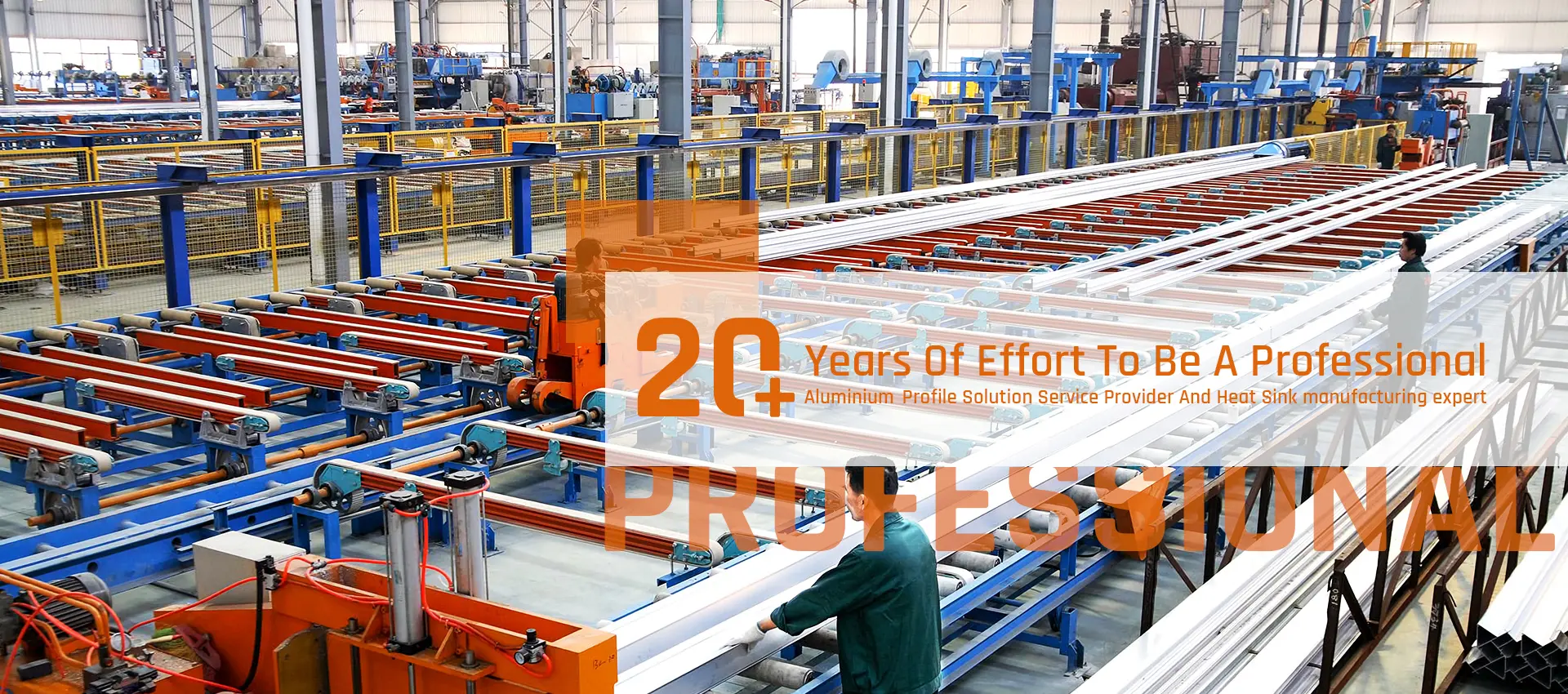
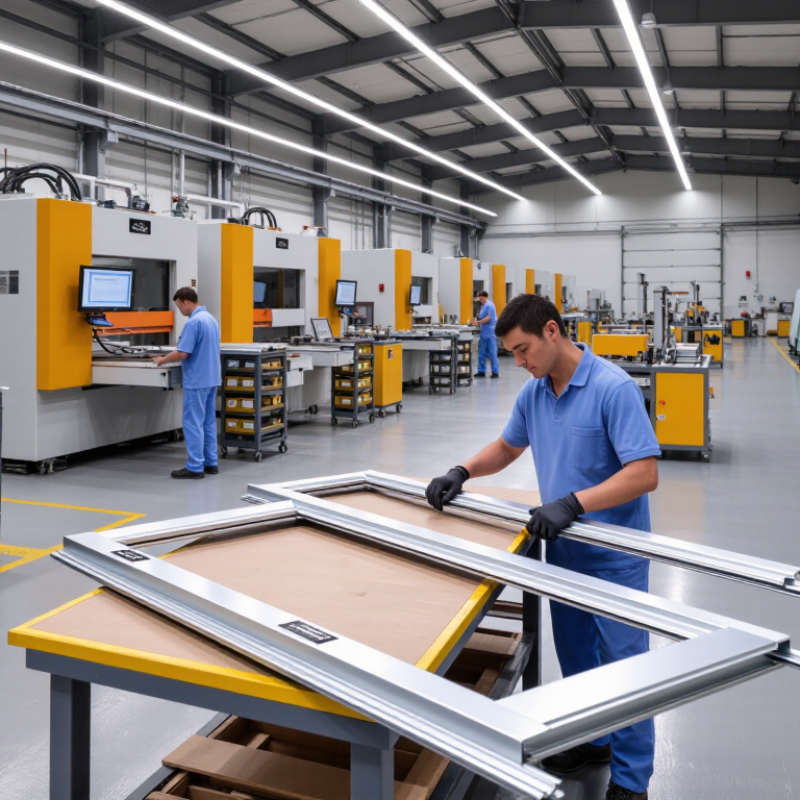
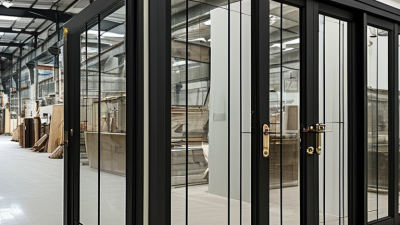
An experienced factory should control each important stage. That includes aluminum extrusion, cutting, welding, surface treatment, assembly, and final inspection. Walk through the production area if possible. Look for clean worktables, labeled profiles, protected glass, and organized hardware storage. Small details often reveal large quality differences.
Dr. Thomas M. Culp, a respected fenestration consultant, once observed, “A durable door begins with disciplined design and manufacturing.” This principle remains useful when comparing suppliers. Ask whether the factory owns its equipment or outsources critical processes. Request test reports for air leakage, water resistance, wind pressure, and thermal performance. Check the alloy grade, coating standard, hardware brand, warranty terms, and replacement process.
Do not rely on attractive showroom samples alone. A flawless display door can hide weak corner joints or inconsistent coating thickness. Factory experience matters, but it is not proof of every product’s quality. Even established manufacturers may have occasional defects. That uncomfortable possibility deserves attention.
A reliable Aluminum Alloy Door Factory will explain its limitations clearly. It should provide drawings, production schedules, inspection records, and realistic delivery dates. Communication also matters when sizes change or installation conditions become difficult. This guide examines what such factories do, how their systems are built, and which questions help buyers choose with greater confidence.
An aluminum alloy door factory is a manufacturing site that turns aluminum profiles, glass, hardware, and coatings into finished doors. It is more than a workshop with cutting machines. A reliable factory controls alloy selection, extrusion, surface treatment, assembly, and final inspection under one system.
The International Aluminium Institute reported global primary aluminum production above 70 million tonnes in 2023. This scale matters because door factories depend on stable material supply and consistent alloy performance. Common alloys, such as 6063, offer a useful balance of strength, corrosion resistance, and appearance.
However, alloy choice alone does not guarantee quality. Poor heat treatment, inaccurate cutting, or weak corner joints can cause air leakage and difficult operation.
Look closely.
A capable factory should show traceable material records, calibrated testing equipment, and documented quality procedures. Ask how it checks frame dimensions, coating thickness, glass installation, water resistance, and repeated opening cycles.
The International Energy Agency identifies aluminum production as energy-intensive, so responsible factories should also explain scrap recycling and energy controls. These details reveal practical experience, not polished sales language.
Still, factory documents can be incomplete or outdated. An on-site audit, sample inspection, and small pilot order remain wiser than trust based only on certificates.
An aluminum alloy door factory turns a practical requirement into a measured, tested product. Door design begins with the opening size, building use, climate, and expected traffic. Engineers select alloy profiles according to strength, weight, and corrosion resistance. A coastal project needs different protection than an indoor office.
The process starts with digital drawings and profile calculations. Designers plan the frame, sash, hinges, locks, seals, and drainage paths. Small gaps matter. They control movement, noise, and water entry. Aluminum profiles are cut to precise lengths, then joined by crimping, screws, or welding. Surface treatment may include powder coating or anodizing. Glass panels are installed with setting blocks and compression seals.
Quality control should continue beyond visual inspection. Factory technicians measure diagonals, check corner joints, and operate sample doors repeatedly. They can also test air leakage, water resistance, and hardware strength when project standards require it. Not every drawing survives production. Sometimes a narrow profile looks elegant but lacks stiffness. That weakness needs correction before mass manufacturing. A reliable factory explains these changes clearly and records material batches, coating results, and inspection data. Ask for production samples, technical drawings, and evidence of previous testing. Visit the workshop if possible. A clean assembly area helps, but disciplined records matter more. Mistakes still happen; transparent correction is the stronger sign.
| Category | Dimension | Typical Factory Practice or Technical Data | Why It Matters When Choosing a Factory |
|---|---|---|---|
| Factory Definition | Core function | An aluminum alloy door factory converts architectural design requirements into finished door units through profile processing, fabrication, assembly, glazing, surface treatment, inspection, and packing. | A factory should control the complete production chain instead of relying only on trading or assembly services. |
| Typical products | Entrance doors, hinged doors, sliding doors, folding doors, balcony doors, fire-rated systems where certified, and thermally broken exterior door systems. | The product range should match the building type, opening size, climate, security level, and local code requirements. | |
| Production equipment | Common equipment includes double-head saws, CNC machining centers, end-milling machines, corner crimping or mechanical fastening equipment, drilling machines, powder-coating lines, glazing tables, and inspection tools. | Suitable equipment improves dimensional accuracy, repeatability, production capacity, and consistency between batches. | |
| Quality management | A documented quality system may include incoming-material inspection, in-process checks, final inspection, traceability records, and corrective-action procedures. ISO 9001 certification can support the system but does not replace product testing. | Ask for current certificates, inspection records, and evidence that the quality system is actively used in production. | |
| Technical capability | The factory should be able to provide profile drawings, section details, hardware schedules, glass specifications, performance reports, installation instructions, and shop drawings. | Clear technical documentation reduces design conflicts, installation errors, and unexpected changes during production. | |
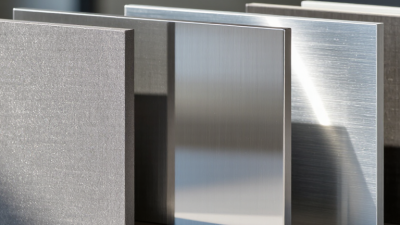
| Door Design | Aluminum alloy selection | Architectural door profiles commonly use extruded aluminum alloys such as 6063, often in T5 or T6 tempers. Alloy and temper should be selected according to strength, extrusion quality, finish requirements, and system design. | The alloy designation alone does not guarantee performance; profile geometry, wall thickness, temper, and structural calculations are also important. |
| Profile geometry | Design normally includes frame profiles, sash profiles, glazing beads, mullions or transoms where required, drainage paths, seals, thermal separators, and hardware reinforcement zones. | Well-designed sections help control deflection, water drainage, air leakage, glass support, and hardware durability. | |
| Thermal performance | Thermally broken systems use a low-conductivity separator, commonly a polyamide strip, between interior and exterior aluminum sections. Non-thermal-break systems are generally less suitable for demanding energy-performance applications. | Request system-specific U-value or thermal-transmittance data for the complete door, not only for the aluminum profile. | |
| Glass configuration | Options may include single, laminated, tempered, insulated, or low-emissivity glass. Glass selection depends on safety, solar control, acoustic requirements, impact risk, and local regulations. | The factory should confirm glass thickness, composition, edge clearance, spacer type, sealant compatibility, and safety classification where applicable. | |
| Hardware and security | Hardware may include hinges, locks, cylinders, handles, rollers, closers, restrictors, and multi-point locking mechanisms. Load capacity and corrosion resistance should be matched to the door size and location. | Hardware quality affects operation, security, service life, and warranty performance. Confirm compatibility before approving shop drawings. | |
| Weather resistance | Exterior doors should include compression or brush seals, sill drainage, weep holes, properly sealed joints, and compatible gaskets. Air, water, and wind performance should be tested according to the applicable project standard. | Test results should identify the exact door configuration, dimensions, glass, hardware, and installation conditions. | |
| Manufacturing Process | 1. Requirement review | The factory reviews opening dimensions, door type, performance targets, finish, glass, hardware, delivery conditions, and applicable standards before preparing shop drawings. | A formal review prevents unsuitable profiles, incomplete hardware schedules, and conflicts between architectural and structural requirements. |
| 2. Shop drawing approval | Approved drawings normally show overall dimensions, section details, handing, swing direction, glass build-up, drainage, anchors, sealants, hardware positions, and installation interfaces. | Production should begin only after critical drawings and specifications have been approved by the responsible project parties. | |
| 3. Profile cutting and machining | Extruded profiles are cut to calculated lengths and machined for drainage, locks, hinges, handles, fasteners, and other components. CNC processing can improve repeatability for complex designs. | Check cutting accuracy, burr removal, hole positioning, and protection of visible surfaces during machining. | |
| 4. Surface treatment | Common finishes include anodizing and powder coating. Finish selection should specify color, gloss, coating class or thickness where relevant, pretreatment, and resistance requirements. | Request finish samples and documented process controls. The appearance and durability of the finish depend on pretreatment, coating, curing, handling, and exposure conditions. | |
| 5. Frame and sash assembly | Components are assembled using approved fasteners, corner joints, cleats, crimping, or mechanical connections. Thermal separators and gaskets must be installed continuously and correctly. | Assembly quality affects squareness, air tightness, drainage, hardware alignment, and long-term operation. | |
| 6. Glazing and sealing | Glass is installed with setting blocks, compatible gaskets, pressure plates or beads, and suitable sealants. Clearances must allow for glass movement and thermal expansion. | Incorrect glazing can cause glass breakage, water leakage, stress on the frame, and premature seal failure. | |
| 7. Inspection and packing | Final checks may cover dimensions, diagonals, surface finish, operation, locking, drainage, gasket continuity, glass condition, accessories, labels, and packaging protection. | Inspection records and photographs provide traceability and make it easier to resolve defects before shipment or installation. | |
| Factory Selection Criteria | Relevant experience | Review completed projects with similar door types, dimensions, environmental exposure, performance requirements, and installation conditions. | Experience with comparable applications is more useful than a general product catalog. |
| Standards and testing | Confirm which standards apply to the project, such as aluminum extrusion, coating, glass safety, air and water resistance, wind load, thermal performance, or fire resistance. | Test reports should be valid, traceable, and based on the same or equivalent system configuration being offered. | |
| Customization capability | Assess the ability to modify profile sections, hardware arrangements, glass combinations, opening directions, colors, dimensions, and installation accessories without compromising system performance. | Customization should be supported by engineering review and revised drawings rather than informal changes on the shop floor. | |
| Sample and approval process | A useful approval package includes a physical corner or door sample, color sample, glass sample, hardware sample, section drawings, finish information, and operation instructions. | Approving a representative sample helps establish the expected appearance, construction, and functional quality. | |
| Capacity and lead time | Evaluate available production capacity, material procurement time, tooling requirements, inspection time, packing method, and realistic delivery milestones. | A low quoted price is not valuable if the factory cannot maintain schedule or supply consistent replacement components. | |
| After-sales support | Confirm warranty terms, spare-parts availability, installation guidance, defect-response procedures, maintenance instructions, and responsibility for adjustments after installation. | Clear post-delivery support reduces downtime and helps preserve door performance throughout its service life. | |
| Verification Checklist | Material documentation | Request aluminum alloy and temper information, profile drawings, glass certificates where required, gasket specifications, hardware data, and coating or anodizing records. | Documentation allows the specified materials to be compared with the materials actually supplied. |
| Performance evidence | Request project-relevant test reports for air permeability, water tightness, wind resistance, thermal performance, acoustic performance, impact resistance, or fire resistance where applicable. | Performance must be evaluated for the complete tested assembly, including frame, sash, glass, hardware, seals, and test dimensions. | |
| Inspection plan | Agree on inspection points such as first-article approval, dimensional checks, finish inspection, glass inspection, functional testing, packing inspection, and pre-shipment release. | A written inspection plan creates measurable acceptance criteria for both the buyer and the factory. | |
| Installation compatibility | Verify opening tolerances, anchors, brackets, sill conditions, perimeter sealants, drainage paths, protection methods, and the sequence of installation with adjacent materials. | Even a well-manufactured door can fail if the opening, anchoring, sealing, or adjustment work is not properly coordinated. |

Important: Actual dimensions, alloy temper, profile wall thickness, glass build-up, coating specification, hardware, and performance values should be confirmed in project-specific drawings, calculations, samples, and test reports. Requirements may vary according to local building codes and the intended application.
An aluminum alloy door factory does more than cut profiles and assemble panels. It typically produces hinged doors, sliding systems, folding doors, and entrance units. Options may include thermal-break frames, laminated glass, louvers, automatic operators, and secure hardware.
Measure twice. In practical projects, product selection depends on opening size, weather exposure, traffic frequency, and required insulation. A capable factory should explain these choices in clear technical language.
Its services often begin with drawings, site measurements, and performance recommendations. Engineers may prepare shop drawings showing frame sections, glass thickness, drainage paths, and fixing points. They can also provide color samples, hardware schedules, prototypes, and pre-production approvals.
Quality control should cover alloy thickness, coating adhesion, diagonal accuracy, glass condition, and hardware operation. Ask for inspection records, test reports, installation instructions, and realistic delivery dates. Details matter.
Installation support may include packing plans, on-site guidance, adjustment, and replacement of damaged components. For larger projects, factories may coordinate with contractors and respond to design changes before production. A reliable supplier should state what its warranty covers and what maintenance the owner must perform. No factory gets every detail right, and vague promises deserve careful questioning. I would review corner joints, water drainage, lock alignment, and tolerance data before approving a sample. The cheapest quotation can hide weaker hardware or incomplete service.
Choosing an aluminum alloy door factory requires more than comparing prices. You need evidence of stable production, skilled workers, and dependable quality control. A factory should explain its alloy grades, surface treatments, hardware options, and testing procedures clearly. Vague answers are warning signs.
I once inspected a factory where the showroom looked impressive, but the workshop was poorly organized. That contrast changed my evaluation. Ask to see extrusion storage, cutting equipment, assembly areas, and finished-door inspections. Check whether profiles are protected from scratches and whether corners align correctly. Request a physical sample before placing a large order. Test its opening movement, locking action, drainage, and seal compression. Small defects often appear after repeated use.
Review production records, quality certificates, and project references from similar climates. Confirm the factory’s tolerance standards, packaging method, delivery schedule, replacement policy, and warranty terms. Reliable suppliers provide measurable details instead of broad promises. They should also explain how design changes affect cost and lead time.
Do not trust photos alone.
A factory may have modern machines but weak supervision. I have also judged suppliers too quickly by workshop appearance. Cleanliness matters, but it does not prove long-term performance. Speak with the technical team, not only sales staff. Ask difficult questions about water leakage, color variation, corrosion, and delayed shipments. Their response reveals practical experience. A site visit may still miss hidden problems, so independent inspection before shipment is worth considering.
An aluminum alloy door factory designs, extrudes, assembles, and tests doors made from aluminum profiles. Choosing one requires more than comparing catalog prices. The factory should explain its alloy grades, profile thickness, thermal-break structure, and surface treatment clearly. For example, 6063-T5 or 6063-T6 profiles may suit different strength and processing needs. Ask for material certificates, coating records, and recent test reports.
Inspect the factory’s quality process closely. Reliable production includes profile inspection, precise cutting, corner-joint checks, hardware testing, and final dimensional measurement. Request evidence of air, water, wind-load, and corrosion testing when relevant. A serious supplier can discuss installation tolerances, drainage paths, glass compatibility, and local building requirements without vague promises. Visit the workshop if possible. Look at unfinished frames, not only polished displays.
Communication also guides the final choice. Confirm drawings, sampling fees, production time, packaging methods, warranty coverage, and after-sales support in writing. Ask how damaged parts are replaced and who handles technical questions. A low quotation may hide weak hardware or thin profiles. That mistake becomes expensive later. A beautiful showroom can mislead. Reference projects help, but they are not perfect proof; project conditions differ. Compare several factories using the same specifications, then judge consistency, transparency, and technical responsibility rather than price alone.