10 Essential Tips for Improving Aluminium Alloy Corrosion Resistance?
Corrosion resistance is a crucial factor in the performance of aluminium alloys. Many industries rely on these materials for their lightweight and strength. However, even the best alloys can suffer from corrosion over time. Hence, understanding Aluminium Alloy Corrosion Resistance becomes essential for longevity and safety.
Numerous factors contribute to corrosion in aluminium alloys. Exposure to moisture, salt, and chemicals can accelerate this process. Protective measures can significantly enhance their resistance. Simple tips can lead to substantial improvements in durability. As professionals, we often overlook routine maintenance methods. Yet, they play a vital role in preserving these alloys.
Finding the right strategies to bolster Aluminium Alloy Corrosion Resistance is not always straightforward. There are numerous techniques, but not all are equally effective. The following tips will provide actionable insights. These tips aim to simplify complex methods and offer practical solutions for anyone working with aluminium alloys. They emphasize the importance of care and precision, leading to better outcomes.
Understanding Aluminium Alloys and Corrosion Mechanisms
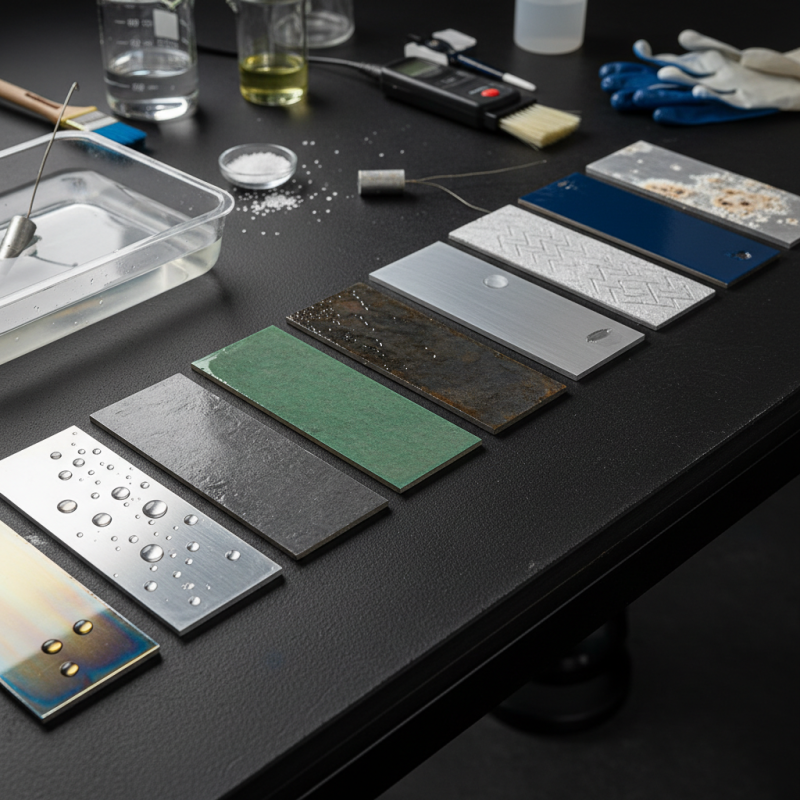
Understanding aluminium alloys is crucial for improving corrosion resistance. Aluminium alloys are widely used due to their light weight and strength. However, they are susceptible to corrosion. This happens mainly due to their exposure to environmental factors like moisture and salt. The corrosion mechanisms can vary, but galvanic corrosion is common when aluminium interacts with dissimilar metals.
To enhance resistance, you can implement several tips. Using protective coatings is one effective approach. These coatings create a barrier between the alloy and corrosive elements. Surface treatments like anodizing can also enhance corrosion resistance. This process thickens the oxide layer on the surface, adding durability.
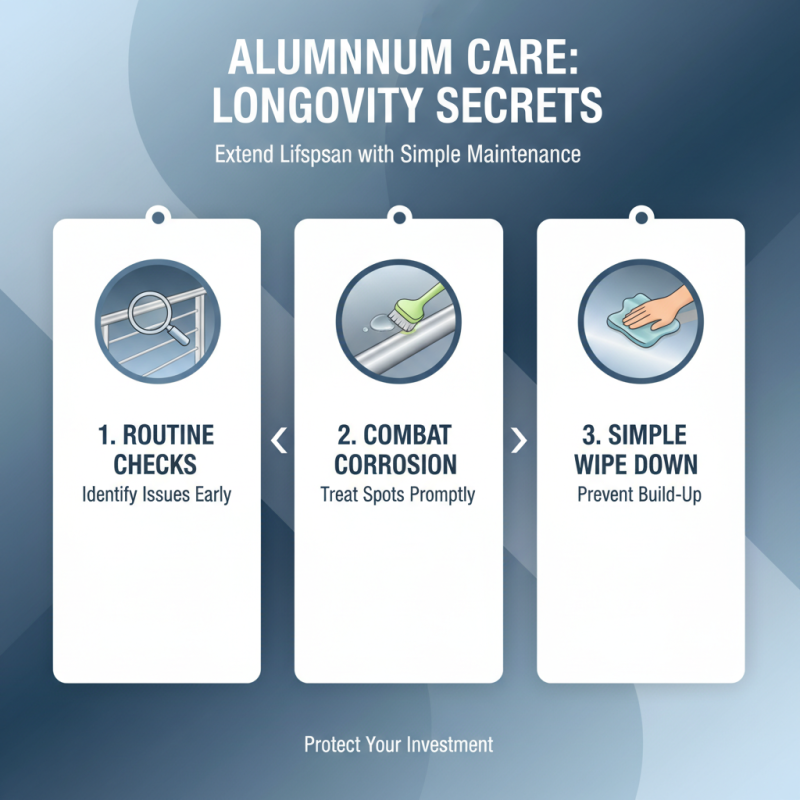
Another critical tip involves regular maintenance. Regular inspections help identify corrosion early. Addressing any signs of wear can prevent extensive damage. Combining these strategies can significantly improve the longevity of aluminium alloys in challenging environments.
Surface Treatments to Enhance Corrosion Resistance of Aluminium Alloys
Aluminium alloys are widely used in various applications due to their lightweight and strength. However, they are vulnerable to corrosion. Implementing surface treatments can significantly enhance their corrosion resistance. Proper treatment ensures durability and longevity in challenging environments.
One effective treatment is anodizing. Anodizing creates a thicker oxide layer on the aluminium surface. This layer increases resistance to corrosion and provides additional protection against wear. Another method is applying protective coatings. These coatings can be organic or inorganic. They form a barrier that prevents corrosive agents from reaching the metal underneath. Both treatments need careful application to be effective.
Passivation is another technique to enhance corrosion resistance. It improves the oxide layer's quality, making it more protective. Chemical treatments can also alter the aluminium’s surface to resist corrosion. Despite these treatments, environmental factors can still pose challenges. It’s crucial to regularly inspect treated surfaces and reapply treatments when necessary. Continuous monitoring helps in understanding the effectiveness of these methods.
10 Essential Tips for Improving Aluminium Alloy Corrosion Resistance
| Tip |
Description |
Effectiveness |
| Anodizing |
Enhances thickness of oxide layer on surface. |
High |
| Painting |
Provides a protective barrier against environment. |
Moderate |
| Sealants |
Fills in surface pores, preventing corrosion penetration. |
High |
| Surface Cleanliness |
Regular cleaning to remove dirt and contaminants. |
Moderate |
| Use of Sacrificial Anodes |
Protection through electrochemical sacrificial action. |
High |
| Selecting Alloy |
Choosing alloy with inherent corrosion resistance properties. |
High |
| Passivation |
Chemical treatment to enhance corrosion resistance. |
Moderate |
| Cathodic Protection |
Using external power supply to prevent corrosion. |
High |
| Regular Maintenance |
Conducting inspections and maintenance checks to identify issues. |
High |
| Avoiding Dissimilar Metals |
Preventing galvanic corrosion by avoiding contact with other metals. |
High |
Selecting the Right Alloy for Specific Environmental Conditions
Choosing the right aluminium alloy is critical for enhancing corrosion resistance in various environments. Studies show that alloys like 6061 and 7075 exhibit different levels of resistance based on their composition. For instance, 6061 has a magnesium-silicon composition. This alloy performs well in marine environments with lower chloride concentrations.
Environmental conditions greatly influence the performance of aluminium alloys. High humidity and saline environments can accelerate corrosion. According to a report from the Aluminium Association, alloys in the 5xxx series, which include magnesium, are generally preferable in such settings. However, these alloys can be less strong than the 6xxx series. This trade-off must be considered based on application requirements.
Engineers often rely on guidelines for selecting the right alloy. The American Society for Testing and Materials (ASTM) provides resources that delve into these details. Yet, these guidelines aren’t foolproof. Alloys still require careful evaluation for unique environmental challenges. It’s a complex process that often leaves room for improvement and reflection in alloy selection strategies.
Corrosion Resistance of Different Aluminium Alloys
Proper Design Strategies to Minimize Corrosion Risks
Designing with a focus on corrosion resistance is crucial for aluminium alloys. Effective design strategies can greatly minimize corrosion risks. One primary approach is to choose the right alloy for specific environments. Some alloys perform better in marine settings than others. Understanding the environment helps in selecting materials that resist specific corrosive elements.
Another key consideration is the design of joints and connections. Overlapping joints can trap moisture, creating corrosive conditions. Utilizing rivets or bolts correctly is essential. Designing for adequate drainage prevents water accumulation. Avoiding sharp corners and ensuring smooth surfaces can also enhance durability. These features reduce the likelihood of corrosion under stress.
Coatings can add another layer of protection. However, the choice of coating matters. Inappropriate coatings may lead to delamination or inadequate protection. Regular inspections are necessary as well. They help identify potential issues early. Awareness and education about these design principles are vital for anyone involved in handling aluminium alloys. This ongoing process requires attention to detail and a willingness to learn from past mistakes.