Choosing the right Aluminium Applications begins with the product’s real operating conditions, not with a material trend.
A lightweight alloy may reduce vehicle mass, yet it can struggle near high temperatures, saltwater, or repeated vibration. A building profile needs different priorities from a beverage can or a heat exchanger. Strength, corrosion resistance, formability, conductivity, joining method, surface finish, and total cost must work together. The cheapest option may create expensive machining or maintenance problems later. That mistake remains common.
Dr. Jürgen Hirsch, a respected aluminium metallurgy expert, has stated, “The properties of aluminium alloys are strongly influenced by their processing history.” This principle deserves attention. Rolling, extrusion, casting, heat treatment, and recycling can change performance significantly. Alloy selection alone is not enough.
Consider a marine component exposed to spray. Engineers should examine the alloy, protective coating, fasteners, weld design, and inspection schedule. For a façade, thermal movement and surface durability may matter more than maximum tensile strength. For packaging, low weight, safe forming, barrier performance, and efficient recycling usually guide the decision.
Measure the full lifecycle.
A reliable Aluminium Applications strategy combines laboratory data with field experience. It also checks relevant standards, supplier capability, recycled content, and local manufacturing limits. Small prototypes can reveal springback, cracking, galvanic corrosion, or unexpected finishing defects before large production begins. Results may challenge the original design. That is useful, not embarrassing.
The right choice is rarely the strongest alloy. It is the most balanced solution for the specific environment, process, service life, and sustainability target.
How to Choose the Right Aluminium Applications?
Choosing the right aluminium application starts with a clear purpose, not a preferred alloy or attractive finish. Define what the component must do in real service. Will it carry a load, transfer heat, resist moisture, or reduce weight? Record dimensions, operating temperatures, pressure, movement, and expected service life. A bracket inside a dry enclosure faces different demands from a coastal handrail. That difference matters.
Performance requirements should be measurable. Set limits for strength, stiffness, corrosion resistance, electrical conductivity, thermal behavior, and surface wear. Consider manufacturing too. A design may perform well on paper but fail during forming, welding, machining, or assembly. In practical engineering reviews, small details often decide reliability. Sharp corners can concentrate stress, while trapped water can accelerate corrosion. Ask for test data, inspection methods, and tolerances before approval. Do not rely on a generic “high performance” claim. It says too little.
Tips: Build a simple requirement table with target values, test conditions, and acceptable variation. Check loads under normal and unusual use. Include cleaning chemicals, outdoor exposure, vibration, and accidental impact. If requirements conflict, rank them openly. Lower weight may reduce stiffness. A polished surface may need more maintenance. I have seen projects underestimate installation damage, then blame the material. That assumption deserves review. Consult a qualified materials or design engineer when safety, pressure, or long service life is involved. Recheck the requirements after producing a prototype, because the first specification is rarely perfect.
Define the purpose first, then match the required mechanical performance to an appropriate aluminium alloy condition.
Representative ultimate tensile strength values for commonly used aluminium alloys in specified tempers. Final selection should also consider corrosion resistance, formability, weldability, thermal performance, and operating environment.
Choosing the right aluminium application starts with the grade, form, and service environment. Aluminium grades are not interchangeable. For machined brackets, 6061-T6 often offers a practical balance of strength, machinability, and corrosion resistance. A softer 5052 grade suits formed panels and marine-adjacent environments. Higher-strength options may improve load capacity, but they can reduce bendability or increase machining difficulty. Check the relevant material certificate, temper, and mechanical data before approving a drawing.
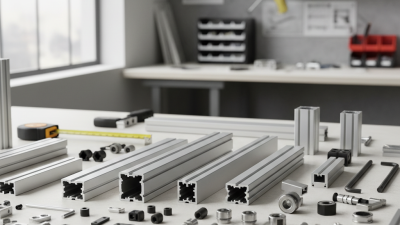
Form matters just as much. Sheet works well for covers, trays, and folded enclosures. Plate supports thicker structural parts and machined bases. Extrusions can create lightweight rails with consistent cross-sections. Tubes reduce weight in frames, although welding may change local strength. I have seen designs fail because engineers selected a suitable grade in an unsuitable form. The material was correct. The geometry was not.
Surface treatment should match handling and exposure. Anodizing creates a durable oxide layer and can improve appearance, but sharp edges may show colour variation. Powder coating provides broad colour choices and useful protection, though damaged areas need careful repair. Mill finish is economical for hidden components, but it can show scratches quickly. Chemical conversion treatments may support corrosion protection before painting. Test samples under real humidity, abrasion, and cleaning conditions. Laboratory results alone can mislead. Supplier claims also need verification. Think about tolerances after treatment, especially for sliding parts, threaded holes, and tight assemblies.
How to Choose the Right Aluminium Applications?
Match Aluminium Applications to Environmental Conditions
Aluminium selection should begin with the environment, not the product shape. Marine air carries chloride salts that can attack unprotected surfaces and accelerate pitting. In coastal projects, engineers often specify corrosion-resistant alloys, controlled finishing, and drainage that prevents saltwater retention. Avoid narrow crevices. They trap moisture.
Temperature also changes performance. Some aluminium alloys lose strength as temperatures rise, while repeated heating and cooling can loosen joints through thermal expansion. In cold regions, designers should examine impact performance, seal flexibility, and ice accumulation. Indoor use is not automatically safe. Cleaning chemicals, humidity, and cement dust can create aggressive local conditions.
The International Aluminium Institute reports that global primary aluminium production exceeded 70 million tonnes in 2023, increasing the importance of responsible material selection. Its recycling data also indicates that recycled aluminium requires about 5% of the energy used for primary production. However, recycling value depends on keeping alloys separated and uncontaminated. That practical detail is often overlooked.
The U.S. Geological Survey’s Mineral Commodity Summaries 2024 identifies aluminium as a major industrial material with extensive use in transport, construction, and packaging. Application decisions should therefore include inspection access, expected service life, and end-of-life recovery. A bright surface can look durable. It may not be. Testing under realistic humidity, salt exposure, and temperature cycles remains more reliable than appearance alone.
| Environmental Condition | Typical Exposure | Recommended Aluminium Alloy Families | Suitable Applications | Key Advantages | Important Design Considerations |
|---|---|---|---|---|---|
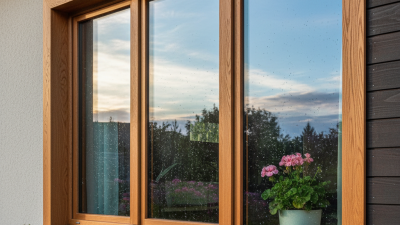
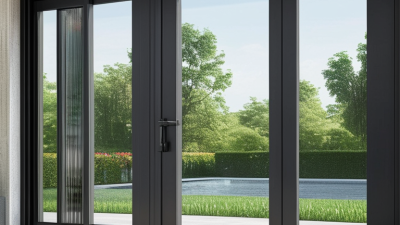
| General outdoor atmosphere | Rain, humidity, sunlight and normal urban pollution with no continuous immersion. | 5xxx series 6xxx series | Window and door frames, curtain walls, roof components, railings, architectural panels and general outdoor structures. | Good atmospheric corrosion resistance, low density and good formability. The 6xxx series also provides useful extrudability and moderate structural strength. | Use suitable drainage and avoid water traps. Surface finishing may be selected for appearance and additional protection. |
| Marine and coastal atmosphere | Salt spray, airborne chloride, high humidity and periodic wetting and drying. | 5xxx series Marine-grade 5xxx options | Marine decks, boat components, coastal railings, dock structures, offshore access platforms and seawater-exposed panels. | 5xxx alloys are generally valued for strong resistance to marine atmospheric corrosion and good weldability. | Prevent crevices and stagnant water. Electrically isolate aluminium from dissimilar metals where galvanic corrosion may occur. Specify welding and temper condition carefully. |
| Freshwater contact | Rainwater, freshwater tanks, pipes, splash zones and intermittent or continuous contact with low-salinity water. | 5xxx series 6xxx series | Water-handling assemblies, irrigation components, tanks, walkways, frames and freshwater equipment housings. | Useful corrosion resistance with a favorable strength-to-weight ratio and relatively easy fabrication. | Water chemistry matters. Avoid prolonged contact with stagnant water and confirm compatibility with cleaning agents, coatings and connected metals. |
| Industrial or mildly chemical atmosphere | Moisture combined with dust, sulfur compounds or low-to-moderate chemical contamination. | 5xxx series 6xxx series | Machine guards, process-area platforms, ventilation equipment, access ladders, enclosures and structural frames. | Low weight, good fabrication performance and useful resistance to many atmospheric environments. | Aluminium is not universally resistant to chemicals. Verify performance against the actual concentration, temperature, exposure time and cleaning process. |
| High-strength structural service | Outdoor or indoor structures subject to significant static or cyclic loads, with controlled corrosion exposure. | 2xxx series 7xxx series High-strength 6xxx options | Lightweight frames, transport structures, load-bearing members, aerospace-type components and high-performance mechanical parts. | Higher strength-to-weight potential than many general-purpose aluminium alloys. | Some high-strength alloys have lower corrosion resistance than 5xxx or 6xxx alloys. Apply appropriate protection and assess fatigue, stress-corrosion and joining requirements. |
| Welded assemblies | Fabricated structures requiring frequent welding, including outdoor and marine service. | 5xxx series Selected 6xxx series | Tanks, vehicle bodies, marine structures, pressure-free vessels, frames and welded platforms. | Many 5xxx alloys provide good weldability and retain useful corrosion resistance after fabrication. | Welding can reduce the strength of heat-treatable alloys in the heat-affected zone. Account for joint design, filler selection, distortion and post-weld inspection. |
| High-temperature service | Continuous or intermittent exposure above normal ambient temperature, including heat from engines or industrial equipment. | Heat-resistant aluminium options Selected 2xxx and 3xxx alloys | Heat exchangers, engine-adjacent components, thermal-management parts and industrial equipment covers. | Aluminium offers high thermal conductivity and low mass; certain alloy families are designed for improved elevated-temperature performance. | Strength generally decreases as temperature rises. Check long-term exposure, thermal cycling, creep, joint performance and dimensional expansion. |
| Low-temperature service | Cold storage, cryogenic-adjacent equipment and outdoor service in cold climates. | 5xxx series Selected 3xxx series | Cold-room components, refrigerated transport panels, storage equipment and low-temperature piping supports. | Many non-heat-treatable aluminium alloys maintain good toughness at low temperatures and do not show the same ductile-to-brittle transition typical of some steels. | Evaluate weld toughness, thermal contraction, seal performance and compatibility with insulation and fasteners. |
| Food and beverage processing | Contact with food products, wash-down water, humidity and approved cleaning solutions. | 1xxx series 3xxx series Selected 5xxx series | Processing equipment, trays, containers, ducting, conveyors and non-abrasive handling components. | Low density, good formability and useful corrosion resistance in many food-processing environments. | Confirm food-contact requirements, surface finish and cleaning-chemical compatibility. Avoid designs that retain residue or moisture. |
| Electrical and thermal management | Applications requiring electrical conductivity, heat dissipation or electromagnetic shielding. | 1xxx series 1xxx-based conductor grades Selected 6xxx series | Busbars, heat sinks, electrical enclosures, power-distribution components and heat-exchanger parts. | High electrical or thermal conductivity, low weight and good recyclability. Higher-purity aluminium generally provides better conductivity. | Balance conductivity against strength. Account for oxide-film resistance, joint preparation, thermal expansion and galvanic contact with other conductors. |
| Abrasion or sliding contact | Repeated rubbing, impact from particles or contact with moving components. | Selected 2xxx series Selected 7xxx series Surface-treated aluminium | Wear-resistant housings, guide components, mechanical parts and lightweight moving assemblies. | Higher-strength alloys and engineered surface treatments can improve wear performance while retaining low mass. | Aluminium is softer than many steels. Consider anodizing, hard coatings, inserts, lubrication and contact-pressure limits where wear is critical. |
| Decorative architectural exposure | Visible façades and interior or exterior elements where color, texture and surface uniformity are important. | 1xxx series 3xxx series 5xxx series 6xxx series | Cladding, signage, interior panels, partitions, handrails, lighting parts and decorative profiles. | Good formability, attractive appearance and compatibility with anodized, painted or other specified finishes. | Alloy and temper affect forming and surface appearance. Control handling, grain direction, cleaning, drainage and finish maintenance. |
Choosing an aluminium application starts with the manufacturing route, not the alloy label. Extrusion suits long profiles with repeated cross-sections, such as frames, rails, and heat-management channels. Sheet forming works well for panels, covers, and shallow enclosures. Casting supports complex shapes, but tooling costs and porosity risks need careful review. Machining delivers tight tolerances, although it removes material and increases waste. Welding can simplify assembly, yet heat may reduce strength near the joint. Keep it practical.
Cost estimates should include more than the quoted material price. Ask for tooling, setup, cutting, finishing, inspection, packaging, and transport costs. Small production runs often make custom dies difficult to justify. A standard profile may cost less, even when it needs extra machining. Compare the cost per usable component, not per kilogram. Also check lead times. A cheaper process is not helpful if it delays installation or requires repeated corrections. Tolerances deserve attention here; unnecessarily tight dimensions can raise costs without improving performance.
Maintenance depends on exposure, joint design, and surface treatment. Outdoor parts may need drainage, protective finishing, and scheduled visual inspections. Salt, trapped water, and contact with dissimilar metals can accelerate corrosion. Use suitable isolating washers where galvanic contact is possible. Clean surfaces with approved mild methods, not aggressive abrasives. In practice, maintenance plans are sometimes too optimistic. A monthly inspection may be ignored in a dusty plant, while a yearly check may miss early damage. Choose an interval that operators can realistically follow, then revise it after observing actual wear.
Before choosing an aluminium application, identify loads, temperatures, moisture, chemicals, and service cycles. Check the load path. A light profile can still fail at a joint, thread, or heat-affected zone. Practical testing should examine yield strength, fatigue performance, corrosion resistance, and fire behavior under realistic conditions. Material certificates help, but traceable test records provide stronger evidence.
Match the alloy, temper, dimensions, and surface treatment to the applicable standard. EN 755 covers important requirements for many extruded aluminium products, while ASTM B221 is widely used for extruded bars, profiles, tubes, and related products. ISO 9223 can support assessment of atmospheric corrosivity. Salt-spray results alone are not enough. Site exposure can be harsher, especially near roads, factories, or seawater.
Long-term suitability also includes maintenance, repair, disassembly, and recycling. The International Aluminium Institute reports that secondary aluminium production requires about 5% of the energy used for primary aluminium. UNEP’s Global Resources Outlook 2024 projects material extraction could rise by 60% by 2060 without stronger resource management. Recycled content does not prove durability. Preserve alloy identity where possible. Document every assumption.
I would also record the uncertainties, because design decisions sometimes look precise while relying on incomplete field data.