



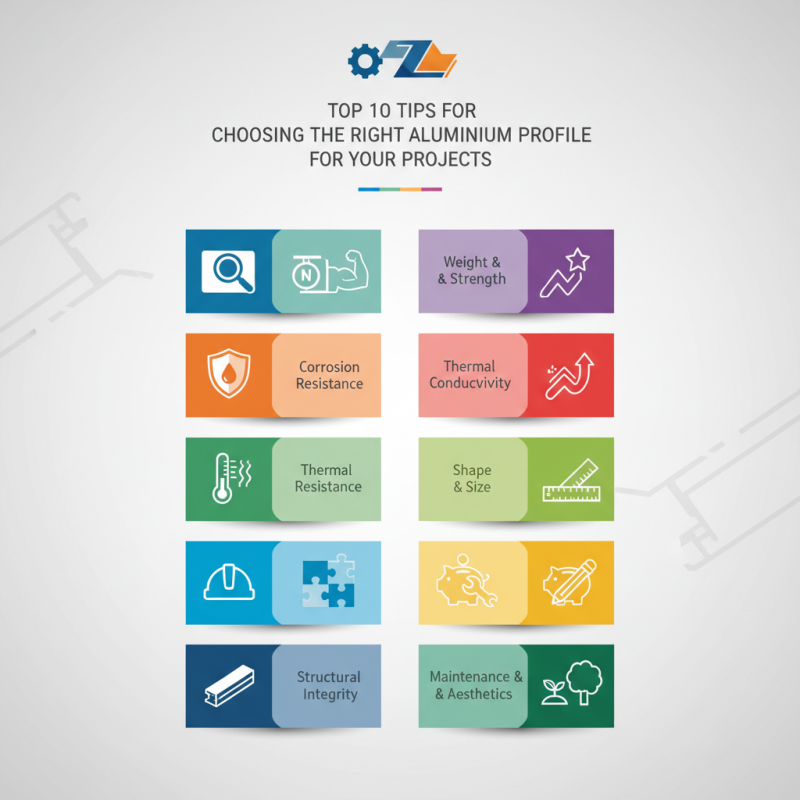
Top 10 Tips for Choosing the Right Aluminium Profile for Your Projects?
Choosing the right aluminium profile for your projects can significantly impact their success. Renowned industry expert, John Smith, emphasizes, "Quality aluminium profiles can make or break your project." His words highlight the importance of careful selection.
Aluminium profiles come in various sizes and shapes, affecting functionality and aesthetics. Understanding your project's specific needs is essential. Many professionals often overlook the importance of weight and strength, leading to unexpected issues. Choosing inappropriate profiles can result in structural failures or design flaws.
It is vital to consider factors such as corrosion resistance and thermal conductivity. Ignoring these can lead to higher maintenance costs and decreased performance. The right aluminium profile should not only meet immediate needs but also align with future project goals. Remember, even small choices can have big consequences.
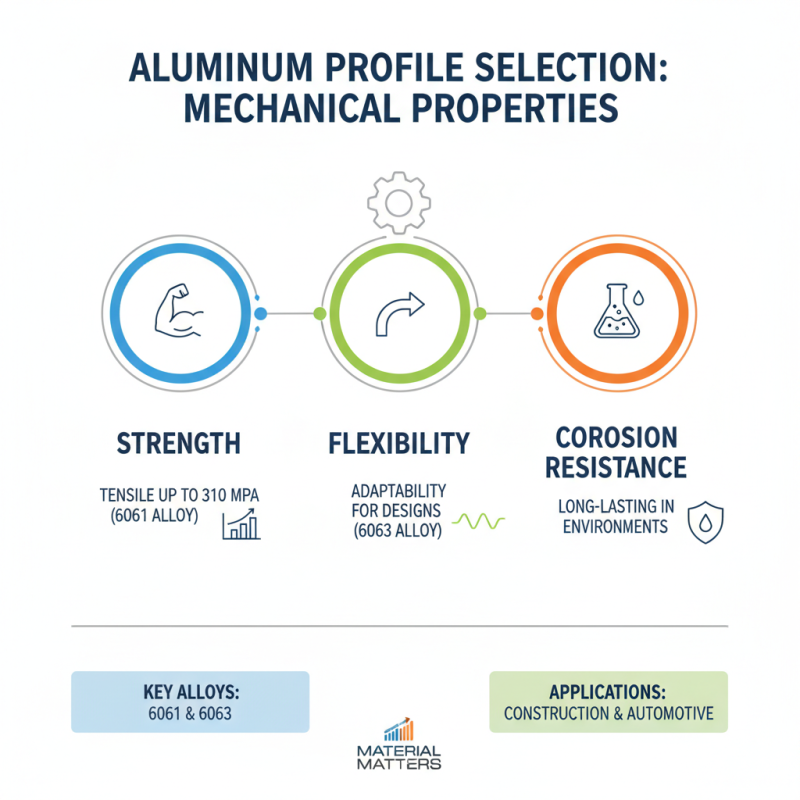
Understanding Aluminium Profiles and Their Applications
Aluminium profiles are versatile components used in construction and manufacturing. They come in various shapes and sizes, each tailored for specific applications. For instance, you might find square, rectangular, or custom profiles that suit different structural needs. Understanding these shapes is crucial for achieving the intended design and strength for your project.
When selecting an aluminium profile, consider its intended use. A profile meant for outdoor applications needs to resist corrosion. Some coatings help, but the base material also matters. If you're working on a project that requires lightweight materials, ensure your profile choice supports that without compromising durability. Sometimes, it’s easy to overlook the environment or specific stress points where the profile will be used. This can lead to unexpected failures.
Budget constraints often influence profile choices. While it might be tempting to cut costs, the materials’ quality shouldn't be sacrificed. In some cases, less expensive options may not hold up long-term. Reflection is essential here; cheaper profiles might lead to higher costs down the line due to replacements or repairs. Each project demands a careful balance between budget and quality. Understanding aluminium profiles can help make informed decisions that align with project goals.
Top 10 Tips for Choosing the Right Aluminium Profile for Your Projects
| Tip Number | Tip Description | Key Considerations | Typical Applications |
|---|---|---|---|
| 1 | Determine the load requirements | Weight capacity, tensile strength | Structural framework, supports |
| 2 | Choose the right alloy | Corrosion resistance, strength | Architectural applications, marine |
| 3 | Consider the profile shape | Aerodynamics, aesthetics | Transportation, furniture |
| 4 | Evaluate thermal properties | Thermal conductivity, insulation | Windows, doors, enclosures |
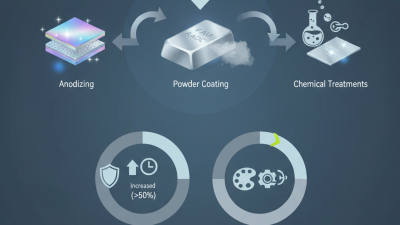
| 5 | Assess the surface finish options | Anodizing, painting, polishing | Consumer products, signage |
| 6 | Consider the fabrication process | Extrusion, machining, bending | Custom frames, support structures |
| 7 | Analyze cost vs. performance | Budget constraints, longevity | Industrial applications, equipment |
| 8 | Check for available standards and certifications | Industry standards, regulatory compliance | High safety requirements, aerospace |
| 9 | Seek expert advice if necessary | Consulting professionals, engineers | Complex projects, custom solutions |
| 10 | Think about the end-of-life recyclability | Sustainability, environmental impact | Construction, renewable energy systems |
Related Posts
-

How to Choose the Best Aluminium Profile for Doors and Windows Installation
-

2026 Top Trends in Aluminium T Slot Profile Systems What You Need to Know?
-

10 Essential Tips for Choosing Aluminium Extrusions in NZ
-

Top 10 Benefits of Choosing Aluminium Windows in Turkey for Your Home
-
Why Choose Aluminium Heat Sink Material for Efficient Thermal Management?
-
What is Aluminium Surface Treatment Methods and Their Benefits?


