RQ-2
RQ-3
RQ-1
RQ-4

Discover the Top 10 Aluminium Surface Finishing Techniques?

Aluminium surface finishing plays a crucial role in various industries. It enhances aesthetics, durability, and corrosion resistance. According to a report by the Aluminium Association, the finishing market for aluminium is projected to grow significantly, reaching approximately $2.5 billion by 2025. This growth reflects the increasing demand for high-quality aluminium products in aerospace, automotive, and construction.

Different techniques exist for aluminium surface finishing. These methods not only improve performance but also influence the overall lifecycle of the material. For instance, powder coating provides a tougher exterior, while anodizing enhances corrosion resistance. However, each technique has its advantages and drawbacks. Some methods may require more energy, leading to higher operating costs.

Choosing the right aluminium surface finishing technique can be challenging. It depends on the specific application and desired characteristics. The variability in results can lead to unexpected outcomes. Industry experts encourage companies to weigh these factors carefully. Understanding the nuances of each method is essential for achieving the best results in aluminium surface treatment.
Discover the Top 10 Aluminium Surface Finishing Techniques?

Introduction to Aluminium Surface Finishing Techniques

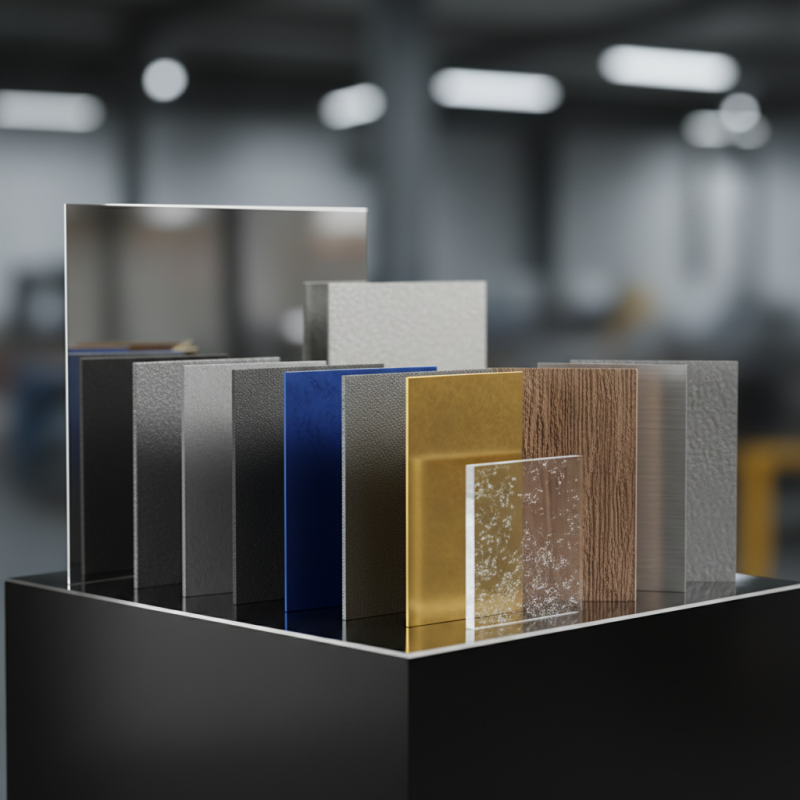
Aluminium surface finishing techniques play a critical role in various industries. These methods enhance the appearance and performance of aluminium products. They also improve corrosion resistance and durability. Different techniques cater to diverse applications. Understanding them can help in making informed decisions about material choice.

During processing, surface finishes can vary in quality. Some methods might not achieve the desired aesthetic or functional results. For example, polishing can create a bright surface but may require frequent maintenance. On the other hand, anodizing offers a protective layer but can alter the color. These inconsistencies prompt reflection on choosing the right technique for specific needs.

Each finishing process has its unique advantages and challenges. Factors like environmental impact and cost must be considered. The complexity of the finishes can lead to unintended consequences. Professionals must weigh the pros and cons carefully. Effective aluminium finishing requires experience and expertise, ensuring long-lasting results.
Understanding the Importance of Surface Finishing for Aluminium

Surface finishing is a critical aspect of aluminium treatment. It enhances aesthetic appeal and improves durability. Reports indicate that 80% of aluminium components rely on finishing processes. These techniques reduce corrosion and extend lifespan. Proper surface finishing can increase an aluminium's resistance to wear and tear significantly.

The primary goal of surface finishing is to prepare aluminium for various applications. Different methods such as anodizing and powder coating create protective layers. This ensures that parts withstand harsh environments. According to industry studies, untreated aluminium may suffer corrosion within weeks. Finishing techniques can prolong service life by up to ten years.

However, not every method suits all applications. The choice of technique can affect performance and cost. It's essential to consider the environment and mechanical stresses. Companies often overlook these factors, leading to suboptimal results. Understanding these nuances is vital for any manufacturing process. Balancing cost with quality remains a constant challenge in this industry.

Overview of Common Aluminium Surface Finishing Techniques

Aluminium surface finishing is crucial for aesthetics and durability. Various techniques enhance the metal's appearance and resistance to corrosion. Among these methods, anodizing is popular. It creates a thick layer of oxide on the surface. This coating is not only protective but also allows for dyeing in various colors.

Another technique is powder coating, which creates a tough finish. Powdered paint is electrostatically applied and cured, resulting in a resilient layer. It comes in endless colors, offering design flexibility. However, achieving uniform coverage can be a challenge. Poor application could lead to visible defects.

Mechanical polishing provides a reflective finish. It involves grinding and buffing the surface until smooth. While this method can enhance the visual appeal, it may not offer long-lasting protection. It's essential to weigh aesthetic gains against potential deterioration over time. Understanding the strengths and weaknesses of each technique is vital for optimal results.

Discover the Top 10 Aluminium Surface Finishing Techniques

Technique Description Applications Benefits
Anodizing Electrochemical process that converts the surface of aluminium into a decorative, durable, corrosion-resistant anodic oxide finish. Architectural components, automotive parts. Increased corrosion resistance, ability to absorb dye, and increased surface hardness.
Powder Coating A dry finishing process that uses finely ground particles of pigment and resin, which are applied electrostatically and cured under heat. Furniture, appliances, and automotive parts. Durable finish, variety of colors, and eco-friendly.
Brushing Mechanical finishing technique that gives a textured surface finish to aluminium. Interior design elements, consumer electronics. Aesthetic appeal and reduced visibility of fingerprints.
Chemical Etching Process where a chemical solution is used to remove a thin layer of material to create a specific pattern or finish. Electronics, industrial applications. Precision marking and intricate designs.
Painting Application of paint to aluminum surfaces for aesthetic and protective purposes. Automotive, aerospace components. Wide range of colors and finishes.
Polishing Physical smoothing of metal surfaces to achieve a shiny, reflective finish. Decorative items, automotive trim. Enhanced aesthetic appeal and reflection properties.
Galvanizing Coating of aluminium with a protective layer of zinc to prevent corrosion. Construction, outdoor applications. Long-lasting protection against corrosion.
Electroplating Process of depositing a layer of metal onto the surface of aluminium via electrolysis. Jewelry, automotive parts. Improvement of surface properties such as corrosion resistance.
Laser Engraving Utilizing lasers to engrave designs or patterns onto aluminium surfaces. Marketing materials, decorative elements. High precision and permanent marking.
Sandblasting A process where abrasive material is propelled against the surface of the aluminium to create texture. Architectural surfaces, industrial products. Uniform textures and enhanced surface adhesion for coatings.

Detailed Analysis of the Top 10 Aluminium Surface Finishing Methods

Discover the Top 10 Aluminium Surface Finishing Techniques?

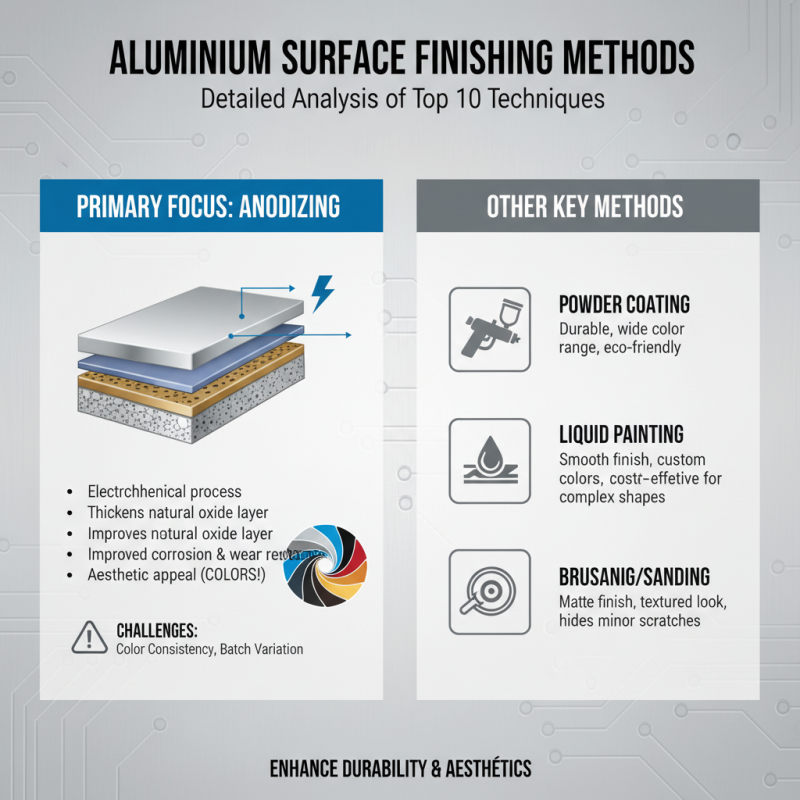
Aluminium surface finishing techniques play a crucial role in enhancing the appearance and durability of products. Among the most effective methods is anodizing, which thickens the natural oxide layer. This process improves corrosion resistance and can create vibrant colors. However, color consistency can sometimes be a challenge, especially with batch production.

Another popular technique is powder coating. This method involves applying a dry powder that is then cured under heat. It provides a robust finish that is both aesthetically pleasing and resistant to scratches. The downside may include longer curing times and the potential for uneven application if not done correctly.

Brushing and polishing also enhance aluminium surfaces. Brushing creates a textured look, while polishing offers a shiny, high-gloss finish. Both methods require skill and can be inconsistent if performed by untrained individuals. The surface preparation step is vital and often overlooked, impacting the final results significantly. Attention to detail is essential for achieving the desired finish.

Factors to Consider When Choosing a Surface Finishing Technique

When choosing an aluminium surface finishing technique, several factors should come into play. The type of application heavily influences the selection. For instance, decorative finishes may prioritize aesthetics and corrosion resistance over mechanical properties. Reports indicate that up to 75% of users focus on appearance in consumer products. Knowledge of the environment where the finished product will reside is crucial. Will the surface face moisture, chemicals, or extreme temperatures? Such conditions can lead to rapid degradation if not properly addressed.

Another key consideration is the desired durability. Different finishes provide varying levels of wear resistance and longevity. Anodizing, for example, enhances surface hardness and is often preferred for outdoor applications. Studies show that anodized surfaces can be 30% more resistant to scratches compared to untreated aluminium. Cost also plays a significant role. Some techniques may offer lower initial costs but higher lifetime maintenance expenses. A balance must be struck between budget constraints and performance expectations.

Lastly, regulatory compliance can complicate decisions. Some industries face stringent requirements for toxic emissions or waste disposal. In such cases, solvent-based finishes might be less viable. Understanding these variables helps inform a better choice, ensuring both the functional and aesthetic needs are met.

Top 10 Aluminium Surface Finishing Techniques

Please feel free to contact us