Top 10 Aluminium Profile Manufacturers In China You Should Know?
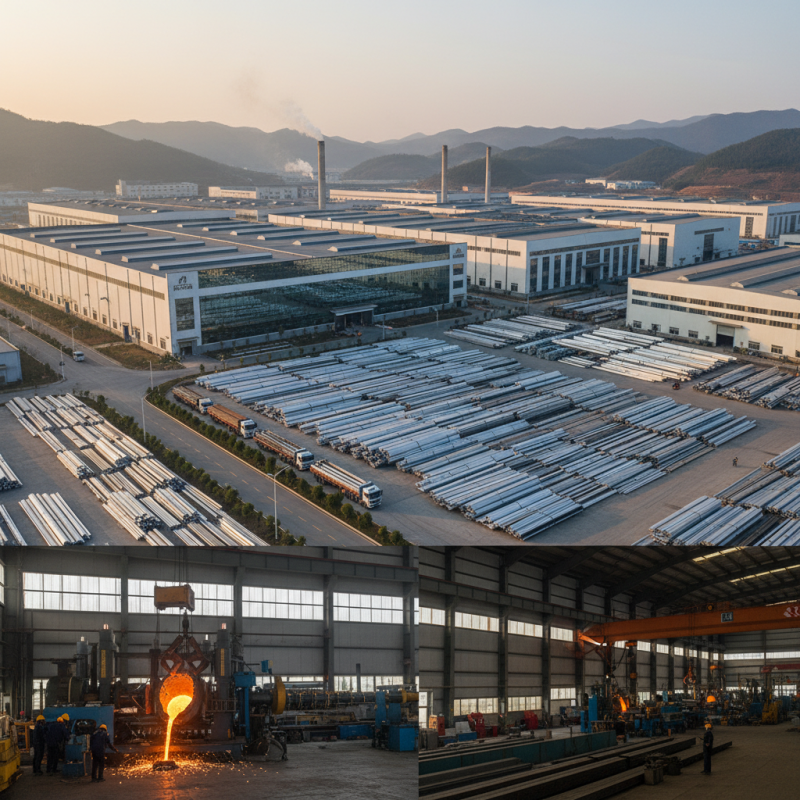
Aluminium profile manufacturers in China play a crucial role in the global market. They produce a wide range of high-quality aluminium extrusions. With the demand for lightweight and durable materials rising, choosing the right manufacturer is essential.
Several companies stand out due to their innovation and product range. This industry is competitive but can be daunting for newcomers. Many manufacturers offer various services, from custom designs to high-volume production. However, finding a reliable supplier can be challenging.
Quality varies among manufacturers, and not all meet international standards. It's important to assess their capabilities and reputation before partnering. Each manufacturer has strengths and weaknesses. Close examination of their products and customer feedback can help in making informed decisions.
Top Aluminium Profile Manufacturers in China: An Overview of the Industry
China's aluminium profile manufacturing industry is booming. In 2022, the market size reached approximately $37 billion. This growth is driven by increasing demand in construction and automotive sectors. Industry reports indicate a compound annual growth rate (CAGR) of around 5% expected over the next few years.
The country's leading manufacturers demonstrate a significant focus on innovation. Many companies invest heavily in research and development. This is vital as they face intense global competition. Only the firms that adapt to market needs can thrive. However, not all companies meet quality standards. Some struggle with efficiency, leading to inconsistent production quality.
Sustainability is another critical aspect of this industry. A substantial portion of aluminium products in China is recycled. Approximately 30% of aluminium used comes from recycled sources. As consumers increasingly prioritize eco-friendly products, manufacturers must enhance their sustainability practices. Remaining competitive means balancing cost, quality, and environmental responsibility.
Market Share Analysis of Leading Aluminium Profile Producers in China
In the competitive landscape of aluminium profile manufacturing, understanding market share is crucial. Many producers in China have established a stronghold in the industry. They focus on cost-effective solutions, which attract various sectors. The demand for lightweight materials drives this growth. However, not all companies maintain consistent quality standards.
Leading manufacturers vary considerably in production capabilities. Some emphasize mass production while others prioritize custom solutions. This disparity often leads to different market shares among producers. While the larger companies dominate, numerous small and medium-sized players also contribute significantly. Yet, they may struggle with scalability and maintaining quality over time.
The market is constantly evolving, influenced by technological advancements and sustainability goals. Consumers are increasingly seeking environmentally friendly materials. Meanwhile, some manufacturers face challenges, such as rising raw material costs and stricter regulations. Adaptability becomes a key factor for success. As the industry matures, understanding these dynamics is essential for stakeholders.
Key Innovations in Aluminium Profile Manufacturing Techniques in China
Aluminium profile manufacturing in China has evolved significantly, driven by innovation and advanced techniques. Recent industry reports indicate that the market is projected to grow at a compound annual growth rate (CAGR) of 5.2% from 2023 to 2028. This growth is fueled by breakthroughs in production efficiency and sustainability.
One key innovation in this sector is the adoption of advanced extrusion processes. These processes allow manufacturers to create complex shapes while minimizing waste. Reports show that modern profile extrusion can reduce energy consumption by up to 30%, leading to both cost savings and a lower carbon footprint.
Another notable trend is the integration of digital technology. Smart manufacturing systems enable real-time monitoring of production lines. This leads to improved quality control and faster production cycles. However, challenges remain in data security and the need for skilled personnel to manage these systems.
Tip: Investing in training for your workforce can significantly enhance the effectiveness of new technologies. Empowering employees equips them to handle innovations and address potential challenges.
Moreover, manufacturers are increasingly focusing on recycled aluminium sources. It's estimated that using recycled material can reduce energy consumption by 95%. However, ensuring a steady supply of high-quality recycled aluminium is often a struggle. Balancing demand with sustainability goals poses ongoing challenges in the industry.
Tip: Collaborating with local suppliers can enhance your access to high-quality recycled aluminium. Building a network can ease the sourcing process.
Top 10 Aluminium Profile Manufacturers in China - Production Capacity
Sustainability Practices Among China's Top Aluminium Profile Manufacturers
Sustainability has become a vital focus for aluminium profile manufacturers in China. Many companies are adopting eco-friendly practices to reduce their environmental impact. Some manufacturers are investing in recycling programs to minimize waste. These programs allow them to recycle scrap aluminium back into new profiles, closing the production loop.
Water conservation is another important aspect of their sustainability efforts. Several manufacturers are implementing systems to recycle water used in production processes. Using advanced filtration and purification techniques, they reduce fresh water consumption significantly. This approach not only helps the environment but also lowers operational costs.
Despite these positive steps, challenges remain. Some companies still rely on traditional energy sources, leaving a larger carbon footprint. Additionally, the pace of change can be slow. Many manufacturers are aware of the need for improvement but may struggle to implement sustainable practices effectively. Addressing these issues is essential for a more resilient industry.
Top 10 Aluminium Profile Manufacturers In China You Should Know?
| Rank |
Annual Production Capacity (Metric Tons) |
Sustainability Practices |
Certifications |
Headquarters Location |
Export Markets |
| 1 |
300,000 |
Recycling initiatives, energy-efficient production methods |
ISO 9001, ISO 14001 |
Shanghai |
North America, Europe, Asia |
| 2 |
250,000 |
Water conservation, low carbon footprint |
ISO 9001, CE |
Guangdong |
Australia, Middle East |
| 3 |
200,000 |
Sustainable sourcing, waste reduction |
ISO 45001, ISO 14001 |
Beijing |
South America, Africa |
| 4 |
150,000 |
Solar energy integration, eco-friendly products |
ISO 9001, RoHS |
Zhejiang |
Europe, Asia |
| 5 |
100,000 |
Green building material compliance, energy efficiency |
ISO 9001, LEED |
Fujian |
North America, Australia |
| 6 |
80,000 |
Energy recovery systems, plant-based lubricants |
ISO 14001, OHSAS 18001 |
Jiangsu |
Asia, Middle East |
| 7 |
60,000 |
Life cycle assessment, recycling programs |
ISO 9001, ISO 14001 |
Shandong |
North America, Europe |
| 8 |
50,000 |
Carbon neutrality goals, eco-labeling initiatives |
ISO 9001, Green Seal |
Tianjin |
Africa, South America |
| 9 |
40,000 |
Resource efficiency, biodegradable materials |
ISO 14001, EMAS |
Henan |
Europe, Asia |
| 10 |
30,000 |
Pollution reduction strategies, sustainable packaging |
ISO 9001, ISO 14001 |
Guangxi |
North America, Oceania |
Emerging Trends in Demand for Aluminium Profiles in Global Markets
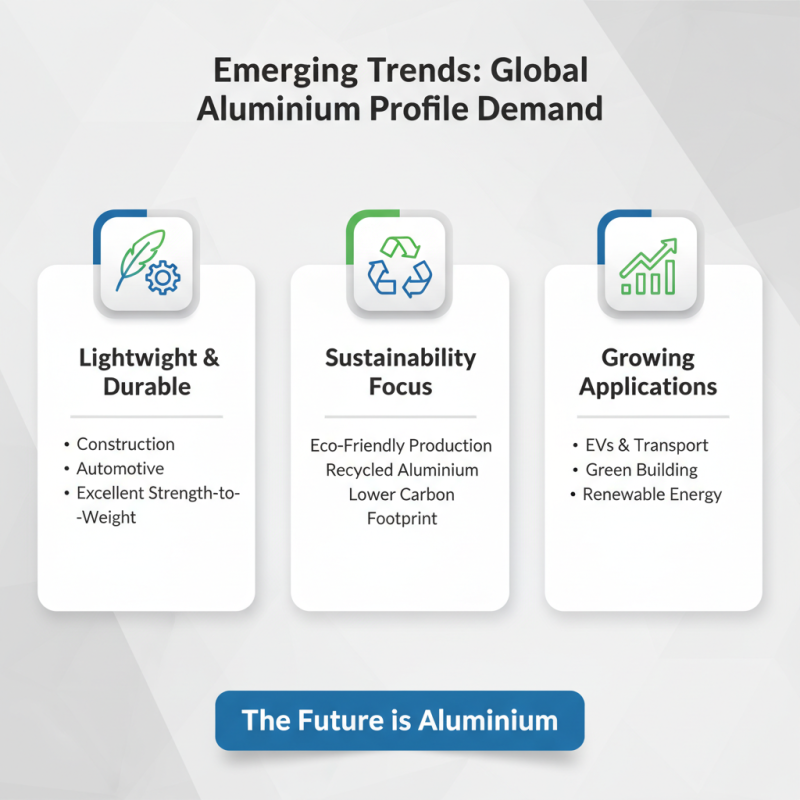
The demand for aluminium profiles is evolving rapidly in global markets. Industries now require lightweight yet durable materials for various applications. From construction to automotive, aluminium profiles provide excellent strength-to-weight ratios. As sustainability becomes a priority, businesses seek eco-friendly production methods. Recycled aluminium, for instance, is gaining traction. It offers a lower carbon footprint compared to virgin materials.
Technological advancements are also influencing trends. Automated manufacturing processes increase efficiency and reduce costs. Innovative designs allow for more complex shapes and greater functionality. Companies must adapt quickly to stay competitive. However, some manufacturers struggle with the transition. They may need additional training or investment to implement new technologies effectively.
Consumer preferences are shifting towards customizable options. Businesses are finding they must offer more variety to meet specific needs. This shift can create challenges in inventory management and production schedules. Not every company is ready to pivot. Identifying market demands and planning effectively is crucial for growth. The future of aluminium profiles is dynamic, yet requires careful navigation by manufacturers.