RQ-2
RQ-3
RQ-1
RQ-4

Best China Aluminium Profiles for Turkey Buyers

Turkey’s construction, furniture, automotive, and solar industries continue to value lightweight, corrosion-resistant aluminium components. For buyers searching “Aluminium Profiles Turkey,” supplier selection should begin with verified performance, not attractive catalogue photos. Profile alloy, temper, wall thickness, dimensional tolerance, surface finish, and packaging directly affect project results.

The U.S. Geological Survey’s Mineral Commodity Summaries 2024 estimated global aluminium production at about 70 million metric tons in 2023. This scale shows aluminium’s industrial importance, but it also highlights supply-chain complexity. China remains a major producer, while Turkish buyers must evaluate lead times, export documentation, customs classification, and technical conformity. EN 755 and EN 12020 provide useful references for mechanical properties and extrusion tolerances. They are not substitutes for project-specific testing.

A reliable supplier should provide mill certificates, alloy test results, coating specifications, and traceable batch numbers. Ask for samples. Inspect the corners, anodized colour, protective film, and cut ends under normal warehouse lighting. Small defects become expensive during installation. The International Aluminium Institute reports that recycling aluminium can save up to 95% of the energy required for primary production, making recycled content a meaningful sustainability question. Yet recycled content claims need evidence, not vague green language.

No checklist is perfect. Buyers should still compare samples against drawings and expected service conditions. A strong evaluation also considers communication speed, tooling ownership, minimum order quantities, replacement policies, and after-sales support. The best China aluminium profiles for Turkey buyers are not simply the cheapest. They are consistent, documented, compatible, and realistically deliverable. That judgment requires technical questions before commercial promises.
Best China Aluminium Profiles for Turkey Buyers

Understanding Aluminium Profile Needs in the Turkish Market

Turkish buyers need aluminium profiles that match demanding climate, construction, and cost conditions. TÜİK recorded 1,478,968 dwelling sales in 2024, showing continued activity in residential construction. However, volume alone does not define the correct profile. Coastal cities need stronger corrosion protection, while central regions require reliable thermal performance during cold winters and hot summers.

The International Aluminium Institute estimates that about 75% of aluminium ever produced remains in productive use. This supports aluminium’s long service life and recycling value. For Turkish windows, doors, façades, and solar structures, buyers should request alloy certificates, dimensional tolerances, and test results. EN 755 and EN 12020 references can help verify mechanical properties and extrusion accuracy. Thermal-break systems also deserve close attention. A profile may look strong but perform poorly without suitable polyamide insulation, correct gasket design, and controlled assembly.

Powder coating quality matters near the Aegean and Mediterranean coasts. Ask for coating thickness records and pretreatment details, not only colour samples. Salt-spray testing can reveal weak preparation, although it cannot fully reproduce every Turkish location. A cheaper section is not always a cheaper project. Some procurement teams still compare price per kilogram, which can hide higher machining waste and installation labour. I would also review packaging carefully. Bent corners, moisture, and poor separators create avoidable losses before the profiles reach the site. Based on European Aluminium guidance, recycled content and end-of-life recovery should be discussed early, not added as an afterthought.

Best China Aluminium Profiles for Turkey Buyers

Representative mechanical-strength benchmarks for commonly specified aluminium profile alloys

How Turkish buyers can use this chart: EN AW-6060 and EN AW-6063 are widely used for architectural systems such as windows, doors, curtain walls and interior profiles because they offer good extrusion performance and surface finishing. EN AW-6082 provides higher strength for heavier-duty structural applications. Actual values depend on temper, wall thickness and the applicable product standard, so final specifications should be verified against EN 755-2 and the project requirements.

Reference framework: EN 573-3 and representative EN 755-2 minimum mechanical-property values; values shown in MPa.

Key Aluminium Profile Types and Applications

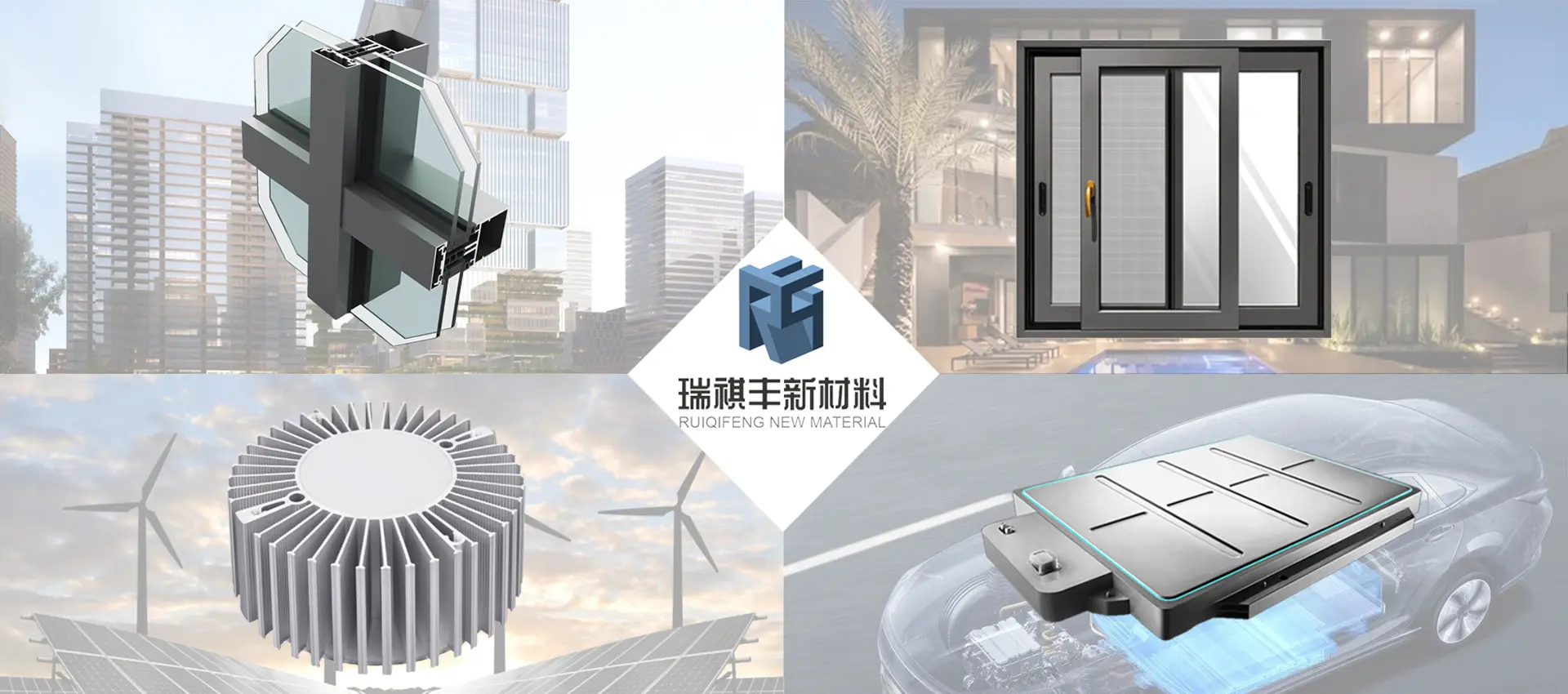
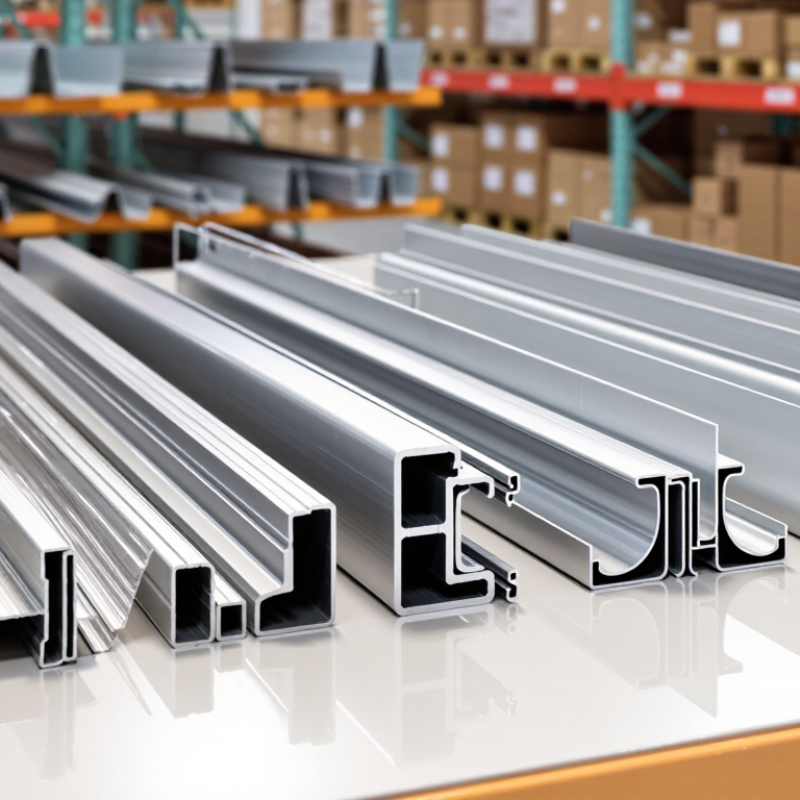
For Turkey buyers, aluminium profiles should match the building, climate, and fabrication method. Common choices include standard extrusions, thermal-break profiles, sliding-door sections, curtain-wall systems, and structural profiles. Each type solves a different problem.

Thermal-break profiles suit windows and façades in Istanbul, Ankara, and colder inland areas. They reduce heat transfer through the frame. Sliding-door profiles need accurate tracks and strong rollers. Curtain-wall profiles support glass façades while managing wind loads and drainage. T-slot profiles work well for factory guards, worktables, and solar equipment frames. For transport projects, thicker structural sections may provide better stiffness. However, thicker is not always better. It can increase weight, machining time, and freight cost.

Tips: Confirm the alloy, temper, wall thickness, and tolerance before ordering. EN 755 and EN 12020 references can help evaluate extrusion quality. Ask for mill certificates, coating reports, and sample measurements. Coastal buyers should consider anodizing or durable powder coating because salt air can damage weak finishes. Check whether the profile fits local accessories and Turkish installation practices. Small mismatches cause expensive delays.

A practical supplier should review drawings, cutting lengths, surface requirements, and packaging conditions. I have seen projects fail because the profile looked correct but did not fit the gasket. Request a trial batch first. That extra step may feel slow, but it reveals errors before full production.

Best China Aluminium Profiles for Turkey Buyers - Key Aluminium Profile Types and Applications
Aluminium Profile Type Common Alloy and Temper Typical Cross-Section or Wall Thickness Main Applications Key Performance Characteristics Common Surface Finishes Relevant Standards and Quality Points Suitability for Turkey Buyers
Architectural Window and Door Profiles 6063-T5 or 6063-T6 Usually 1.2–2.5 mm for residential systems; engineered systems may be thicker Sliding windows, casement windows, entrance doors, balcony systems, shopfronts and curtain-wall components Good extrudability, attractive appearance, moderate strength and reliable corrosion resistance Mill finish, anodized finish, powder coating or wood-effect coating Dimensional control, alloy verification, coating thickness, color consistency, corner-joint accuracy and weather-sealing compatibility should be checked Suitable for residential and commercial construction; thermal-break systems are preferred where energy efficiency and condensation control are important
Thermal-Break Door and Window Profiles 6063-T5 or 6063-T6 aluminium with polyamide thermal barriers Aluminium wall thickness commonly 1.4–2.5 mm; thermal-barrier dimensions depend on the system design Energy-efficient windows, balcony doors, façade openings and higher-performance commercial buildings Reduces heat transfer through the frame and can improve indoor comfort and condensation resistance Powder coating, anodizing or dual-color coating for interior and exterior faces Thermal-barrier material, insertion quality, air-water-tightness, frame deformation and system test results are important quality checks Well suited to colder inland regions and projects with energy-efficiency requirements; system compatibility must be confirmed before ordering
Curtain Wall and Façade Profiles 6063-T5/T6; 6061-T6 may be selected for higher-load components Commonly 1.5–3.0 mm, with larger structural sections designed according to span and load Commercial façades, glazed buildings, atriums, skylights and large architectural envelopes Lightweight, corrosion-resistant and adaptable to pressure-plate or structural-glazing systems Anodized finish, powder coating, PVDF coating or mill finish for concealed components Structural calculations, wind-load resistance, drainage design, glass compatibility, coating performance and extrusion straightness should be documented Appropriate for urban commercial projects; profile design should be verified against local wind, seismic and façade-engineering requirements
Industrial Structural Profiles 6061-T6, 6063-T5/T6 or 6005A-T6 depending on strength requirements Commonly 1.5–5.0 mm; heavy-duty sections may be thicker Machine frames, workstations, guarding, conveyors, automation equipment and modular production lines High strength-to-weight ratio, machinability, modular assembly and good corrosion resistance Mill finish, anodized finish or powder coating Alloy and temper certificates, straightness, twist, dimensional tolerances, hole positioning and machining accuracy should be verified Suitable for manufacturing, logistics and automation applications; T6 temper is commonly used when higher mechanical strength is required
Solar Mounting and Photovoltaic Profiles 6005A-T6, 6063-T5/T6 or 6061-T6 Typically 1.5–3.0 mm, depending on rail span, wind load and fastening method Solar module rails, rooftop supports, ground-mounted frames, clamps and panel-edge components Low weight, good corrosion resistance, easy drilling and compatibility with bolted connections Mill finish or anodized finish; anodizing is often selected for exposed applications Load capacity, deflection, fastener compatibility, galvanic-corrosion control, drainage and outdoor coating durability should be evaluated Suitable for rooftop and ground-mounted solar projects; designs should account for local wind, snow and coastal exposure conditions
Heat Sink Profiles 6063-T5/T6 or 6061-T6 Fin thickness often 0.8–2.0 mm; base thickness commonly 2.0–6.0 mm LED lighting, power supplies, control cabinets, industrial electronics and telecommunications equipment High thermal conductivity, large surface area and efficient passive heat dissipation Mill finish, anodized finish or black anodized finish Thermal resistance, fin geometry, flatness, surface roughness, cutting accuracy and contact-surface quality should be controlled Useful for electrical and electronics manufacturing; the thermal design should be validated under the intended operating load
Furniture and Interior Profiles 6063-T5/T6 Usually 1.0–2.0 mm for decorative and light structural sections Cabinet frames, kitchen systems, wardrobes, office partitions, shelving, handles and display fixtures Good appearance, easy machining, low weight and suitable surface finishing performance Anodized finish, powder coating, brushed finish, polishing or wood-effect coating Color uniformity, scratch resistance, profile straightness, cut-length accuracy and visible-surface protection should be checked Suitable for residential, retail and office interiors; protective packaging is important to reduce scratching during long-distance transport
Automotive and Transport Profiles 6061-T6, 6063-T6 or 6082-T6 for selected higher-strength applications Commonly 1.5–4.0 mm, determined by structural and safety requirements Bus components, rail interiors, vehicle frames, battery enclosures and transport equipment Lightweight construction, good corrosion resistance and potential for weight reduction Mill finish, anodized finish or powder coating Mechanical properties, weldability, fatigue performance, dimensional consistency and traceability require close technical control Suitable for qualified transport manufacturers; application-specific engineering and testing are required before mass production
Piping, Handrail and Balustrade Profiles 6063-T5/T6 or 6061-T6 Tube wall thickness commonly 1.5–3.0 mm; handrail dimensions vary by span and loading Stair handrails, balcony balustrades, guardrails, partition supports and lightweight tubular structures Good surface appearance, corrosion resistance, low maintenance and easy fabrication Anodized finish, powder coating, mill finish or brushed finish Tube ovality, wall thickness, weld quality, fastening method, load resistance and coating adhesion should be inspected Suitable for residential, hospitality and public-building projects; exposed coastal installations need appropriate alloy and finish selection
Custom Precision Extrusions 6063-T5/T6, 6061-T6, 6005A-T6 or 6082-T6 according to design requirements Often 0.8–6.0 mm; minimum wall thickness depends on alloy, section geometry and extrusion difficulty Specialized machinery, medical equipment, lighting, electrical enclosures, industrial components and OEM assemblies Can integrate multiple functions into one section, reducing assembly steps and part count Mill finish, anodized finish, powder coating, polishing or customer-specified treatment Engineering drawings, die-flow analysis, first-article inspection, dimensional capability, alloy certificates and batch traceability are essential Suitable for buyers requiring repeatable customized components; technical drawings, tolerances, packaging and inspection plans should be agreed in advance

Quality Standards for China-Made Aluminium Profiles

For Turkey buyers, China-made aluminium profiles should be checked against measurable standards, not attractive photographs. EN 755-9 defines dimensional tolerances for extruded profiles, including wall thickness and straightness. EN 755-2 also specifies mechanical properties for common alloys such as 6063-T5 and 6061-T6. These details matter when profiles must fit sliding doors, curtain walls, or solar frames. A 0.5 mm mismatch can create visible gaps during installation.

Surface treatment requires separate evidence. ISO 7599 covers anodized aluminium, while powder coating should be tested for coating thickness, adhesion, and corrosion resistance. Ask for batch inspection records, alloy certificates, and samples cut from production material. The International Aluminium Institute reported global primary aluminium production of about 72.8 million tonnes in 2023, with China contributing more than half. Large output supports supply capacity, but it does not prove consistent quality.

Check carefully. A smooth finish can hide weak alloy control. In practical sourcing, I would compare three samples, measure them with calipers, and inspect corners under direct light. Salt-spray results can also mislead if the test cycle differs. This is an overlooked issue. Buyers should request the exact test method and laboratory date. Certificates help, but independent verification remains wiser. Mistakes still happen, especially when tolerances are copied incorrectly between drawings and purchase orders.

How to Evaluate Chinese Aluminium Profile Suppliers

Best China Aluminium Profiles for Turkey Buyers

How to Evaluate Chinese Aluminium Profile Suppliers

Supplier evaluation should begin with production evidence, not catalogue photographs. The International Aluminium Institute reported that China produced about 41.5 million tonnes of primary aluminium in 2023. Large capacity matters, but it does not guarantee accurate extrusion or stable surface quality.

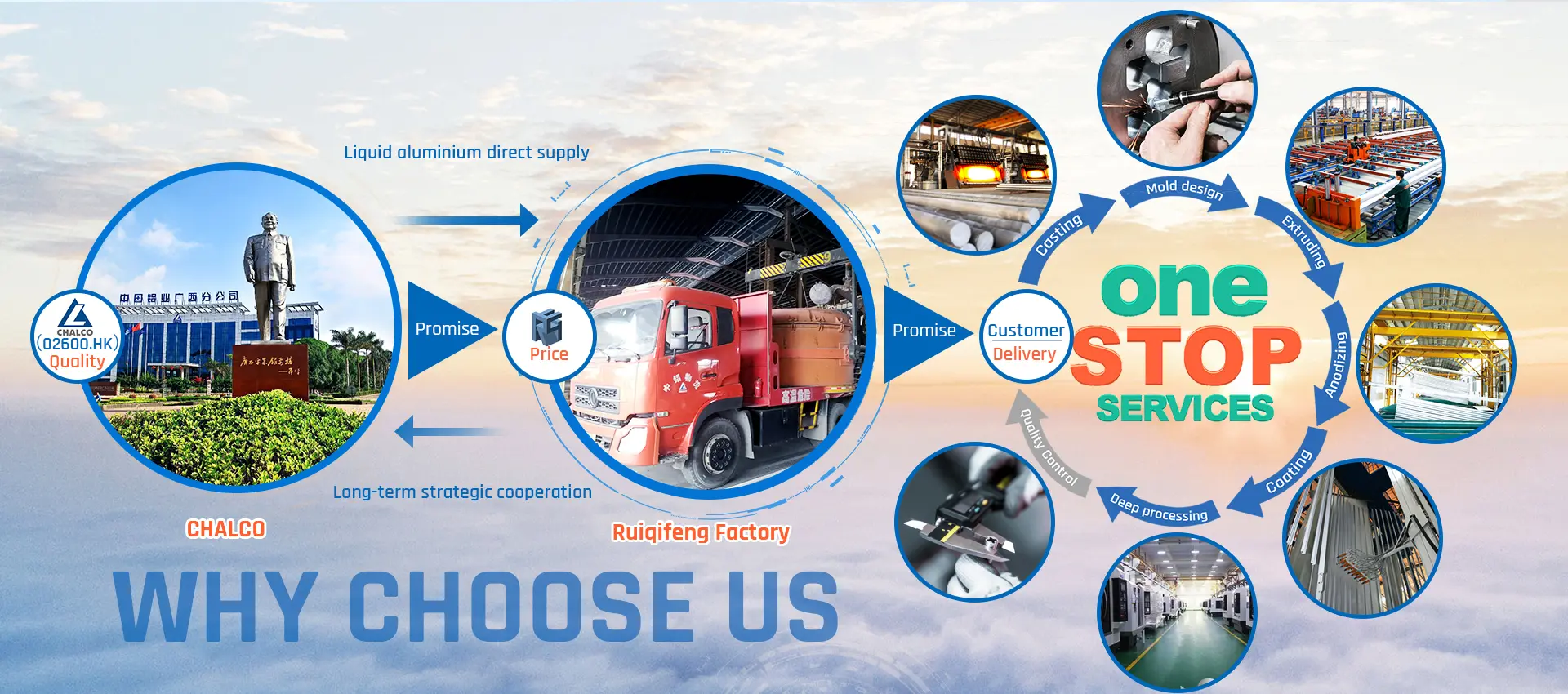
Ask for alloy certificates, dimensional inspection records, and recent batch samples. For common 6063 profiles, check hardness, wall thickness, straightness, and anodizing thickness. Request testing against EN 755 or EN 12020, depending on the application. ISO 9001 certification is useful, but it cannot replace factory verification. A supplier should explain die design, billet sourcing, heat treatment, and packaging in clear terms.

Visit the plant when possible. Inspect the extrusion press, aging ovens, powder-coating line, and measuring equipment. Ask how rejected profiles are separated. Small details matter. Turkey-bound cargo may face humidity, long storage, and repeated handling, so moisture-resistant wrapping and reinforced pallets deserve attention. The World Bank reported significant aluminium price volatility during 2023, making quotations difficult to compare. Request a validity period, alloy basis, tooling cost, and delivery term in writing.

Do not trust the cheapest offer too quickly. A low price may hide thinner walls, recycled packaging, or unstable coating control. That is uncomfortable. A perfect audit is also impossible. Recheck critical dimensions after arrival, and keep an approved sample for future comparison. Supplier evaluation is not a single decision; it is a repeatable quality process.

Importing Aluminium Profiles from China to Turkey

Importing aluminium profiles from China to Turkey requires more than comparing factory prices. Turkish buyers should define alloy, temper, profile dimensions, wall thickness, surface finish, and permitted tolerances. A clear technical drawing prevents costly misunderstandings. Small details matter.

Request samples before approving bulk production. Check straightness, corner quality, anodising colour, coating thickness, and protective film adhesion. Ask for mill test reports and inspection records linked to the exact production batch. Independent pre-shipment inspection can verify quantity and packaging. It is not perfect, but it reduces avoidable disputes.

Confirm the correct HS classification with a Turkish customs professional before signing the order. Import duties, VAT, documentation, and product requirements may change. Review the commercial invoice, packing list, certificate of origin, transport documents, and agreed Incoterms carefully. Sea freight may lower unit costs, while road transport can offer faster delivery for some routes. Use strong wooden crates or reinforced cartons, especially for long profiles. Moisture protection also matters during transit.

Payment terms should match inspection milestones. Keep written records of drawings, colour references, tolerances, and complaint procedures. One overlooked measurement can delay an entire installation. A realistic buying plan leaves room for rejected pieces, seasonal logistics delays, and exchange-rate movement. The cheapest quotation may become expensive after rework, storage, and customs corrections.-vesm

Please feel free to contact us