What is Aluminium Anodise and Its Benefits for Buyers?
Aluminium Anodise is a process that enhances the properties of aluminium. It creates a protective oxide layer, making the metal more durable and resistant to corrosion. This treatment is widely used in various industries, from automotive to architecture.
Consumers may wonder why Aluminium Anodise is beneficial. One key advantage is its ability to improve surface hardness. Anodised aluminium resists scratches and wear, ensuring longevity in products. Additionally, this process provides aesthetic benefits. It allows for a range of colors and finishes, giving designers flexibility and creativity.
However, buyers must consider their specific needs. Not every application requires anodising. Understanding the implications of Aluminium Anodise can lead to better purchasing decisions. This article aims to shed light on its benefits and guide you in making informed choices.
What is Aluminium Anodising?
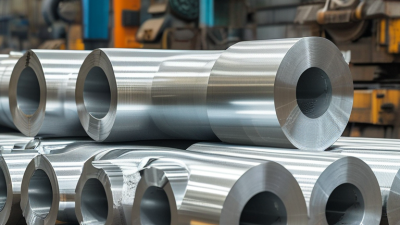
Aluminium anodising is a process that enhances the metal's natural properties. It involves electrochemically treating the surface of aluminium to create a protective oxide layer. This layer is hard, durable, and resistant to corrosion. Anodising not only adds strength but also provides a colorful finish, offering aesthetic appeal. It is often used in architectural applications, automotive parts, and electronics.
The process of anodising is extensive. Aluminium parts are immersed in an acidic electrolyte solution while an electrical current is applied. The oxide layer that forms is impermeable and adds longevity. However, inappropriate anodising can lead to uneven surfaces or color inconsistencies, which buyers need to be aware of. Proper quality control is crucial for achieving reliable results.
Buyers benefit greatly from anodised aluminium. The enhanced resistance to wear and tear reduces the need for frequent maintenance. Plus, its lightweight nature makes it an ideal choice for various applications. While anodising provides many advantages, potential challenges should also be considered. A well-informed buyer can navigate these aspects effectively.
The Anodising Process Explained
The anodising process involves electrochemically oxidizing aluminum to create a durable surface. During this process, aluminum is immersed in an acid electrolyte solution. An electrical current is then passed through the solution, generating an oxide layer on the surface. This layer is not only protective but can also be dyed for aesthetic purposes.
According to industry reports, anodised aluminum products have a significantly longer lifespan compared to non-anodised ones. The oxide layer can increase resistance to corrosion by up to 100 times that of untreated aluminum. Interestingly, this process also enhances surface hardness. Studies show that anodised aluminum surfaces can achieve hardness levels of up to 250 Vickers, imparting superior durability.
Despite its many advantages, some buyers may overlook the importance of proper anodising thickness. The thickness can greatly affect performance. Ideally, a thickness of 25 microns is standard for most applications, but improperly anodised components might be below this threshold. It’s crucial to verify the quality of anodising to ensure optimal results.
Key Benefits of Aluminium Anodising for Buyers
Aluminium anodising offers numerous benefits to buyers. This process enhances the metal's durability and resistance to corrosion. Anodised aluminium is stronger than standard aluminium. It provides a protective layer that does not peel or flake off. This is particularly important in harsh environments where exposure to moisture and chemicals is common.
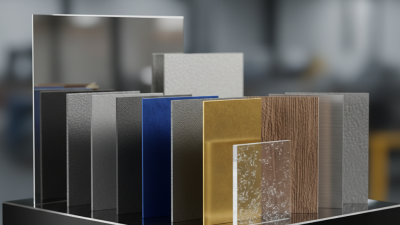
One significant advantage is aesthetic appeal. Anodised aluminium can be dyed in various colors. This allows for greater design flexibility. Buyers can choose hues that match their branding or interior design. This visual enhancement does not compromise performance. However, some buyers may overlook the maintenance required for anodised surfaces over time. While they are durable, they still need proper cleaning and care to maintain their appearance.
In terms of sustainability, anodising is an environmentally friendly choice. The process uses non-toxic chemicals and produces minimal waste. Yet, it's crucial for buyers to verify the practices of their suppliers. Not all anodising facilities adhere to the same standards. Therefore, doing thorough research before making a purchase is essential. It ensures that you are choosing a reliable and reputable provider.
Key Benefits of Aluminium Anodising for Buyers
Applications of Anodised Aluminium in Various Industries
Anodised aluminium has gained traction across various industries due to its enhanced durability and aesthetic appeal. The aerospace sector extensively employs anodised components for structural parts, providing corrosion resistance while maintaining a lightweight profile. In 2022, about 29% of aluminium production was used in aerospace applications, highlighting the material's increasing importance.
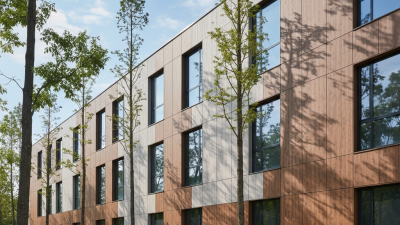
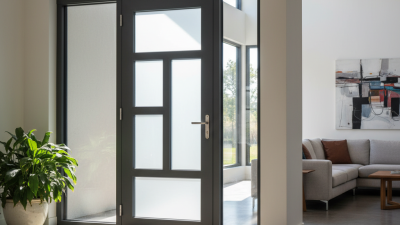
In the architectural sector, anodised aluminium is favored for its ability to resist environmental damage. Exterior cladding and window frames benefit from its protective layer, ensuring longevity despite harsh weather conditions. A report from the Aluminium Federation states that anodised aluminium can last up to 30 years without significant wear. This longevity can reduce maintenance costs significantly over time, making it appealing for large constructions.
In consumer electronics, anodised aluminium is prized for its aesthetic qualities. It offers a refined finish that enhances the visual appeal of products. However, the challenge arises when balancing aesthetics with functionality. While anodising increases surface hardness, over-treating can lead to brittleness. This trade-off requires careful consideration during product design to ensure both beauty and performance. The increasing demand for anodised products indicates the material's versatility, illustrating its potential across diverse industries.
Comparing Anodised Aluminium with Other Finishing Techniques
Anodised aluminium has become a preferred choice for various applications due to its unique properties. Unlike traditional finishes, anodising creates a durable layer that is integrated into the aluminium itself. This makes it resistant to corrosion, wear, and fading. Industry reports suggest that anodised aluminium can extend the lifespan of products by up to 50%, outperforming paint and powder coating finishes in durability.
Comparing anodised aluminium with other techniques, such as powder coating, reveals some critical differences. While powder coatings can chip and peel, anodising provides a seamless protective layer. Moreover, anodised surfaces are easier to clean and maintain. However, the initial cost of anodising can be higher, which may deter some buyers. The long-term benefits often outweigh this factor, particularly in commercial settings where durability is critical.
Environmental concerns are also noteworthy. Anodising is considered an eco-friendly process. It generates less waste compared to other finishes. However, the energy consumption during the anodising process should not be overlooked. Buyers must weigh these factors carefully when choosing the right finishing technique. Each method has its merits, and reflecting on specific project needs is vital.