What is Aluminium Profile Cladding and Its Benefits for Buyers?
Aluminium Profile Cladding is becoming increasingly popular in construction and design. Its sleek appearance and durability attract buyers looking for modern solutions. This cladding offers a wide range of benefits, making it appealing for various projects.
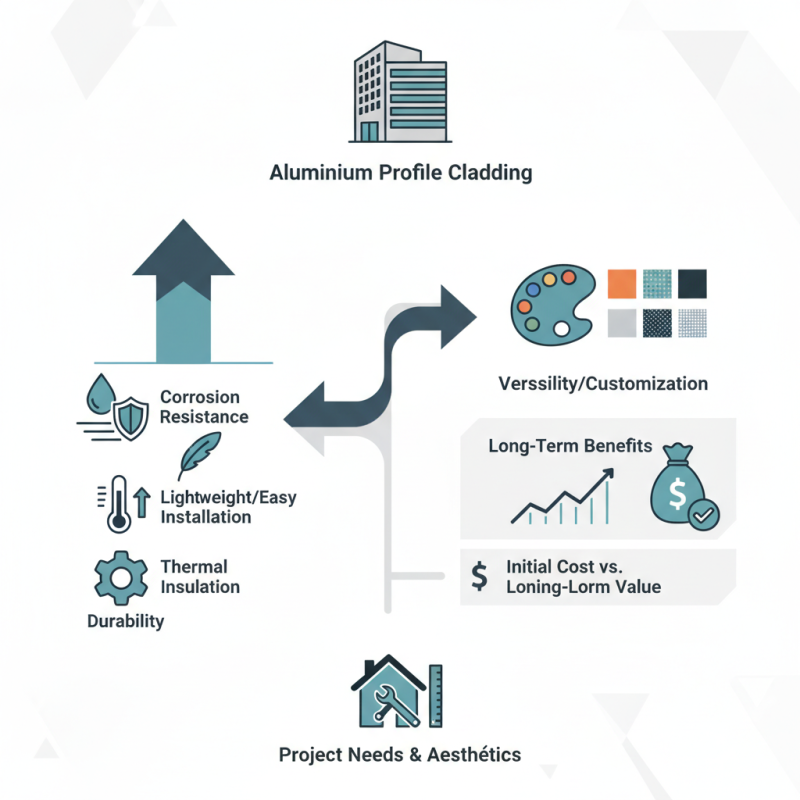
One significant advantage of Aluminium Profile Cladding is its resistance to corrosion. Unlike many materials, aluminium withstands harsh weather conditions without losing its charm. Additionally, it is lightweight, making installation easier and less time-consuming. The cladding also provides excellent thermal insulation, contributing to energy efficiency.
Buyers appreciate the versatility of Aluminium Profile Cladding. It can be customized in various colors and finishes, allowing for a unique look. However, there may be concerns about its initial cost compared to traditional materials. Evaluating long-term benefits is essential. Ultimately, the choice may depend on specific project needs and aesthetics.
What is Aluminium Profile Cladding?
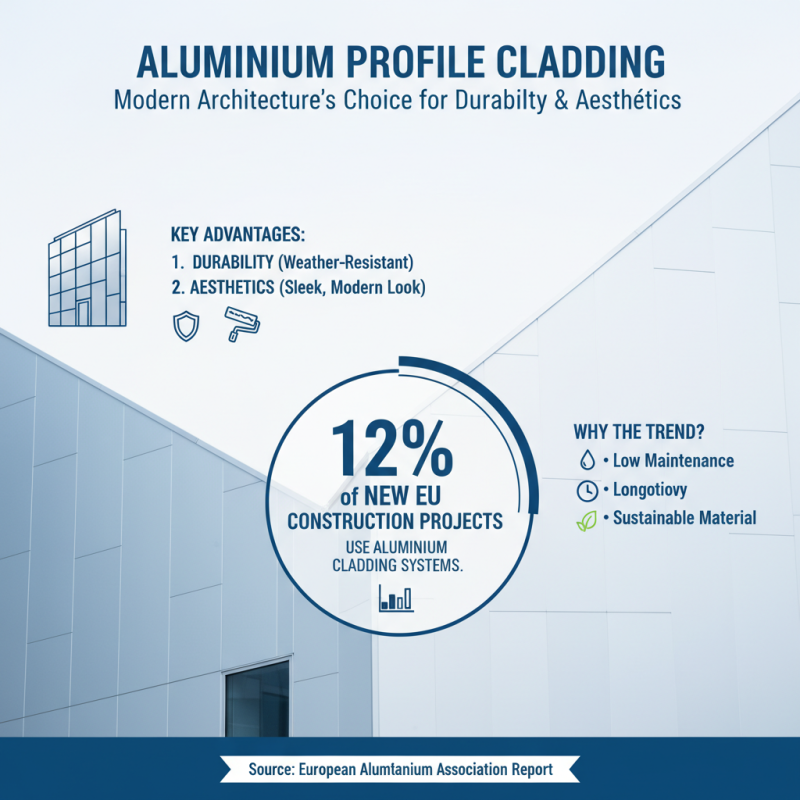
Aluminium profile cladding is gaining popularity in modern architecture. This material offers numerous advantages, particularly in terms of durability and aesthetics. According to a report from the European Aluminium Association, around 12% of construction projects now utilize aluminium cladding systems. This trend reflects the growing preference for materials that can withstand harsh weather conditions while requiring minimal maintenance.
The primary appeal of aluminium profile cladding lies in its lightweight nature and high strength. This combination allows for more flexible design choices in constructing facades. Additionally, aluminium is resistant to corrosion, which significantly extends its lifespan. Research from MarketsandMarkets indicates that the global aluminium composite panels market is projected to reach $8.2 billion by 2025, driven by increased demand for lightweight building materials.
However, it is crucial for buyers to consider the insulation properties of various cladding systems. Not all aluminium profiles provide the same level of energy efficiency. Some designs may lead to thermal bridging, which can negatively impact energy consumption. Evaluating the insulation capabilities is essential to ensure long-term savings and comfort in buildings. Thus, while aluminium profile cladding presents many benefits, careful selection is vital to maximize its potential.
Key Features of Aluminium Profile Cladding
Aluminium profile cladding is gaining traction in the construction industry. Its lightweight nature makes it an attractive choice for builders. The profiles come in various shapes and sizes, offering flexibility in design. They can be easily cut and shaped to fit different structures. This adaptability allows for creative architectural solutions.
One key feature of aluminium cladding is its durability. Aluminium resists corrosion, which is crucial in harsh weather conditions. This material also requires minimal maintenance, appealing to cost-conscious buyers. Additionally, aluminium cladding can be finished in various colors, enhancing aesthetic appeal. The finishes can mimic natural materials, enabling stylish designs without the associated drawbacks.
However, challenges exist. While aluminium has many benefits, it's important to consider insulation properties. Without proper insulation, buildings may face energy efficiency issues. Buyers should weigh the pros and cons carefully. Understanding the technical specifications can help buyers make informed decisions that align with their project needs.
Advantages of Using Aluminium Profile Cladding for Buyers
Aluminium profile cladding offers numerous advantages for buyers. One of its main benefits is durability. The material is resistant to corrosion and weathering. This quality makes it ideal for various climates and environments. Buyers can expect long-lasting performance without frequent replacements.
Another key advantage is the aesthetic appeal of aluminium cladding. It comes in a variety of finishes and colors, allowing for customization in design projects. Whether enhancing a commercial building or a residential space, aluminium profiles can elevate visual appeal.
Cost-efficiency is another point to consider. While the initial investment might be higher, the longevity of aluminium cladding reduces maintenance costs. Over time, buyers may find it financially beneficial. However, it is also essential to consider installation challenges. Superior installation requires skilled labor, which can add to upfront costs.
Overall, aluminium profile cladding presents a compelling option for many buyers.
Applications of Aluminium Profile Cladding in Construction
Aluminium profile cladding is increasingly popular in construction. It offers a stylish, modern appearance while providing durability. This cladding is lightweight, resistant to corrosion, and easy to maintain. It's frequently used in commercial and residential buildings.
One common application is in facades. Aluminium cladding enhances a building's aesthetic appeal. It can be customized in various colors and finishes. This versatility allows architects to achieve specific design ambitions. Another significant use is in insulation. Aluminium cladding can contribute to energy efficiency by improving thermal performance.
Tip: Consider the local climate when selecting materials for cladding. Some finishes are better suited for harsh weather conditions. This will ensure longevity and reduce future maintenance costs.
Aluminium cladding is also used for interior applications. It can be found in partitions, ceilings, and even furniture. Its lightweight nature makes installation easy. However, it's essential to choose the right thickness for structural integrity. Improper choices may lead to durability issues over time.
Tip: Pay attention to your installation team’s experience. Skilled professionals can significantly enhance the overall outcome. Poor installation can lead to long-term damage and additional costs.
Maintenance and Care for Aluminium Profile Cladding Products
Aluminium profile cladding is becoming popular for its durability and aesthetic appeal. However, to maintain its look and integrity, proper care is essential. Regular cleaning is key. Use a gentle soap solution and a soft cloth to remove dirt. Avoid harsh chemicals, as they can damage the finish.
Tips for Maintenance:
- Clean the surface every few months.
- Inspect for signs of corrosion or damage regularly.
- Address any issues promptly to prevent larger problems.
Keep an eye on the seams and joints. These areas may gather dirt and moisture. Regularly check them for wear and tear. If you notice any issues, seal them to avoid leaks.
Consider the environment too: If the building is near the sea, extra care is important. Saltwater can significantly affect the aluminium. Rinse the cladding more frequently in these cases.
Managing cleanliness and inspecting for damage will enhance the longevity of your aluminium profile cladding. Reflect on your care routine regularly to ensure it meets the cladding’s needs.