What is the Average Aluminium Profile Price List for Buyers?
Understanding the "Aluminium Profile Price List" is crucial for buyers in various industries. The demand for aluminium profiles has consistently risen due to their lightweight nature and versatility. Recent industry reports indicate that the average price for aluminium profiles ranges from $2.50 to $5.50 per kilogram. Factors influencing these prices include manufacturing processes, alloy types, and market conditions.
Market dynamics reveal fluctuations influenced by economic shifts. For instance, in 2022, a surge in global bauxite prices impacted aluminium production costs. This led to noticeable changes in aluminium profile pricing. Buyers must remain vigilant about these variables to make informed purchasing decisions.
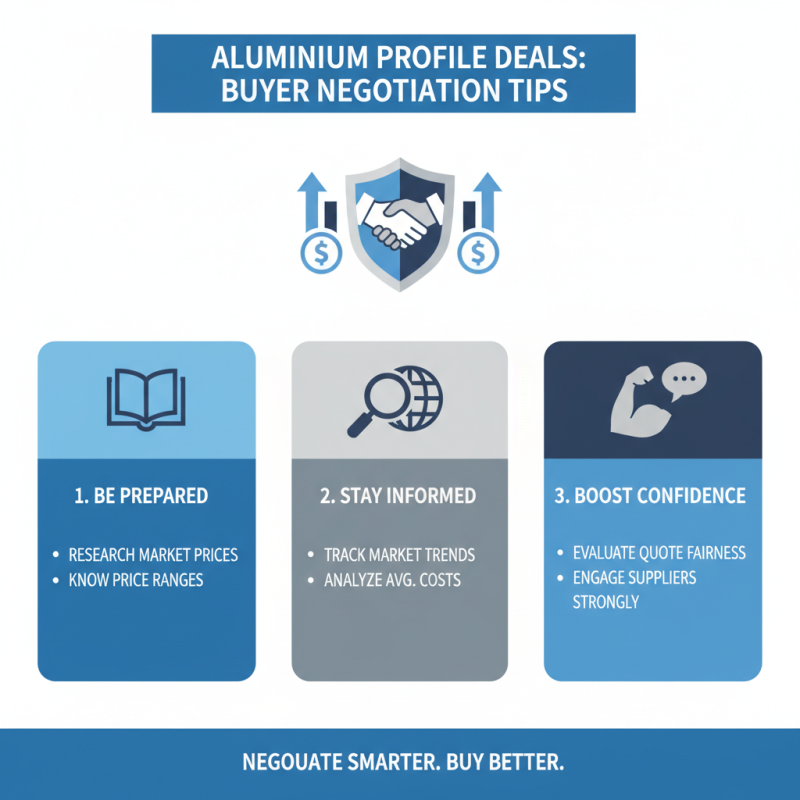
As stakeholders navigate the market, transparency in pricing becomes essential. Not all suppliers provide detailed price lists, which can lead to inconsistencies and confusion. Prospective buyers should seek reliable sources and compare multiple quotes to ensure they receive fair pricing. This approach is vital in a marketplace driven by both opportunities and challenges.

Understanding Aluminium Profiles: An Overview of Types and Uses
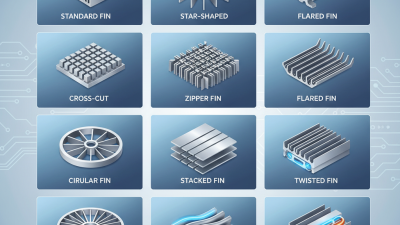
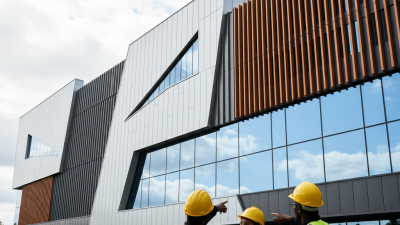
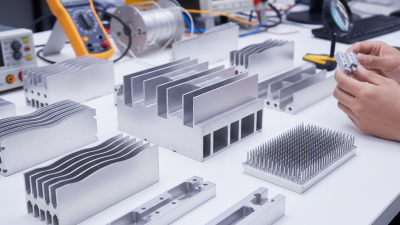
Aluminium profiles are versatile materials widely used across many industries. They come in various types, each serving unique purposes. Common types include T-slots, angles, and channels. These profiles often find applications in construction, automotive, and manufacturing sectors. Their lightweight nature coupled with strength makes them ideal for frameworks and structural components.
When selecting aluminium profiles, buyers should consider specific needs. Factors include load-bearing capacity, finish, and length. For example, T-slot profiles are popular in modular construction systems. They allow for easy assembly and customization. Understanding these nuances is crucial for making informed purchasing decisions.
Despite their advantages, not all aluminium profiles are created equal. Quality can vary significantly. Buyers must evaluate supplier credentials and material standards. Prices may differ based on these factors. Some profiles might be cost-effective but could compromise durability. Hence, careful consideration is essential to ensure value for money.
Factors Influencing Aluminium Profile Prices in the Market
The aluminium profile market is influenced by several key factors. A significant element is raw material costs. In recent reports, the price of primary aluminium reached approximately $2,400 per metric ton. Such fluctuations directly impact the cost of aluminium profiles. Increased mining expenses and energy prices further exacerbate these variations.
Another factor is production technology. Advances in extrusion and fabrication can lower costs. However, outdated methods may maintain or increase expenses. A technical study revealed that adopting more automated systems can reduce labour costs by nearly 20%. This shift, though beneficial, requires initial investment that some manufacturers may hesitate to make.
Market demand also plays a crucial role. In sectors like construction and automotive, demand has surged. According to a recent survey, demand for aluminium profiles increased by 5% annually. This escalating need can lead to higher prices if supply does not keep pace. Companies must adapt to these trends or risk losing market share. Balancing cost and quality remains a constant challenge, and manufacturers must evaluate their strategies frequently.
Average Price Ranges for Different Aluminium Profile Categories
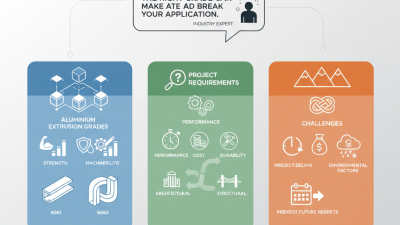
When exploring the average prices for various aluminium profiles, it's essential to understand the key categories. Typically, aluminium profiles are classified into structural, architectural, and specialty profiles. According to industry reports, structural aluminium profiles range from $2 to $15 per kilogram, depending on the complexity of the design and the alloy used. Architectural profiles usually fall within $3 to $10 per kilogram, reflecting their finish and aesthetic requirements. Specialty profiles, often custom-made, can vary significantly, priced at $5 to $20 per kilogram.
Buyers should weigh their options carefully. Factors influencing prices include production processes, surface treatments, and customizations. For instance, anodized or powder-coated profiles may cost more but offer better durability. Understanding these aspects helps in making informed decisions. Sometimes, the cheapest option may not provide long-term value.
Tip: Always request detailed quotes from suppliers. Compare them and account for shipping and handling costs. Consider minimum order quantities, as these can impact overall expenses. Balancing price with quality is crucial for finding the best aluminium profile for your needs.
How to Evaluate Quality When Comparing Aluminium Profile Prices
Evaluating the quality of aluminium profiles is crucial for buyers. The price can vary significantly, but a higher cost doesn’t always indicate superior quality. Consider the factors that define a profile’s value. These include material strength, finish, and design versatility.
When comparing prices, check the thickness of the aluminium. Thicker profiles often offer better durability. Look for the manufacturing process too. Profiles that undergo advanced extrusion techniques typically ensure a better finish. It's wise to ask for samples before making bulk purchases.
Tips: Always review supplier certifications to confirm quality standards. Investigate customer reviews for real-life use cases. This can provide insights into the longevity and performance of the profiles. Be cautious with extremely low-priced options; they may lack integrity. Overall, pay attention to the details, as they often reveal the true value of aluminium profiles.