2026 Best Aluminium Curtain Wall Profile for Global Buyers?
Choosing the right Aluminium Curtain Wall Profile is essential for modern architecture. As global trends shift towards sustainability and aesthetics, buyers face diverse options. These profiles not only provide structural integrity but also enhance a building's appearance.
In 2026, advancements in materials and designs promise exciting possibilities. However, the sheer volume of options can be overwhelming. It's crucial for buyers to understand the unique qualities of each profile. Key factors include durability, thermal performance, and ease of installation. A reliable profile should withstand various environmental conditions.
While there are numerous suppliers, not all aluminium curtain wall profiles are equal. Some may fall short of expectations, leading to costly errors down the line. Therefore, selecting a trustworthy provider with proven expertise is vital. Careful research and considerations are key to finding the best alignment with project needs. Embracing innovation and functionality ensures that your building will stand the test of time, both structurally and visually.
Overview of Aluminium Curtain Wall Profiles in 2026
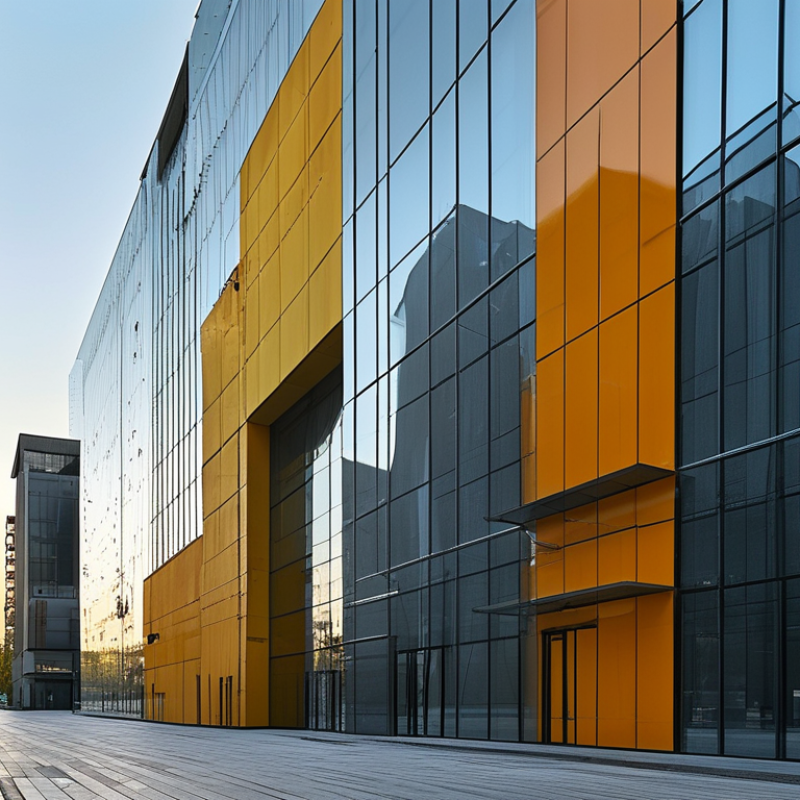
In 2026, aluminium curtain wall profiles are gaining recognition worldwide. They combine durability and aesthetic appeal, making them suitable for modern architecture. According to industry reports, the demand for light-weight materials in construction has led to a projected growth rate of around 6.5% in the aluminium curtain wall market over the next five years.
Aluminium curtain walls provide excellent insulation and weather resistance. In today's construction environment, energy efficiency is paramount. Data from recent surveys indicate that buildings using these profiles demonstrate up to 30% improved energy efficiency. However, challenges remain, particularly concerning installation and maintenance. Many contractors report issues with improper installation, which can lead to costly repairs.
Recent trends emphasize customization in profile design. Clients now seek profiles that enhance both functionality and aesthetics. There are concerns about sourcing high-quality materials due to fluctuating market conditions. Industry experts stress the importance of establishing reliable supply chains. Buyers must conduct thorough research to ensure the integrity of their chosen profiles.
2026 Best Aluminium Curtain Wall Profiles Overview
This chart displays the market share percentages of various aluminium curtain wall profiles available to global buyers in 2026. As shown, Profile A holds the largest share, followed by Profile D. This information can help in understanding market dynamics and making informed purchasing decisions.
Key Features of the Best Aluminium Curtain Wall Profiles
Aluminium curtain walls are essential in modern architecture. They provide structural integrity while enhancing aesthetics. A notable characteristic of the best profiles is thermal performance. According to industry reports, over 30% of energy loss in buildings occurs through walls. High-quality aluminium profiles can improve insulation, reducing energy costs significantly.
Another key feature is resistance to environmental factors. Profiles that meet stringent durability standards can withstand extreme weather. The Global Aluminium Market Report highlights that demand for weather-resistant solutions has increased by 23% in the last five years. This indicates a growing emphasis on sustainability and long-term value in construction.
When selecting a profile, consider ease of installation. A complicated installation can lead to delays and additional costs. Look for designs that simplify the assembly process. Always assess the profiles' weight and compatibility with various building materials. This can impact the overall structure's integrity. Engaging with reliable suppliers can make a difference. They often provide guidance on standards and certifications, ensuring compliance with local building codes.
Top Manufacturers of Aluminium Curtain Wall Profiles Globally
When selecting aluminium curtain wall profiles, the importance of quality cannot be overstated. Top manufacturers globally prioritize innovation and sustainability in their products. They focus on using high-grade aluminium for durability and energy efficiency. Many now incorporate thermal breaks to enhance insulation. This improvement is crucial for reducing energy consumption in buildings, making them environmentally friendly.
Manufacturers also emphasize design flexibility. Customizable profiles facilitate a wide range of architectural styles. This adaptability can create stunning facades that align with modern aesthetic trends. However, it is essential to be wary. Not all manufacturers maintain stringent quality controls. This inconsistency can result in subpar products that compromise structural integrity.
Furthermore, global sourcing of materials can vary in reliability. Some manufacturers may not prioritize sustainable sourcing, leading to potential ethical concerns. Buyers should research thoroughly and seek certified manufacturers. Understanding the credentials of suppliers is vital for making informed decisions. Quality assurance should always come first.
Factors to Consider When Choosing Aluminium Curtain Wall Profiles
When selecting aluminium curtain wall profiles, various factors come into play. A key consideration is the material quality. High-quality aluminium offers durability and longevity. Profiles should resist corrosion and extreme weather conditions. The right finish can enhance the profile's strength while contributing to aesthetics.
Another vital aspect is the design flexibility. Consider how the profiles fit into the overall architectural vision. Lightweight designs can simplify the installation process and reduce structural load. Each project may have specific requirements regarding size and shape. Engaging an expert can help navigate these choices effectively.
Additionally, energy efficiency is crucial in modern construction. Look for profiles that support thermal insulation and soundproofing. This can significantly reduce heating and cooling costs. Researching available technologies could uncover innovative solutions and methods. Reflecting on these factors will lead to a more informed decision, ultimately benefiting your project.
2026 Best Aluminium Curtain Wall Profile for Global Buyers
| Profile Type |
Material Thickness (mm) |
Thermal Insulation (W/m²K) |
Weight (kg/m²) |
Cost (USD/m²) |
Durability (years) |
| Standard Profile |
3.0 |
1.8 |
15 |
50 |
30 |
| High Insulation Profile |
4.0 |
1.4 |
20 |
70 |
40 |
| Curtain Wall System |
2.5 |
1.5 |
12 |
45 |
25 |
| Structural Profile |
3.5 |
1.6 |
18 |
60 |
35 |
Future Trends in Aluminium Curtain Wall Technology
The future of aluminium curtain wall technology is evolving rapidly. Architects and builders are increasingly seeking more sustainable materials. The trend is towards lightweight designs that reduce overall building weight while maintaining strength. Innovations in material science are paving the way for enhanced thermal insulation and energy efficiency. These improvements can lead to significant reductions in energy costs for buildings.
Another critical aspect is the integration of smart technology. Modern aluminium curtain walls can now incorporate sensors and automation. This allows for better temperature control and environmental responsiveness. However, questions remain about the long-term reliability of these systems. As technology progresses, ensuring durability and maintenance will be paramount.
There are also design aesthetics to consider. The versatility of aluminium allows for creative expressions in architecture. Different finishes and textures can meet diverse design preferences. Yet, the challenge lies in balancing aesthetics with functional performance. Will future designs prioritize looks over practicality? These ongoing debates will shape the industry moving forward.