How to Choose Aluminium Profile Curtain Wall for Your Project?
Choosing the right Aluminium Profile Curtain Wall for a project is crucial. According to James Smith, an expert in architectural design, “The right curtain wall can enhance both aesthetics and energy efficiency.” His insight reflects the importance of this choice in modern construction.
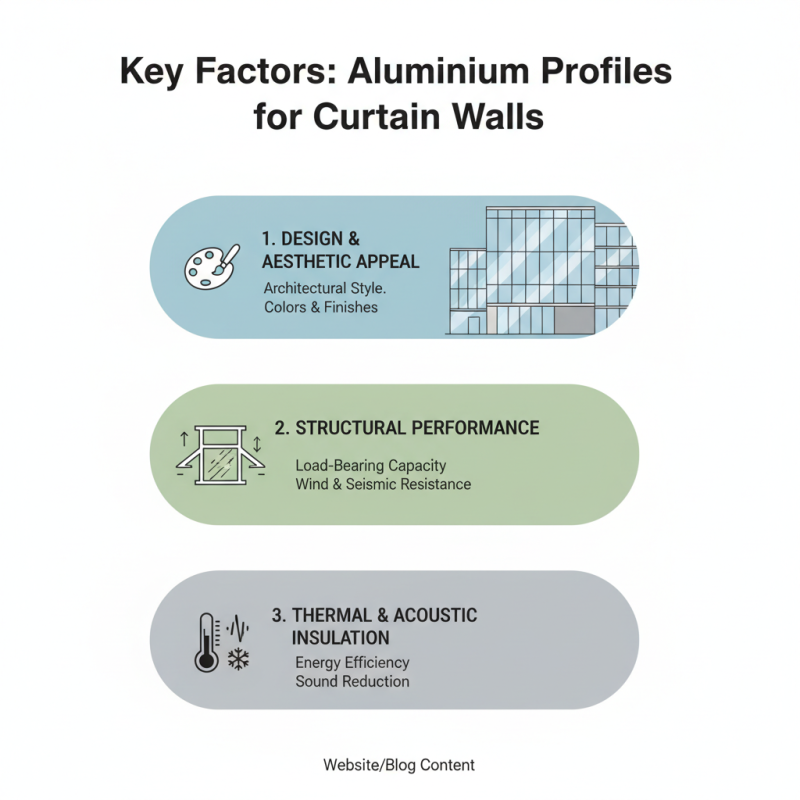
Aluminium Profile Curtain Walls come in various designs and specifications. It is essential to consider factors like structural integrity and thermal performance. A curtain wall affects not just the building’s look but also its energy consumption. Selecting the wrong profile could lead to increased operating costs down the line.
Understanding the installation process is equally important. Improper installation can lead to issues, such as leaks and structural weaknesses. It’s vital to collaborate with skilled professionals. Their expertise can guide your choice and ensure the longevity of your Aluminium Profile Curtain Wall.
Understanding Aluminium Profile Curtain Walls
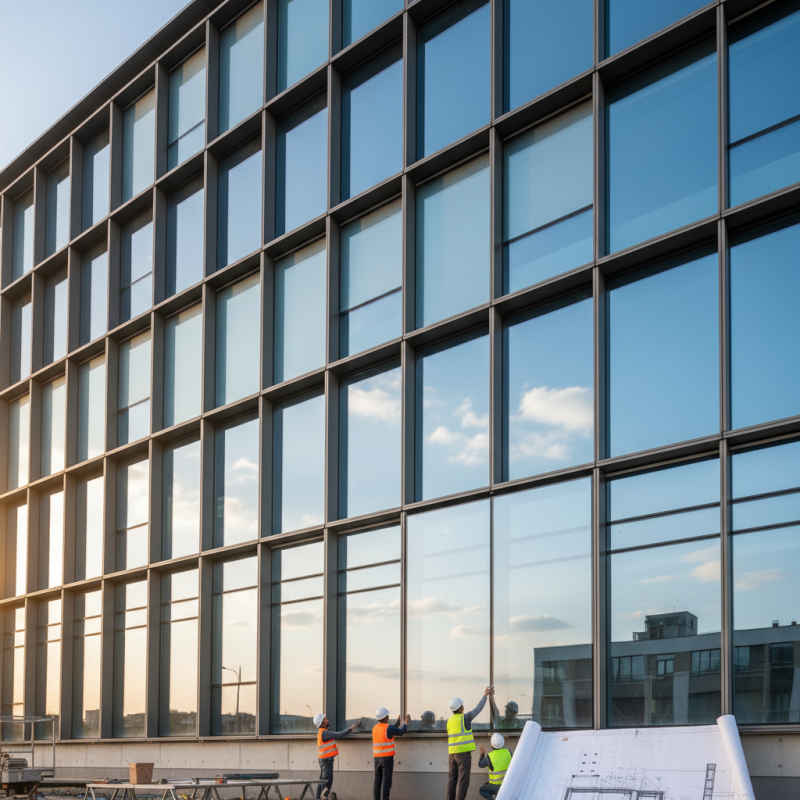
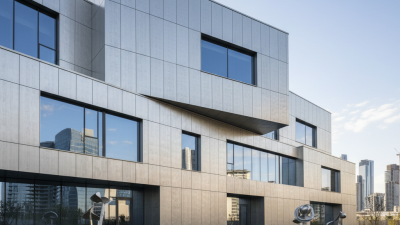
Aluminium profile curtain walls are essential in modern architecture. They provide a sleek, contemporary look while offering durability and energy efficiency. Understanding these systems involves more than aesthetics. Their structural integrity is vital for safety and longevity.
When selecting aluminium profiles, consider the environmental factors. Local climate, wind pressure, and temperature fluctuations impact performance. Profiles should be tested for thermal insulation and weather resistance. This ensures energy savings and occupant comfort. A reliable profile also minimizes maintenance issues.
However, the choice may not be straightforward. The variety of designs and finishes can be overwhelming. It’s crucial to balance style with functionality. An expert could guide selections based on specific project needs. Though designs may look striking, ensure they meet practical standards. Overlooking any aspect can lead to future problems. Careful evaluation is essential for optimal outcomes.
How to Choose Aluminium Profile Curtain Wall for Your Project?
| Feature |
Description |
Considerations |
| Material Quality |
Aluminium alloys used can determine durability and weight. |
Look for high-grade alloys such as 6063 or 6005. |
| Thermal Performance |
Effective thermal insulation helps energy efficiency. |
Check for thermal break systems in the design. |
| Aesthetic Design |
Variety of finishes and colors can enhance building appearance. |
Choose coatings that are UV resistant and durable. |
| Weather Resistance |
Curtain walls must withstand various weather conditions. |
Look for materials with certified weather-resistance ratings. |
| Installation Process |
Installation complexity can impact project timelines. |
Consider pre-fabricated elements to streamline installation. |
| Cost |
Overall budget influences material selection and design. |
Assess cost vs. benefits for long-term performance. |
Types of Aluminium Profiles for Curtain Walls
When considering aluminium profiles for curtain walls, various types are available to meet specific project needs. The most common types include standard profiles, structural profiles, and thermal break profiles. Standard profiles are typically used for general applications. They are lightweight and easy to install. Structural profiles, on the other hand, offer enhanced durability. They often bear more weight, making them suitable for high-rise buildings.
Thermal break profiles play a crucial role in energy efficiency. They minimize heat transfer, which can significantly reduce energy costs. Architects may choose these for their sustainability benefits. Some users find standard and structural profiles more straightforward. However, investing in thermal break systems can be worthwhile, particularly in extreme climates.
Choosing the right profile requires careful consideration. Factors include the building's design, local climate, and budget. While many prefer familiar choices, challenging conditions might necessitate more complex solutions. Reflecting on the project's requirements is essential. The right aluminium profile can enhance both aesthetics and functionality.
Assessing Aesthetic and Functional Requirements
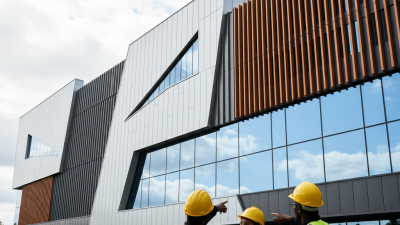
Choosing an aluminium profile curtain wall for your project is not just about aesthetics; functional requirements must also be considered. Think about the building's purpose and environment. A commercial building may need robust thermal performance, while a residential project may prioritize natural light. Balance is crucial. The design should invite light while ensuring energy efficiency.
Aesthetics play a significant role. Consider the overall architectural style of your project. The curtain wall should complement, not clash with, existing structures. Color, finish, and texture matter deeply. Reflective surfaces can enhance visual interest. But you may risk unintentional glare. It's vital to visualize how the curtain wall interacts with its surroundings. Planning for integration with other materials can make or break the design.
While extensive research is essential, practical trials can reveal insights. Engaging with architects and engineers early will streamline this process. Assess prototypes to see how they fit in your project's context. Understand that there may be learning curves along the way. The choice of materials and design elements can often have unintended results. Flexibility in your approach will be beneficial in the long run.
Aluminium Profile Curtain Wall: Aesthetic vs Functional Considerations
Installation and Maintenance Considerations for Curtain Walls
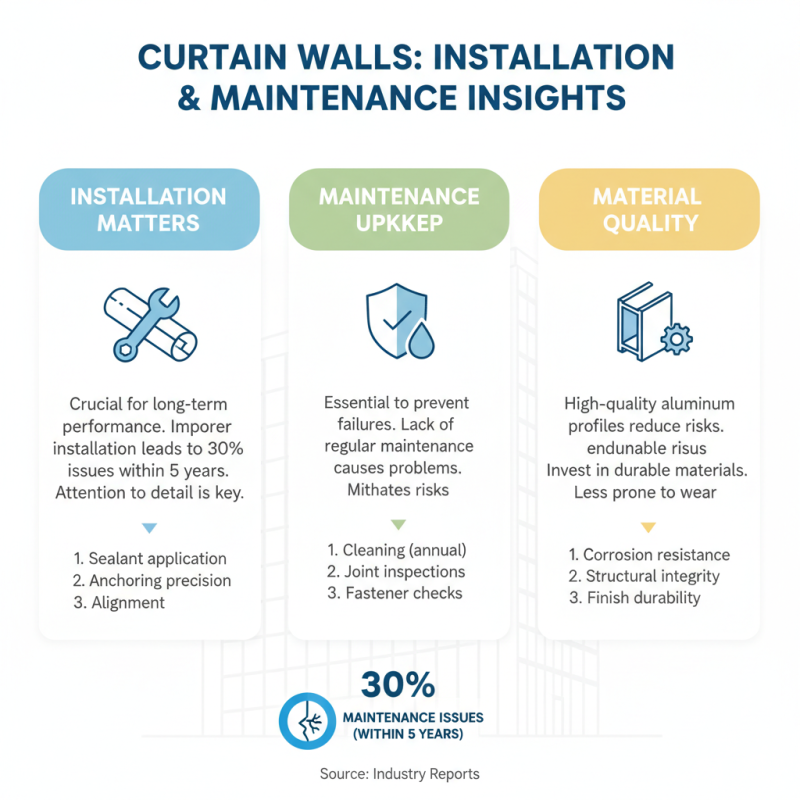
When considering the installation and maintenance of aluminum profile curtain walls, various factors come into play. According to industry reports, about 30% of curtain wall systems experience significant maintenance issues within the first five years. These often stem from improper installation or lack of regular upkeep. Selecting a high-quality aluminum profile can mitigate some of these risks, but attention to detail during installation is crucial.
Maintaining a curtain wall involves regular inspection and cleaning. This is essential for the longevity of the structure. Consider scheduling maintenance every six months to check for seals, joints, and glass integrity. A proactive approach can prevent leaks and structural failures. Simple tools, like a soft brush and mild detergent, can help keep surfaces clean without damaging the finish.
**Tips:** Always align curtain wall frames accurately during installation. Misalignment can lead to water ingress and thermal inefficiencies. Furthermore, document maintenance activities to track potential issues over time. That record can provide valuable insights for future projects or renovations.