10 Best Ways to Enhance Your Aluminium Surface Finish for Longevity?
In the competitive realm of manufacturing and architecture, enhancing Aluminium Surface finish is crucial for durability and aesthetics. Reports indicate that over 60% of aluminium components face degradation due to environmental factors. This underscores the need for effective surface treatments. For instance, a polished finish can increase corrosion resistance, extending the lifespan of products.
Many companies still overlook the importance of proper finishing techniques. A study found that untreated surfaces can lose up to 30% of their life expectancy. Applying coatings, anodizing, or adding protective films can significantly improve performance. These methods not only protect but also enhance the visual appeal, which is essential in consumer-facing applications.
Maintaining high-quality Aluminium Surface finish requires a blend of expertise and innovative practices. Industry leaders recommend regular evaluations and updates of surface treatment protocols to adapt to emerging challenges. The reliance on outdated techniques can lead to regrettable failures. Investing in state-of-the-art methods proves beneficial, paving the way for longevity and reliability in products.

Understanding the Importance of Aluminium Surface Finish for Longevity
The importance of aluminium surface finish for longevity cannot be overstated. Studies suggest that a well-finished aluminium surface can extend its lifespan by up to 50%. This improvement is often linked to the reduction of corrosion and wear. An untreated aluminium surface is prone to oxidation, which can compromise both aesthetics and functionality.
Different finishing techniques can significantly impact durability. For example, anodizing adds a protective oxide layer, enhancing resistance to corrosion. According to a report by the International Aluminium Institute, surfaces treated through anodizing can withstand harsh environments better than those without any finishing. Data indicates that aluminium structures exposed to saltwater environments experience less degradation when properly finished.
Moreover, improper surface treatments can lead to unexpected issues. For instance, a rough surface may trap contaminants, accelerating corrosion. It's essential to consider that not all finishes are equal. Some may promise durability but lack the necessary adherence to industry standards. Reflecting on these factors ensures that the chosen finish truly contributes to longevity and reliability.
Choosing the Right Surface Treatment Options for Aluminium
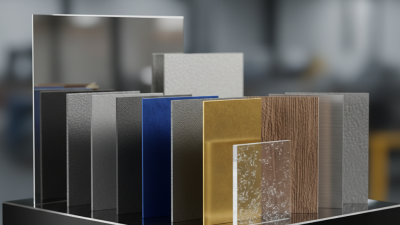
Choosing the right surface treatment options for aluminum can significantly improve its durability and appearance. Various techniques are available to enhance aluminum finishes. These treatments can protect against corrosion, wear, and environmental damage. It’s crucial to select the best method based on intended use and exposure conditions.
Electrochemically anodizing aluminum creates a thick oxide layer. This layer increases resistance to corrosion and wear. It can also enhance aesthetic qualities by adding colors. Another option is powder coating, which provides a hard, protective shell. It offers diverse colors and textures, allowing for customization.
Tips: Always test a small section before committing to a surface treatment. Regular maintenance after treatment is essential for longevity. Understand that not all treatments suit every application; consider the environmental factors. Sometimes, a simple polish can refresh the surface without complications.
10 Best Ways to Enhance Your Aluminium Surface Finish for Longevity
| Method |
Description |
Longevity Benefits |
| Anodizing |
Electrochemical process that thickens the oxide layer on aluminium. |
Increases corrosion resistance and wear resistance. |
| Powder Coating |
A dry finish that creates a protective layer bonded to the aluminium surface. |
Enhances durability and UV resistance. |
| Aluminium Cladding |
Use of thin aluminium sheets to cover and protect the surface. |
Improves aesthetic appeal and thermal insulation. |
| Chemical Conversion Coating |
A chemical treatment that forms a protective layer on aluminium. |
Enhances corrosion resistance and paint adhesion. |
| Ceramic Coating |
Application of a ceramic-based material that provides a hard layer. |
Increases hardness and thermal resistance. |
| Heat Treatment |
Modification of the physical and sometimes chemical properties through heating. |
Increases strength and toughness. |
| Electrophoretic Coating |
Process that uses electric current to deposit a coating. |
Provides excellent adhesion and surface uniformity. |
| Sealing |
Post-anodizing treatment to close the pores of anodized aluminium. |
Enhances corrosion resistance and surface durability. |
| Regular Maintenance |
Routine cleaning and inspection of treated surfaces. |
Prolongs the life of the finish by preventing corrosion. |
Surface Preparation Techniques for Optimal Finish Quality
Surface preparation is a critical step in achieving a durable aluminium finish. Proper techniques not only enhance the appearance but also extend the life of the product. According to recent studies, up to 70% of surface-related failures can be traced back to inadequate preparation. Selecting the right method can significantly impact the coating adhesion and longevity.
One effective method is abrasive blasting. It creates a rough surface profile, increasing the mechanical bond between the coating and the substrate. Another option is chemical cleaning, which removes contaminants that could interfere with adhesion. Note that inadequate cleaning can result in peeling paint or corrosion over time. A study found that surfaces cleaned with the right solvents last up to 50% longer under harsh conditions.
Tips: Consider using a combination of both techniques. This dual approach can achieve better results, as it prepares the surface both mechanically and chemically. Don’t underestimate the importance of drying time after cleaning. Insufficient drying can trap moisture and lead to surface defects. Remember, proper surface preparation is the foundation for a successful aluminium finish.
Applying Protective Coatings to Enhance Durability and Appearance
To enhance the durability and aesthetic appeal of aluminum surfaces, applying protective coatings is crucial. Studies indicate that nearly 90% of aluminum corrosion is attributable to exposure to environmental factors. By using coatings, one can significantly extend the lifespan of aluminum components, making them more resistant to wear and tear.
High-quality coatings can improve both appearance and functionality. For instance, anodizing can increase corrosion resistance by up to tenfold. Other options include powder coating, which not only protects the surface but also provides a vibrant finish. These coatings can withstand harsh conditions, reducing maintenance costs over time.
Tip: Always assess the environment where your aluminum will be used. Harsh weather conditions may require thicker coatings for better protection. Regular inspections can also identify wear early, allowing for timely maintenance.
Applying a protective coating is not a one-size-fits-all solution. Some coatings may fail under certain conditions. For optimal results, consult with professionals familiar with the specific requirements of your industry. Their expertise can help you choose the right coating for your project, ensuring longevity and effectiveness.
Regular Maintenance Practices to Preserve Aluminium Surface Finishes
To preserve aluminium surface finishes, regular maintenance is essential. Data shows that unmaintained aluminium can lose its aesthetic appeal and protective qualities over time. A study by the Aluminium Association indicates that 80% of premature failures relate to surface neglect. This highlights the importance of routine care.
Cleaning aluminium surfaces should be done frequently, ideally every few months. Use a pH-neutral detergent and soft cloths to avoid scratches. However, many overlook the importance of drying. Water spots can lead to corrosion over time. Drying with a soft towel is a simple step that can extend the life of the finish.
Another critical maintenance aspect is protective coatings. A report from the International Aluminium Institute reveals that properly applied coatings can improve lifespan by up to 40%. Yet, many professionals overlook this necessity, assuming the initial finish is sufficient. This can lead to costly repairs or replacements. Making routine inspections allows for early detection of issues. Spotting a problem early can save significant future costs.