Why Choose Aluminium Profile Wall Cladding for Your Project?
Choosing the right materials for a construction project is crucial. Experts agree that Aluminium Profile Wall Cladding offers numerous advantages. John Smith, a leading expert in the materials industry, once said, "Aluminium Profile Wall Cladding combines durability with aesthetic appeal, making it a top choice for modern architecture."
Aluminium Profile Wall Cladding is lightweight yet robust, making it easy to install. Its resistance to corrosion ensures a longer lifespan, reducing maintenance costs. Additionally, it comes in various styles and finishes, providing flexibility in design. However, it’s important to consider the upfront costs, as they can be higher than traditional materials. This investment pays off in the long run with lower upkeep.
The versatility of Aluminium Profile Wall Cladding makes it suitable for different applications, from commercial buildings to residential homes. With its growing popularity, staying informed about the latest innovations in the field is essential. As more architects and builders embrace these solutions, reflecting on the impact of these choices is vital for long-term success.
Advantages of Aluminium Profile Wall Cladding in Construction Projects
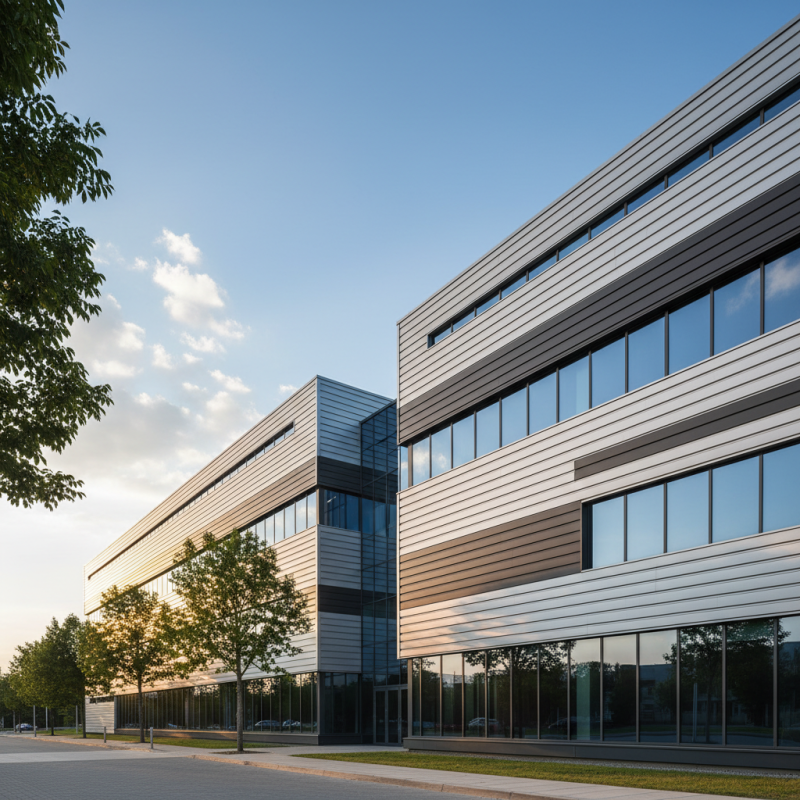
Aluminium profile wall cladding offers numerous advantages for construction projects. Its lightweight yet durable nature makes it ideal for various building types. This material stands up well against harsh weather conditions, which can prolong the life of a structure. The cladding is also resistant to corrosion, ensuring that buildings maintain their aesthetic appeal over time.
One major benefit is the versatility of aluminum profiles. They can be easily customized to fit any design needs. Architects appreciate this adaptability. The sleek, modern finish enhances the overall appearance of a building. Additionally, aluminium wall cladding provides excellent thermal insulation, helping to regulate indoor temperatures. However, it’s essential to consider proper installation techniques to ensure effectiveness. Misalignment or poor workmanship can compromise the cladding's benefits.
Moreover, maintenance is straightforward, which can save costs in the long run. Cleaning the surfaces requires only basic materials. While aluminium is a recyclable material, the environmental impact of production should not be overlooked. In some cases, sourcing can lead to carbon emissions. Thus, assessing all aspects of using aluminium in wall cladding is crucial for responsible construction practices.
Benefits of Aluminium Profile Wall Cladding
Durability and Longevity of Aluminium Profile Wall Cladding
Aluminium profile wall cladding stands out due to its durability and longevity. Studies show that aluminium cladding can last over 30 years with minimal maintenance. This extended lifespan is a significant advantage for any construction project. The natural resistance of aluminium to rust and corrosion makes it ideal for various environments, from coastal areas to urban settings.
In recent industry reports, it was noted that aluminium cladding reduces energy costs due to its reflective properties. This attribute helps maintain indoor temperatures, contributing to energy efficiency. Research indicates that buildings with aluminium profiles can save up to 20% in energy bills compared to traditional materials. However, a common misconception is that all cladding options are equally durable. In fact, environmental exposure can affect longevity. Regular checks and maintenance are crucial to avoid premature wear.
Aesthetic appeal is another consideration. While aluminium offers a sleek, modern look, its surface may show scratches over time. This aspect can lead some to question its overall aesthetic longevity. Yet, many architects appreciate how well aluminium complements various designs. It bridges practicality and beauty, appealing to diverse project needs. Investing in aluminium cladding is often seen as a commitment to quality. The balance of maintenance and aesthetic should be weighed carefully.
Design Versatility of Aluminium Profile Wall Cladding Options
Aluminium profile wall cladding offers exceptional design versatility for various projects. It comes in an array of colors, finishes, and textures. This allows architects and designers to create tailored looks that fit specific themes or styles. Whether you want a modern aesthetic or something more classic, aluminium can accommodate. The lightweight nature of the material makes it easy to work with, enhancing the creative possibilities.
Furthermore, the adaptability of aluminium profile cladding extends beyond color and finish. It can be shaped and fabricated in numerous ways. Curved and angular designs are achievable without sacrificing strength. Designers can experiment with various configurations, enabling innovative architectural solutions. However, achieving the desired look may require several iterations. There is always room for improvement in achieving the perfect balance between form and function.
Sustainability is another aspect worth considering. Aluminium is recyclable, aligning with eco-friendly design principles. But the production process does have its environmental footprint. It’s essential to weigh the benefits against potential impacts. Ultimately, aluminium wall cladding provides numerous avenues for creativity, allowing for unique expressions while remaining practical and sustainable.
Sustainability and Eco-Friendliness of Aluminium Materials
Aluminium profile wall cladding stands out for its
sustainability and eco-friendliness. As an infinitely recyclable material,
aluminium reduces the need for virgin resources. According to a report from the International Aluminium Institute, up to
90% of aluminium can be recycled without losing quality. This feature
significantly lowers energy consumption in production processes.
Using aluminium cladding can also help minimize a building's
carbon footprint. It is estimated that a well-designed aluminium facade can
improve energy efficiency by up to 30%. This is crucial in
meeting global climate targets and reducing overall greenhouse gas emissions.
Tips: Choose recycled aluminium options to further enhance sustainability. Also, consider manufacturers with
eco-certifications to ensure ethical sourcing practices.
Though aluminium is durable, it can be susceptible to environmental factors over time. Therefore, regular maintenance is essential. The importance of thoughtful design should not be overlooked; it can optimize performance while enhancing
aesthetic appeal. Embracing these principles ultimately leads to
smarter building choices.
Cost-Effectiveness of Aluminium Profile Wall Cladding Solutions
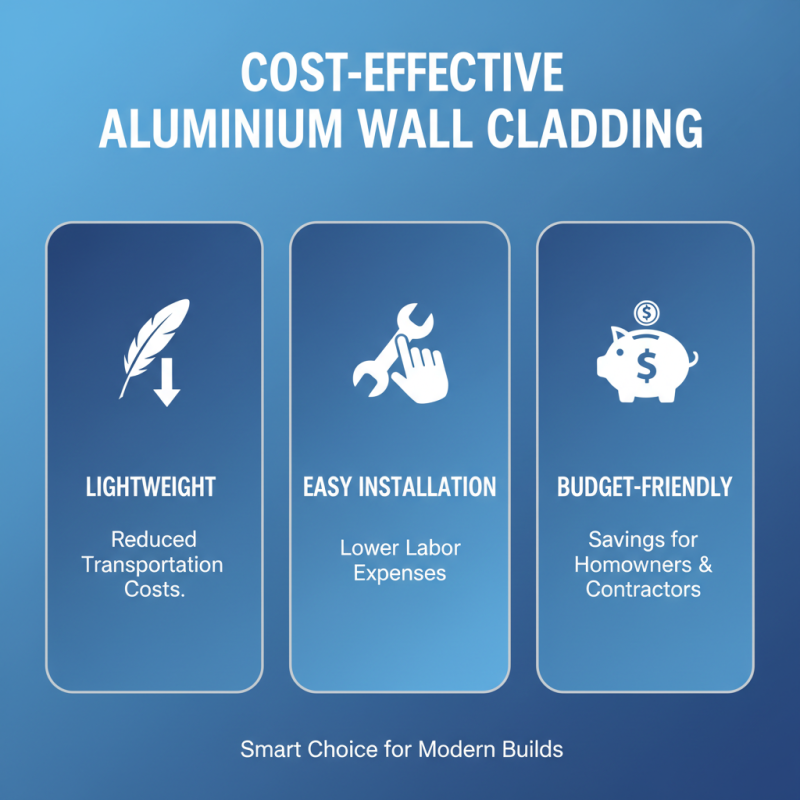
When considering wall cladding options, aluminium profiles offer significant cost-effectiveness. Their lightweight nature reduces transportation costs. This feature also lowers installation expenses due to simpler handling. Homeowners and contractors alike can appreciate these benefits.
Aluminium profiles are durable and require minimal maintenance. They resist corrosion and weather damage, extending their lifespan compared to other materials. This durability translates to long-term savings. However, initial investments may still be high for some projects.
Using aluminium cladding, the aesthetic appeal is also a factor. It comes in various finishes and colors, allowing customization for every design. The upfront costs can deter some, but the energy efficiency and longevity make it a worthy consideration. Budget constraints may lead to challenges, but assessing total costs over time is crucial.