2026 Top Aluminium Profile For Glass Railing Manufacturers
Choosing the right Aluminium Profile For Glass Railing manufacturer requires more than comparing catalog prices. In 2026, buyers should examine alloy quality, temper control, profile tolerances, surface treatment, drainage design, and verified load performance. A polished finish may look impressive, yet hidden weaknesses often appear around anchors, corner joints, and glass interfaces.
Mies van der Rohe, a leading architect and specialist in building detail, famously said, “God is in the details.” His words remain relevant to railing systems. A two-millimetre alignment error can affect glass pressure, visual continuity, and installation time. Experienced manufacturers understand this risk. They provide technical drawings, installation guidance, material certificates, and consistent batch control.
Safety matters most.
This guide reviews leading Aluminium Profile For Glass Railing manufacturers through practical criteria. These include engineering capability, production equipment, project experience, quality inspection, customization, packaging, and after-sales support. Reliable suppliers should explain alloy grades clearly. They should also identify testing methods and applicable regional standards without making vague promises.
Some manufacturers appear strong online but offer limited technical evidence. That deserves attention. Product photos alone cannot prove structural reliability. A better assessment includes sample inspection, finish testing, tolerance checks, and direct communication with engineers. Small details reveal much.
No ranking is perfect. Project conditions differ. Coastal buildings may need stronger corrosion resistance, while high-traffic commercial spaces require greater impact planning. Therefore, the best supplier is not always the largest one. It is the manufacturer that can document performance, understand installation realities, and respond honestly when a design needs improvement.
What Are Aluminium Profiles for Glass Railings?
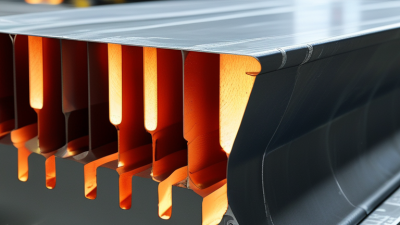
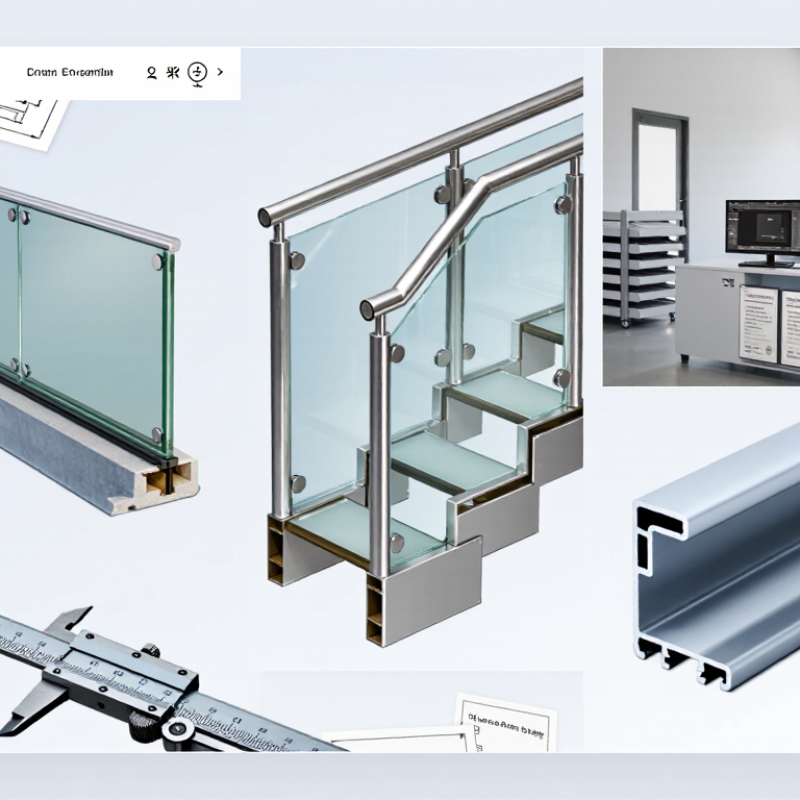
Aluminium profiles for glass railings are engineered sections that hold, align, and protect glass panels. They usually form a base channel, side frame, post, or handrail support. Unlike ordinary trim, these profiles transfer railing loads into the floor, wall, or supporting structure. Their shape matters. A deep channel can improve glass stability, while a slim profile creates a lighter visual effect.
Most profiles are made from corrosion-resistant aluminium alloys and receive anodized or powder-coated finishes. These surfaces help resist moisture, fingerprints, and outdoor exposure. However, coating alone cannot correct poor installation. The system must match the glass thickness, gasket material, fasteners, drainage needs, and site conditions. A profile for a sheltered balcony may not suit a coastal terrace.
Field installers check the channel carefully before fitting the glass. Small gaps can create movement, noise, or water collection. Rubber blocks and compatible seals should support the panel without placing hard pressure on its edges. It sounds simple. It is not always simple.
Reliable selection also requires verified load data, clear fabrication tolerances, and installation guidance from qualified engineers. A profile may look strong but perform poorly when the substrate is weak. That detail is easy to overlook. Careful measurement, sample testing, and routine inspection make the railing safer and more dependable.
Key Materials and Design Features of Modern Railing Profiles
2026 Top Aluminium Profile For Glass Railing Manufacturers
Key Materials and Design Features of Modern Railing Profiles
Modern glass railing profiles rely on 6063-T5 aluminium for strength, accurate extrusion, and reasonable weight. Its consistent surface supports anodizing or powder coating in coastal and urban environments. Stainless steel fasteners should resist corrosion, while EPDM or silicone gaskets protect glass edges from direct contact. Small parts matter. Poorly matched materials can create stains, noise, or premature wear.
Design now favors slim channels, concealed drainage, and clean sightlines. A well-engineered base profile distributes glass loads across its length instead of concentrating stress at isolated points. Tempered laminated glass improves safety and retains a barrier after breakage. Adjustable wedges help installers correct minor site errors, but they cannot replace precise measurement. Water outlets should remain accessible after installation. Otherwise, trapped moisture may damage finishes and freeze in colder regions.
Thermal movement deserves careful attention, especially on long balconies and rooftop terraces. Expansion gaps, suitable anchors, and verified load calculations support dependable performance. A thinner profile looks elegant, but it is not automatically stronger. The trade-off remains. In practical project reviews, installers often value clear instructions more than complex mechanisms. That is a fair criticism. Good railing design should reduce cutting, drilling, and guesswork while preserving structural reliability and visual simplicity.
Manufacturing Standards and Quality Checks for Railing Profiles
2026 Top Aluminium Profile For Glass Railing Manufacturers
Manufacturing Standards and Quality Checks for Railing Profiles
Reliable aluminium railing profiles begin with controlled alloy chemistry and documented production batches. ASTM B221 covers aluminium alloy extrusions, while EN 755 defines mechanical properties and dimensional tolerances. Manufacturers should verify alloy certificates, tensile strength, wall thickness, and straightness before assembly. Small deviations can create visible glass misalignment.
Quality checks must continue after extrusion. Inspectors should measure anodizing or powder-coating thickness, surface uniformity, and corrosion resistance. ISO 7599 provides guidance for anodized aluminium coatings. For outdoor railings, sample profiles need load testing with the intended glass, fasteners, and base structure. A strong profile alone does not guarantee a safe system.
Test the complete assembly.
The International Aluminium Institute reports that recycled aluminium uses about 5% of the energy required for primary aluminium production. Recycled content can support lower-impact manufacturing, but its chemistry still requires careful control. Scrap mixtures may affect strength or surface finish. This is where some specifications remain too optimistic. A certificate cannot replace batch sampling, coating checks, and practical installation trials. Manufacturers should record inspection results, corrective actions, and traceability from billet to finished profile. Clear records make quality claims more reliable.
2026 Top Aluminium Profile for Glass Railing Manufacturers
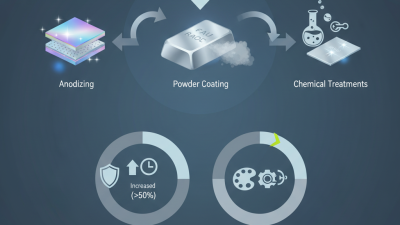
Manufacturing standards and quality checks for anodized aluminium railing profiles
The chart shows ISO 7599 anodizing classes and their minimum coating thickness requirements.
Average coating thickness is checked across the profile, while local thickness is verified at individual measurement points.
Dimensional tolerances should also be inspected according to the applicable aluminium extrusion requirements in EN 755-9.
How to Select a Reliable Aluminium Profile Manufacturer in 2026
Selecting a reliable aluminium profile manufacturer in 2026 starts with evidence, not polished brochures. Ask for alloy grade, temper, dimensional tolerances, and load-test records for glass railing applications. A capable supplier should explain how profiles handle wind pressure, glass weight, drainage, and corrosion exposure. Request recent test reports from independent laboratories when project risks are high. Local building requirements still matter. Do not accept vague claims such as “heavy duty.”
Inspect production controls before approving a large order. Review billet sourcing, extrusion temperature records, aging treatment, cutting accuracy, and powder-coating thickness. A factory visit can reveal practical details: clean dies, protected profiles, labeled batches, and dry storage. Ask for a sample section and measure wall thickness with proper tools. Small differences can affect fit. The cheapest quotation is rarely the complete cost; rework, damaged finishes, and delayed replacements may cost more.
Reliable manufacturers communicate clearly when specifications are incomplete. They should flag unsafe spans, unclear glass tolerances, and unsuitable finishes instead of accepting every request. Check packaging tests, delivery schedules, traceability documents, and written warranty terms. Speak with recent commercial customers if possible, but treat testimonials carefully. Even an experienced factory may miss a detail during a busy season. That deserves reflection. Put approvals, inspection points, and corrective actions in writing. Good suppliers welcome questions. That matters.