What is Aluminium Extrusion Grades and Why They Matter?
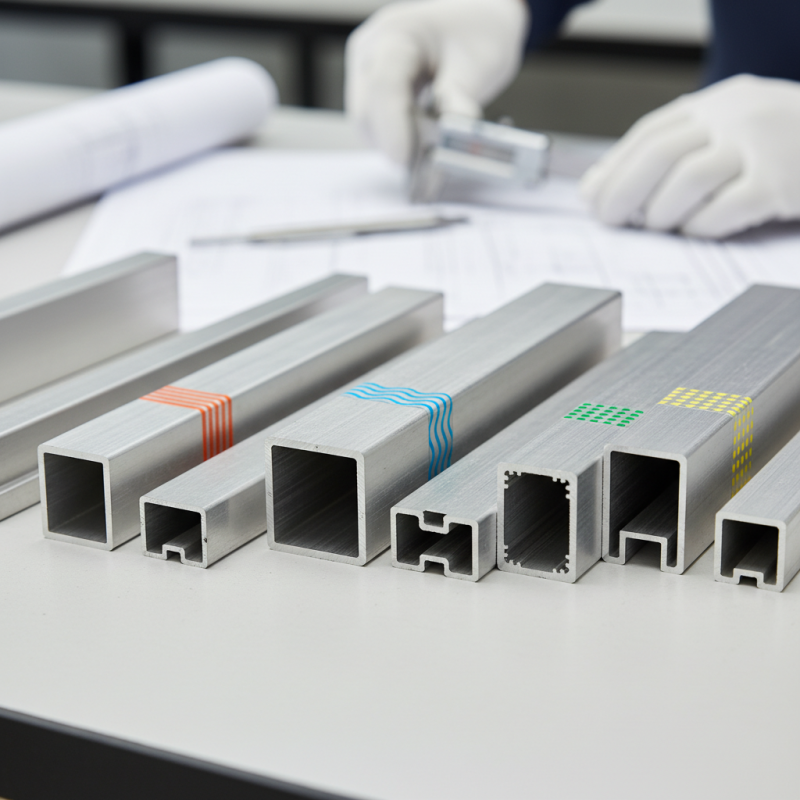
Aluminium extrusion grades play a crucial role in various industries. These grades determine the quality and performance of the extruded products. Understanding them is vital for engineers and manufacturers alike.
Each grade offers different properties, such as strength and corrosion resistance. This diversity allows for tailored solutions in construction, automotive, and aerospace sectors. The right extrusion grade can enhance product durability and efficiency. However, selecting the wrong grade can lead to failures and increased costs.
Many companies struggle with this decision. They may overlook key factors like application and environmental conditions. This oversight can result in challenges during the production process. It highlights the importance of expertise in aluminium extrusion grades. Consequently, a careful assessment ensures the optimal choice for specific needs.
What is Aluminium Extrusion?
Aluminium extrusion is a manufacturing process where aluminium alloy is forced through a die to create specific shapes. This method is vital in various industries, including construction, automotive, and aerospace. The flexibility of aluminium makes it suitable for intricate designs while maintaining structural integrity. According to the Aluminum Association, the global aluminium extrusion market is projected to reach $60 billion by 2026, indicating a robust demand for this lightweight, durable material.
The advantages of aluminium extrusion extend beyond mere aesthetics. The process allows for the creation of complex cross-sections that are difficult to achieve with other methods. This versatility supports innovative designs, particularly in energy-efficient architecture and lightweight vehicle components. However, some manufacturers overlook the importance of selecting the right aluminium grade for their projects. Not all alloys are created equal. Each has specific mechanical properties that affect performance and durability.
Tip: Always consult with an expert when choosing an aluminium grade to match your project requirements. This can prevent costly mistakes down the line.
Understanding the nuances of aluminium extrusion can lead to better material choices. Some designs may fail to consider weight distribution or strength, potentially compromising the final product. It's crucial to focus on the functionalities of the finished item. Proper analysis can highlight possible weaknesses and strengths, leading to innovative enhancements. Ultimately, attention to detail in the extrusion process results in superior products and satisfied customers.
Tip: Regularly review your design process to identify areas for improvement.
Understanding Aluminium Extrusion Grades
Aluminium extrusion grades are essential for various applications. They define the characteristics of the material, influencing performance and durability. Different grades possess unique properties. For instance, some grades offer excellent corrosion resistance, while others provide heightened strength. Understanding these variations is crucial for selecting the right material for specific projects.
When selecting an aluminium extrusion grade, it is important to consider the environment and function of the final product. Some grades perform better in extreme temperatures, while others might be more suitable for lightweight constructions. Choosing the wrong grade can result in unexpected failures or costly alterations. Engineers sometimes need to rethink their decisions based on project requirements and material performance.
Moreover, the manufacturing process affects the properties of aluminium grades. Factors such as temperature and pressure during extrusion can change the grade's quality. A grade might be adequate in theory but perform poorly in practice. Designers must continually assess their choices to ensure optimal outcomes. Understanding aluminium extrusion grades is a blend of knowledge and experience, requiring constant refinement and learning.
What is Aluminium Extrusion Grades and Why They Matter?
| Grade |
Alloy Composition |
Mechanical Properties |
Applications |
| 6061 |
Al-Mg-Si |
Tensile Strength: 260 MPa, Yield Strength: 200 MPa |
Structural components, automotive parts |
| 6063 |
Al-Mg-Si |
Tensile Strength: 240 MPa, Yield Strength: 180 MPa |
Architectural applications, window frames |
| 7005 |
Al-Mg-Si-Zn |
Tensile Strength: 320 MPa, Yield Strength: 220 MPa |
Bicycle frames, sports equipment |
| 2024 |
Al-Cu |
Tensile Strength: 480 MPa, Yield Strength: 350 MPa |
Aerospace components, military applications |
| 5052 |
Al-Mg |
Tensile Strength: 210 MPa, Yield Strength: 140 MPa |
Marine environments, pressure vessels |
Key Properties of Different Aluminium Grades
Aluminium extrusion grades play a crucial role in determining the performance of various applications. Each grade exhibits distinct properties that cater to specific needs. For instance, 6061 aluminium is known for its excellent corrosion resistance and weldability. This makes it a preferred choice in structural applications, particularly in marine environments. According to the Aluminum Association, 6061 can withstand temperatures up to 230°F without losing structural integrity.
Another notable grade is 7075, which is renowned for its high strength-to-weight ratio. This makes it suitable for aerospace applications, where reducing weight is paramount. The material can achieve tensile strengths up to 700 MPa. However, its susceptibility to stress corrosion cracking poses challenges. Specific heat treatment processes are essential to mitigate this risk.
When selecting an aluminium grade, engineers must consider not only strength and corrosion resistance but also formability and machinability. For example, 5005 aluminium offers excellent anodizing capabilities but has lower strength compared to others. Some projects might require a trade-off between these properties. Understanding these nuances is critical for choosing the right grade in aluminium extrusion, ensuring optimal performance in the intended application.
Aluminium Extrusion Grades Comparison
This chart compares the tensile and yield strength of various aluminium extrusion grades. Understanding these properties is crucial for selecting the appropriate material for specific applications.
Applications of Various Aluminium Extrusion Grades
Aluminium extrusion grades play a crucial role in various applications across industries. From automotive components to building materials, selecting the right grade ensures durability and performance. For instance, the 6061 alloy is often used in structural applications due to its excellent mechanical properties and corrosion resistance. The 6063 grade, on the other hand, is favored in architectural applications for its aesthetic finish.
According to the Aluminium Association, nearly 50% of fabricated aluminium products are extruded. This demonstrates the versatility of extrusion grades. The aerospace industry frequently employs 2024 alloys for their high strength-to-weight ratio. Such selections are important for applications where safety and reliability are paramount.
Tip: Always analyze specific application requirements before selecting an extrusion grade. Consider mechanical properties, environmental factors, and potential exposure to corrosion. Some extrusions may show vulnerabilities to stress corrosion cracking if not chosen wisely. Understanding these aspects can prevent costly failures.
Exploring various grades leads to better insights. Many manufacturers may overlook alloy temper or surface treatment variations, which can impact performance. An informed choice requires a thorough understanding of mechanical properties and potential trade-offs. Investing time in research pays off in the long run.
The Importance of Choosing the Right Aluminium Grade
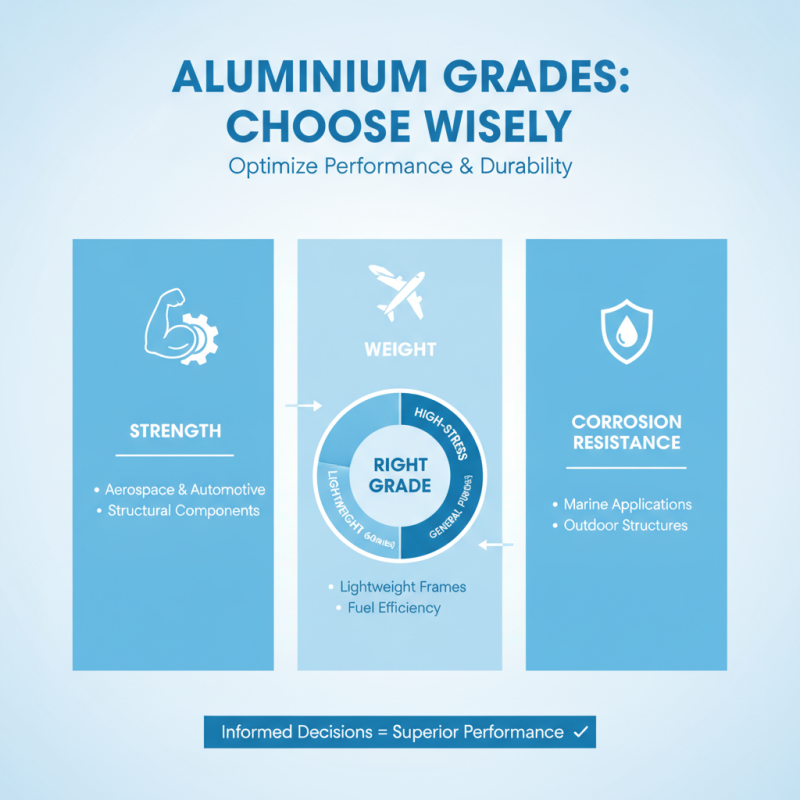
Choosing the right aluminium grade is crucial for various applications. Different grades offer unique properties, affecting strength, weight, and corrosion resistance. For instance, some grades are designed for high-stress environments, while others excel in lightweight applications. A thorough understanding of these characteristics helps in making informed decisions.
In industries like construction and automotive, the incorrect aluminium grade can lead to failures. This could result in accidents or costly repairs. It's vital to consider factors like intended use, environmental conditions, and mechanical requirements. For example, marine environments demand specific grades resistant to saltwater.
However, navigating the options isn't always straightforward. Each grade has its pros and cons, and sometimes, trade-offs are necessary. Some may prioritize cost over performance. Others might overlook the long-term implications of their choice. Reflecting on these aspects can lead to better outcomes in the long run.