What is Aluminium Surface and its Benefits for Buyers?
Aluminium Surface has become a popular choice for various applications in recent years. Its unique properties provide significant advantages to buyers. This lightweight metal is known for its resistance to corrosion and superior durability. These characteristics make Aluminium Surface ideal for both industrial and consumer products.
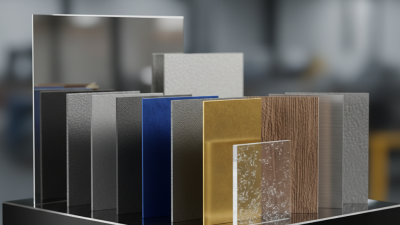
Many industries, including construction and automotive, prefer Aluminium Surface due to its versatility. It can be easily shaped and finished, which enhances its appeal. Additionally, the aesthetic appeal of Aluminium Surface contributes to its increasing use in design. Buyers appreciate its sleek look, which complements modern architecture and products.
However, not all Aluminium Surfaces are created equal. Buyers must consider quality and treatment options. Some surfaces may not meet the desired standards. This awareness is essential to ensure longevity and functionality. Ultimately, choosing the right Aluminium Surface can provide substantial benefits for various projects and applications.
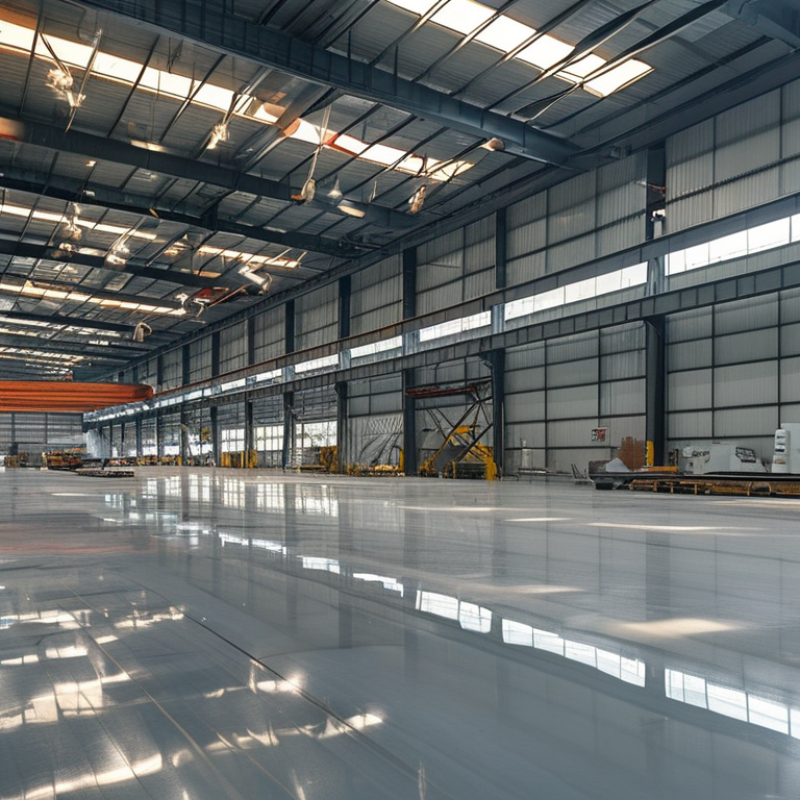
Understanding Aluminium Surface: Definition and Characteristics
Aluminium surfaces are crucial in various industries, known for their unique characteristics. They are lightweight, durable, and resistant to corrosion. According to a recent report by the Global Aluminium Association, approximately 60% of aluminium production is used in the construction and transportation sectors. This highlights the profound impact of aluminium on these industries.
The characteristics of aluminium surfaces include excellent malleability and conductivity. These properties make it easy to shape and form products. Moreover, aluminium’s reflective quality enhances energy efficiency in buildings. However, challenges exist. The surface can be prone to scratches during manufacturing. This aspect affects both aesthetics and performance over time.
In practical applications, aluminium surfaces can be anodized to improve wear resistance. Anodization increases the thickness of the natural oxide layer. Studies show that anodized aluminium can last significantly longer in harsh environments. Yet, not all applications benefit equally from anodization. Careful consideration of the intended use is necessary to avoid potential shortcomings.
The Process of Aluminium Surface Treatment: Methods and Techniques
Aluminium surface treatment is crucial for enhancing durability. Various methods are employed to improve its performance and aesthetics. Common techniques include anodizing, powder coating, and chemical treatments. Each method offers distinct benefits, catering to specific needs.
Anodizing involves creating an oxide layer on the aluminium surface. This layer provides exceptional corrosion resistance. It also enhances the surface hardness, which is vital for high-traffic areas. Powder coating, on the other hand, adds a colored finish while ensuring a durable barrier against environmental factors. The application process can lead to some imperfections, which are sometimes overlooked.
Chemical treatments, such as passivation, prepare the surface for better bonding with paints and adhesives. They remove impurities but may vary in effectiveness. While technology continues to advance, not all methods guarantee perfect finishes. These imperfections may raise questions about quality assurance, but they also present opportunities for improvement in future processes. Understanding the strengths and challenges of these techniques is essential for buyers.
Benefits of Aluminium Surface Treatment
Key Benefits of Aluminium Surfaces for Various Industries
Aluminium surfaces offer numerous advantages across various industries, making them a preferred choice for many applications. According to a 2022 market research report, the global aluminium market is projected to reach USD 180 billion by 2026, driven by the material's unique properties. These surfaces are lightweight and resistant to corrosion, which is essential for automotive and aerospace sectors. The aerospace industry, for instance, benefits from aluminium’s strength-to-weight ratio, ensuring fuel efficiency and safety for aircraft.
Another critical benefit of aluminium surfaces is their thermal conductivity. The construction industry leverages this characteristic for energy-efficient building designs. A report from the International Energy Agency reveals that energy savings in buildings can exceed 30% through proper insulation materials, including aluminium. Furthermore, its recyclability enhances sustainability. Reports indicate that recycling aluminium saves up to 95% of energy compared to producing new aluminium from ore, which matters in today’s eco-conscious market.
Despite these advantages, challenges remain. Not all aluminium products are of the same quality; variations in production can lead to reliability issues. Additionally, while the material is versatile, some industries may struggle to adapt their processes to incorporate it. Understanding these nuances can help professionals make better decisions regarding aluminium surfaces for their specific needs.
What is Aluminium Surface and its Benefits for Buyers? - Key Benefits of Aluminium Surfaces for Various Industries
| Industry |
Benefits of Aluminium Surfaces |
Applications |
| Automotive |
Lightweight, corrosion-resistant, and recyclable |
Body panels, wheels, and engine components |
| Aerospace |
High strength-to-weight ratio and durability |
Aircraft frames, fuselages, and components |
| Construction |
Weather-resistant and low maintenance |
Doors, windows, and facades |
| Electronics |
Excellent heat dissipation and conductivity |
Casing, heat sinks, and components |
| Packaging |
Lightweight, recyclable, and barrier properties |
Foil, containers, and wraps |
Applications of Aluminium Surfaces in Everyday Products
Aluminium surfaces are widely used in various everyday products, enhancing both functionality and aesthetic appeal. These surfaces are lightweight yet durable, making them ideal for applications in automotive, construction, and consumer electronics. According to a report by the Aluminium Association, the demand for aluminium is expected to grow by 4% annually, especially due to its versatility.
In the automotive industry, aluminium surfaces improve fuel efficiency by reducing vehicle weight. Cars made with aluminium can achieve up to 30% weight reduction compared to traditional materials. This change not only enhances performance but also meets stricter environmental regulations. Additionally, aluminium surfaces possess corrosion resistance, which is crucial for longevity and maintenance.
Tip: When selecting aluminium for products, consider its surface finish. Different finishes can impact durability and appearance.
Aluminium is also prevalent in packaging. The recyclable nature of aluminium makes it an eco-friendly choice. The World Economic Forum states that recycling aluminium saves 95% of the energy needed to produce new aluminium. This energy efficiency aligns with growing consumer demand for sustainable products. However, not all aluminium products are equally recyclable, which requires careful evaluation.
Tip: Check for recycling labels to ensure proper disposal.
Everyday items like smartphones and kitchen appliances also benefit from aluminium. These surfaces provide a sleek look while enhancing heat dissipation, leading to better performance. Despite these advantages, manufacturers must address potential environmental impacts associated with aluminium extraction. Rethinking production processes can pave the way for more sustainable practices.
Comparative Analysis: Aluminium Surfaces vs Other Materials
Aluminium surfaces have gained traction in various industries due to their distinctive benefits. When compared to materials like stainless steel and plastic, aluminium stands out for its lightweight and corrosion-resistant properties. According to industry reports, aluminium is roughly one-third the weight of steel while maintaining comparable strength. This attribute makes it ideal for construction and automotive applications.
In a comparative analysis, aluminium surfaces outperform plastics in thermal conductivity and recyclability. A study from the Aluminium Association indicates that aluminium is 100% recyclable without losing quality. Plastics, on the other hand, can degrade after multiple recycling processes, leading to waste. Additionally, aluminium offers a more aesthetically pleasing finish, which is a critical factor in design-sensitive sectors.
**Tips:** When choosing materials, consider both short-term and long-term benefits. Think about whether the initial cost is worth the durability of the product. Evaluate how each material fits into your environmental goals, as aluminium is often the greener choice. Also, remember to look into suppliers who prioritize responsible sourcing and production methods.