Top Aluminium Heat Dissipation Solutions for Global Buyers?
In today's fast-paced technological landscape, efficient thermal management is crucial. Aluminium heat dissipation solutions play a vital role across various industries, from electronics to automotive. According to recent industry reports, the global aluminium heat sink market is projected to grow significantly, reaching USD 5.9 billion by 2025.
Aluminium’s lightweight and excellent thermal conductivity make it a preferred material. For instance, devices using aluminium heat dissipation technology can enhance performance and longevity. However, it's essential to consider the design and manufacturing processes that can impact effectiveness. Some products may face challenges in achieving optimal thermal efficiency due to poor engineering choices.
As demand for better cooling solutions continues, many companies are exploring innovative approaches. This includes hybrid models that combine aluminium with advanced composites. Nevertheless, it’s crucial to reflect on the balance between cost and performance. Buyers need reliable data to make informed selections, ensuring their aluminium heat dissipation systems are both effective and sustainable.
Innovative Aluminium Heat Dissipation Technologies for 2023
In the quest for efficient thermal management, innovative aluminium heat dissipation technologies have gained significant traction in 2023. A recent market report by the Global Aluminium Research Association reveals that the demand for aluminium heat sinks will grow by 7% annually. This rise is driven by increasing applications in consumer electronics and automotive sectors. Devices generate more heat than ever. Ensuring optimal heat management is crucial for performance.
Aluminium offers excellent thermal conductivity, lightweight properties, and corrosion resistance. These characteristics make it a prime candidate for various cooling solutions, including heat exchangers and thermal interface materials. A study published in the Journal of Thermal Science shows that using aluminium in heat dissipation can improve efficacy by up to 30%. However, challenges remain. Manufacturers often face limitations in scalability and cost efficiency for high-performance applications.
While innovation is vital, not all techniques are equally effective across the board. Some systems experience significant thermal resistance. This affects overall performance. Industry experts emphasize the need for better design and material choices. Incremental improvements are necessary. An ongoing review of existing technologies can lead to breakthroughs in performance and sustainability. Finding the right balance between cost and efficiency continues to be an area for exploration in the field of aluminium heat dissipation.
Comparative Analysis of Aluminium vs. Other Materials in Heat Management
Aluminium is widely recognized for its effective heat dissipation properties. Unlike other materials, it has a high thermal conductivity, which allows it to transfer heat quickly. This quality makes aluminium a top choice in various applications, such as electronics and automotive sectors. Its lightweight nature further enhances its appeal, easing transportation and installation.
When compared to materials like copper or plastics, aluminium holds its ground. Copper may offer better conductivity, but it comes with a higher cost and weight. Plastics, on the other hand, are lightweight but lack thermal efficiency. Observing these contrasts highlights aluminium's versatility in heat management without compromising performance.
However, it's important to reflect on aluminium's limitations too. Corrosion resistance is a concern; it may require coatings for prolonged durability. Additionally, while it’s relatively affordable, fluctuations in raw material prices can impact overall costs. These factors demand careful consideration from global buyers looking for reliable heat dissipation solutions.
Top Aluminium Heat Dissipation Solutions: Comparative Analysis
Key Factors Affecting the Efficiency of Aluminium Heat Sinks
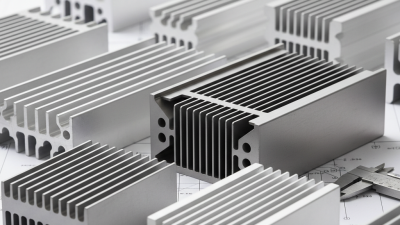
Aluminium heat sinks are vital for thermal management in various industries. Efficient heat dissipation is influenced by multiple factors. Design and surface area play crucial roles. A larger surface area enhances heat transfer by promoting better airflow. According to a recent report, optimally designed heat sinks can improve thermal performance by up to 25%.
Material purity is another key factor. High-quality aluminium with minimal impurities can significantly enhance thermal conductivity. Studies show that high-grade aluminium has a thermal conductivity of around 205 W/mK, allowing for efficient heat dispersal. The thickness of the heat sink also affects performance. Thicker sections may hold more heat but can impede rapid cooling.
Manufacturing processes, such as extrusion and machining, also impact efficiency. Proper techniques can reduce thermal resistance, while poorly executed methods may lead to heat retention. Ensuring uniformity in design and materials is essential. Adequate testing standards help verify performance. Many designs still require optimization, considering potential flaws in real-world applications.
Global Market Trends for Aluminium Heat Dissipation Solutions
The global aluminium heat dissipation market is evolving rapidly. Buyers are looking for efficient and cost-effective solutions.
Trends indicate a growing demand for lightweight materials that maximize thermal management. Aluminium fits this need perfectly.
Its excellent thermal conductivity makes it a preferred choice across various industries.
Emerging technologies in product design are shaping this landscape. Manufacturers are exploring innovative techniques.
Enhanced cooling performance is becoming crucial for electronics and automotive sectors. However, some challenges persist.
The production process can be complex and costly. Companies must balance quality with affordability.
Sustainability is another key factor. The shift toward eco-friendly materials is influencing buyer preferences.
Recyclability of aluminium adds to its appeal. Yet, the market must address environmental impacts of production.
Continuous improvement is needed. With diligent research and development, the future of aluminium heat dissipation looks promising.
Sustainability and Environmental Impact of Aluminium Heat Dissipators
Aluminium heat dissipators have gained popularity due to their effective thermal management properties. However, their environmental impact warrants close consideration. While aluminium is recyclable, the energy required for extraction and processing is substantial. This raises concerns about carbon emissions and resource depletion. Therefore, it is crucial for industry players to address these issues proactively.
Sustainable practices in sourcing and manufacturing are essential. Utilizing recycled aluminium reduces reliance on virgin materials. This approach minimizes waste and decreases energy usage. Additionally, integrating energy-efficient processes in production can further lessen the environmental footprint. Companies must engage in responsible resource management to truly benefit from aluminium's properties.
However, challenges persist. Some manufacturers prioritize cost over sustainability, leading to subpar practices. Consumers are increasingly aware of these issues. They demand transparency in the production process. They want assurance that their heat dissipators reduce environmental harm. Thus, the industry must strive for better practices and open communication to regain consumer trust.
Top Aluminium Heat Dissipation Solutions for Global Buyers - Sustainability and Environmental Impact of Aluminium Heat Dissipators
| Solution Type |
Heat Dissipation Efficiency (%) |
Material Thickness (mm) |
Recyclability (%) |
Lifespan (Years) |
| Aluminium Fin Heatsinks |
85 |
2.0 |
95 |
20 |
| Extruded Aluminium Profiles |
90 |
1.5 |
90 |
25 |
| Aluminium Plate Heat Exchangers |
80 |
3.0 |
97 |
15 |
| Aluminium Heat Pipes |
95 |
1.0 |
98 |
30 |