2026 Top Aluminium Cladding Trends for Global Buyers?
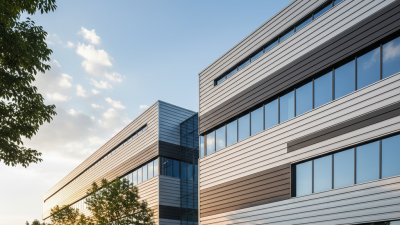
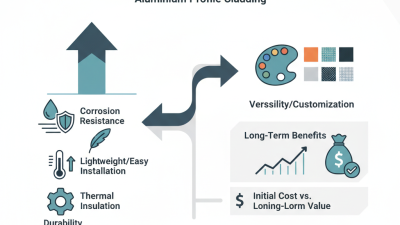
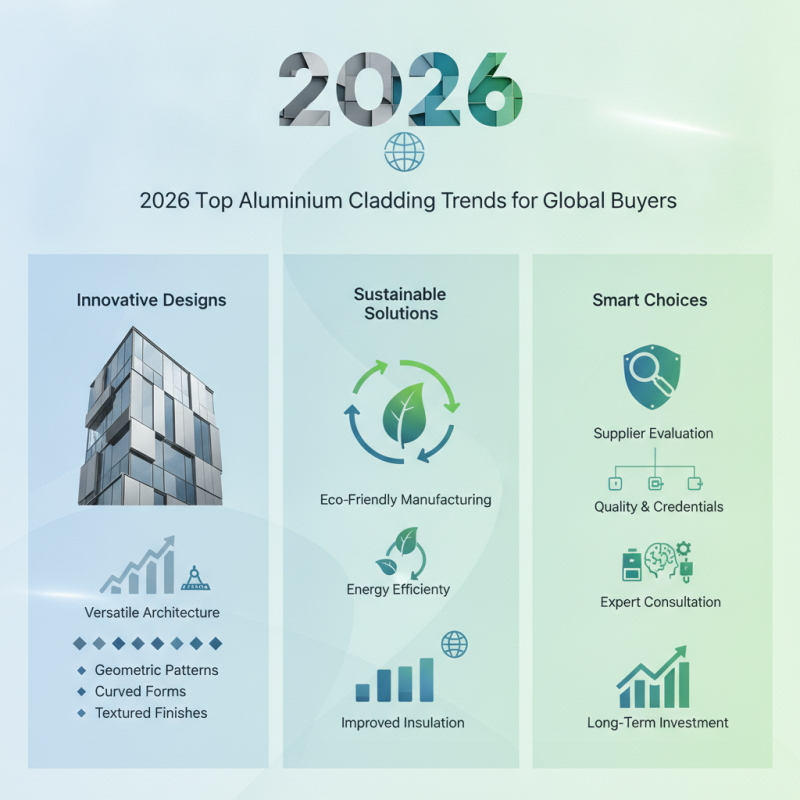
Aluminium cladding has emerged as a significant trend in modern construction. It offers both aesthetic appeal and practical benefits. In 2026, we anticipate a variety of innovative designs that cater to global buyers. The versatility of aluminium cladding allows architects and builders to create unique facades. This material is lightweight, durable, and resistant to corrosion.
Buyers are increasingly drawn to sustainable options. Many manufacturers are now focusing on eco-friendly aluminium cladding solutions. These options not only reduce the environmental footprint but also enhance energy efficiency. However, the market is also crowded with choices, which can overwhelm potential buyers. It is essential to evaluate the quality and credentials of suppliers.
Navigating this complex landscape requires expertise. Buyers should seek advice from industry professionals. Investing in high-quality aluminium cladding is crucial for long-term satisfaction. As trends evolve, staying informed will be key to making the right decisions. This year, let’s explore the top aluminium cladding trends shaping the market.
Emerging Trends in Aluminium Cladding for 2026
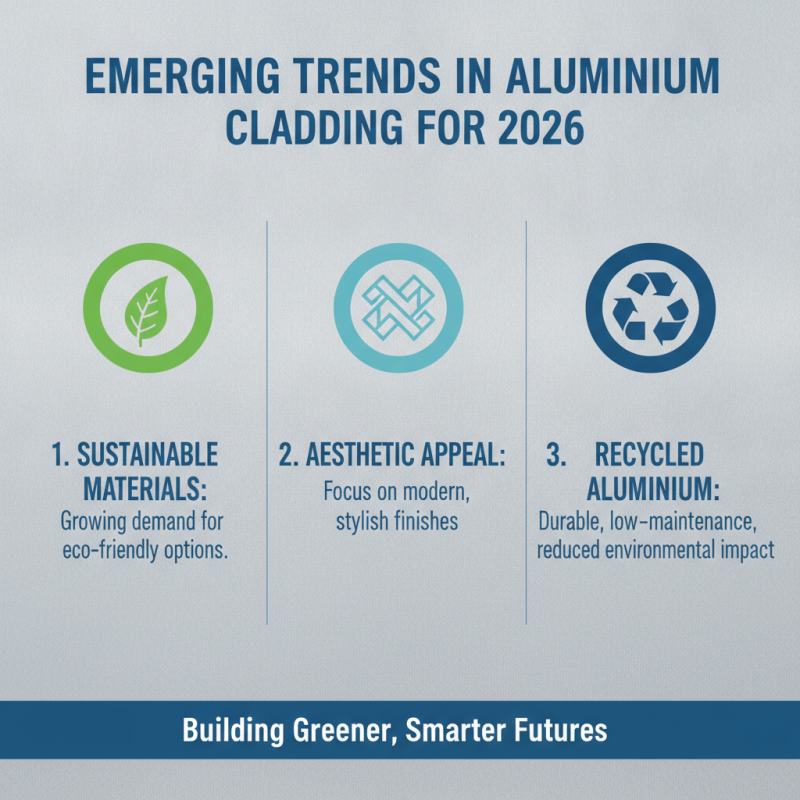
As we approach 2026, the aluminium cladding industry is evolving. Buyers are increasingly drawn to sustainable and aesthetically pleasing materials. One growing trend is the use of recycled aluminium, which reduces environmental impact. This material not only helps in building greener structures but also offers durability and low maintenance.
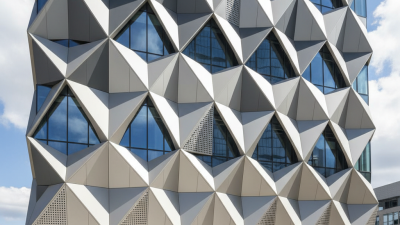
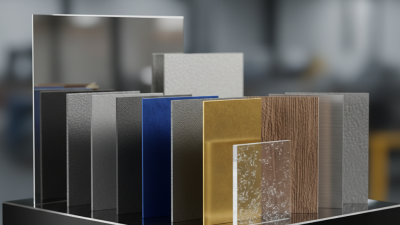
Texture plays a crucial role in design trends. Smooth finishes are still popular, but textured surfaces are making a comeback. These finishes add depth and visual interest. Consider integrating innovative patterns to stand out. Products are also being designed with advanced coatings, enhancing durability and resistance to harsh weather conditions.
Tips: Always choose materials that align with local regulations. This ensures safety and compliance. Collaborate with experienced designers to explore creative solutions. This collaboration can spark ideas that lead to unique designs. Experimenting is key. Don’t be afraid to push boundaries and explore unconventional options in colour and texture.
Sustainable Materials and Eco-Friendly Practices in Cladding
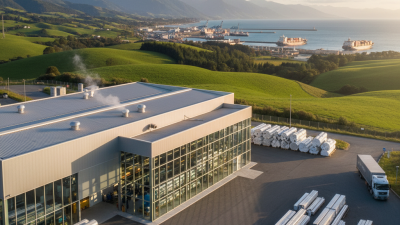
The trend towards sustainable materials in aluminium cladding is gaining momentum. Many buyers are now considering eco-friendly options. These choices often involve recycled aluminium, significantly reducing environmental impact. Local sourcing of materials also supports nearby economies.
Moreover, innovative practices are shaping the industry. For instance, some manufacturers are adopting energy-efficient production processes. This not only lowers emissions but also reduces operational costs. The shift to non-toxic coatings can enhance safety and sustainability as well.
However, the journey toward sustainability isn’t straightforward. Some manufacturers struggle with the cost of eco-friendly materials. Balancing quality and sustainability can be challenging. Continuous feedback from the market is essential to refine these practices. Engaging with stakeholders throughout the supply chain may lead to more effective solutions.
2026 Top Aluminium Cladding Trends for Global Buyers
Innovative Designs and Aesthetics in Aluminium Cladding
Aluminium cladding is poised for significant innovation in 2026. As architects and builders seek sustainable and aesthetically appealing materials, aluminium has gained momentum. According to an industry report, the global aluminium cladding market is projected to reach USD 45 billion by 2026, growing at a CAGR of 5.4%. This growth reflects increased demand for versatile designs and energy-efficient building solutions.
Innovative designs in aluminium cladding focus on striking visual impacts. Textured surfaces, bold colors, and custom patterns enhance aesthetics. Many projects now incorporate eco-friendly finishes, aligning with sustainability goals. As architects experiment with configurations, they expand the potential for unique building facades. The interplay of modern lines with natural elements creates spaces that resonate. However, the industry also faces challenges in balancing innovation with regulatory compliance.
**Tip**: When selecting aluminium cladding, consider its thermal performance ratings. Higher ratings contribute to energy efficiency and comfort levels in buildings.
Despite these advancements, imperfections in installation processes remain a concern. Poor application can lead to vulnerabilities, jeopardizing both aesthetics and longevity. Quality control is paramount in this evolving landscape.
**Tip**: Regular inspections during the installation phase can identify potential flaws early, ensuring a seamless finish and optimal performance.
2026 Top Aluminium Cladding Trends for Global Buyers
| Trend |
Description |
Benefits |
Sustainability Aspect |
| Textured Finishes |
Aluminium cladding featuring various surface textures to enhance visual appeal. |
Improved aesthetic appeal and tactile experience. |
Use of pre-consumer recycled aluminium in production. |
| Bold Colors |
Incorporation of vibrant and bold colors in aluminium cladding systems. |
Distinctive designs that stand out in urban environments. |
Non-toxic, water-based paints with reduced environmental impact. |
| Modular Systems |
Prefabricated, modular cladding panels for faster installation. |
Cost-effective and reduced labor time during installation. |
Minimization of waste through precise manufacturing processes. |
| Composite Materials |
Integration of aluminium with other materials for improved performance. |
Enhanced durability and thermal insulation properties. |
Recyclability of composite materials contributing to building lifecycle sustainability. |
| Smart Cladding |
Incorporation of technology for energy efficiency and automation. |
Increased operational efficiency and energy savings. |
Use of renewable energy sources in operational technology. |
Technological Advancements Impacting Aluminium Cladding Solutions
The aluminium cladding industry is experiencing significant technological advancements. These innovations are crucial for enhancing sustainability and performance. According to a report by Research and Markets, the global aluminium cladding market is projected to grow by 5.6% annually. This uptick is fueled by increasing demand for energy-efficient buildings.
New technologies, such as advanced insulation and reflective coatings, improve thermal performance. These enhancements are essential for reducing energy consumption. Moreover, innovations in manufacturing processes can lower costs and enhance durability. For instance, the integration of automation in production increases precision and reduces waste.
Despite these advancements, challenges remain. For example, developing sustainable aluminium sources is critical. The carbon footprint associated with traditional aluminium production is concerning. As the industry evolves, addressing these issues will be vital. Ensuring that technological progress aligns with environmental goals is a complex task. The balance between innovation and responsibility will define future trends in aluminium cladding solutions.
Global Market Influences on Aluminium Cladding Trends
In recent years, the global market has significantly influenced aluminium cladding trends. Economic factors, sustainability efforts, and architectural advancements play crucial roles. Buyers are increasingly seeking materials that are not only duraable but also environmentally friendly. This shift stems from a growing awareness of climate change and the need for energy-efficient buildings.
Sustainability is forcing manufacturers to rethink their production processes. Many are exploring recycled materials and innovative coatings. As a result, aluminium cladding is becoming increasingly lightweight yet stronger. This trend aligns with the global push for greener construction. However, the challenge remains in balancing cost with quality. Many buyers face difficulties in sourcing affordable options that meet sustainability standards.
Architectural trends also dictate aluminium cladding designs. Raw, industrial aesthetics are gaining popularity. Yet, some buyers are uncertain about how to implement these styles in their projects. They need guidance on integrating modern designs while ensuring structural integrity. This complexity can lead to delays and increased project costs if not addressed early on.