Why Choose Aluminium Profile Wall Cladding for Your Construction Needs?
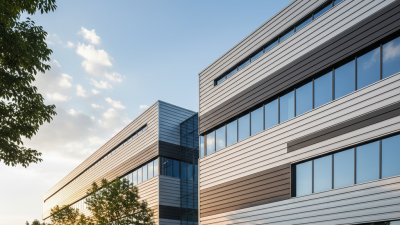
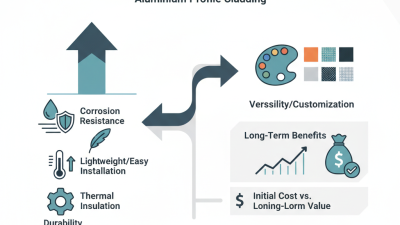
When considering construction materials, aluminium profile wall cladding stands out for various reasons. This versatile option offers durability and aesthetic appeal. Builders and architects often prefer aluminium profiles for their lightweight nature. They are easy to install, saving both time and labor costs during construction.
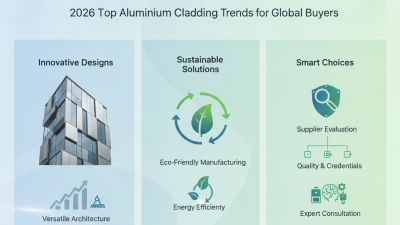
Moreover, aluminium profile wall cladding is highly resistant to weathering and corrosion. This means that structures remain intact for longer periods, reducing maintenance needs. Many people worry about environmental impact, yet, aluminium is recyclable and energy-efficient. This aligns with sustainable building practices.
Adopting aluminium profile wall cladding may bring a modern touch to any project. However, it can be pricey upfront. Weighing the costs versus benefits is essential. There might be challenges in integrating these profiles with traditional materials. Yet, the long-term advantages often justify the initial investment. When executed well, the result is a stunning and resilient exterior.
Benefits of Aluminium Profile Wall Cladding in Modern Construction
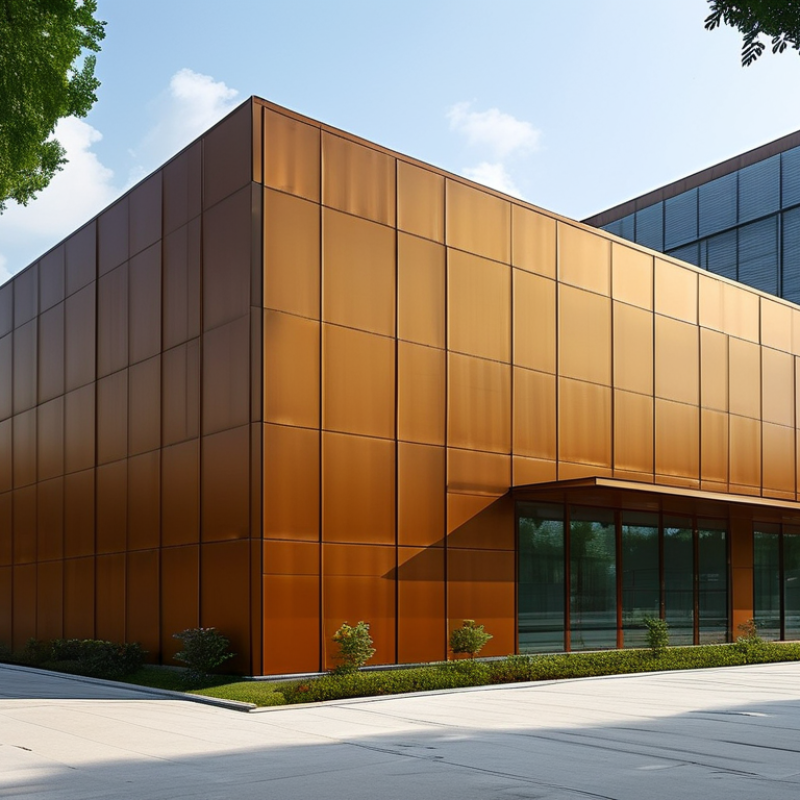
Aluminium profile wall cladding offers numerous advantages in today's construction landscape. Its lightweight nature simplifies installation, reducing labor costs and time. The material is resistant to corrosion, ensuring longevity and minimal maintenance. This durability is vital, especially in changing climates.
Additionally, aluminium cladding provides excellent insulation. It helps regulate indoor temperatures, leading to energy savings. The aesthetic versatility makes it adaptable to various architectural styles. However, not all designs exploit its potential. Some choices can lead to underutilization of its properties.
Moreover, aluminium is recyclable, contributing to a sustainable construction approach. This aspect appeals to eco-conscious builders. Yet, sustainability hinges on proper recycling practices, which aren't always followed. It raises questions about the actual environmental impact of some projects.
Durability and Maintenance Advantages of Aluminium Cladding
Aluminium profile wall cladding stands out for its durability. This material can withstand harsh weather conditions. Unlike wood, it resists rot and corrosion. This longevity makes it a smart choice for any building.
Maintenance of aluminium cladding is easy. A simple wash with soap and water is often enough to keep it looking new. Unlike brick or stone, there are no gaps to fill or surfaces to repaint. Some concerns exist about scratches or dents, but these can often be buffed out. The minimal upkeep allows property owners to focus on other important tasks.
In terms of environmental impact, aluminium is recyclable. This feature appeals to those who prioritize sustainability. However, the recycling process consumes energy and resources. Finding balance is essential here. Overall, the advantages of durability and low maintenance make aluminium cladding a worthwhile investment.
Aesthetic Appeal: Customization Options for Aluminium Profiles
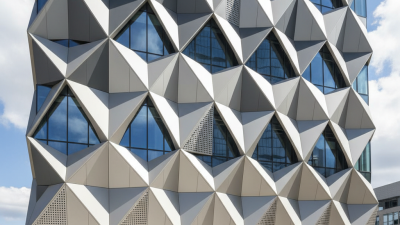
Aluminium profile wall cladding is gaining popularity in modern construction. One of its key benefits is the vast range of customization options available. From color choices to unique textures, aluminium profiles can be tailored to match any architectural style. This allows builders and designers to achieve specific aesthetic goals, enhancing the visual appeal of their projects.
Consider integrating custom patterns or finishes. Adding a brushed or polished look can elevate a building’s exterior. Additionally, the use of bold, vibrant colors can make a property stand out. However, keep in mind that trends change. What may seem appealing today could become outdated tomorrow. It’s essential to strike a balance between personal taste and timeless design.
Tips for customization include researching current design trends. Pay special attention to local architecture for inspiration. Engage with skilled fabricators who can guide you through the available options. Sometimes, experimenting with less conventional designs leads to surprising outcomes. Always consider the long-term implications of your choices.
Why Choose Aluminium Profile Wall Cladding for Your Construction Needs?
Energy Efficiency and Insulation Properties of Aluminium Cladding
When considering construction materials, aluminium profile wall cladding stands out for its energy efficiency and insulation properties. One of the most significant benefits of aluminium cladding is its ability to reflect heat. According to the Aluminium Association, reflective insulation can reduce cooling costs by up to 30%. This is particularly important in regions with high temperatures, where energy efficiency reduces not only costs but also environmental impact.
Aluminium's thermal resistance is notable. It provides a barrier against heat loss in winter and heat gain in summer. Studies show that buildings with proper aluminium cladding can achieve a reduction of over 40% in heating and cooling costs. The improved insulation keeps interiors comfortable, translating to significant savings over time. However, installation quality is crucial; poor installation can lead to thermal bridging, negating potential benefits.
The surface finish of aluminium can enhance its insulation capabilities. Anodized or powder-coated finishes further boost energy efficiency. However, not all finishes perform equally. Selecting the right finish is essential, as it can influence durability and insulation effectiveness over time. While aluminium cladding offers multiple advantages, careful consideration should be given to material choices and methods to maximize its benefits. Balancing these factors is vital for optimal performance.
Comparative Analysis: Aluminium vs. Other Cladding Materials
When considering cladding materials, aluminium profiles stand out for multiple reasons. They offer a lightweight yet durable solution compared to traditional options like wood or brick. When properly maintained, aluminium cladding can outlast these materials. Wood can warp or rot over time. Brick may chip and require significant repairs. In contrast, aluminium withstands rain, wind, and UV exposure with minimal degradation.
Cost is another major factor. While aluminium may seem pricier initially, its longevity and lower maintenance costs often balance the investment. Other materials can incur ongoing costs. Think about painting or sealing wood frequently. Alternatively, the adaptability of aluminium profiles allows for unique architectural designs without compromising strength. Yet, it's essential to consider thermal performance. Some might find aluminium can get hot under direct sunlight. This factor could lead to discomfort and require additional insulation.
Overall, understanding the nuances between aluminium and other options helps in making an informed choice. Each material has its pros and cons. Discuss with professionals to determine which fits your specific project requirements best. Scrutinizing these elements ensures a durable and aesthetically pleasing construction.